
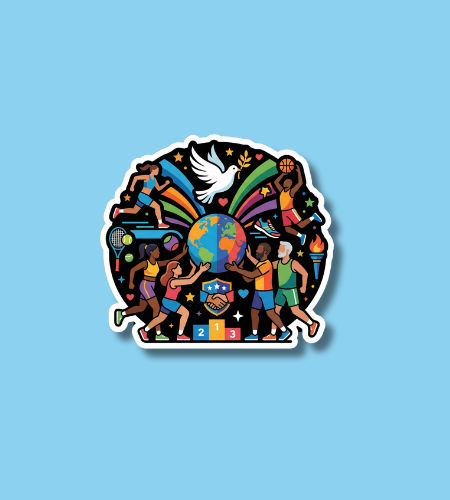
The International Day of Sport for Development and Peace is observed on April 6. This United Nations observance recognizes the power of sport as a universal language that can drive social change, foster community resilience, and promote global harmony. The date specifically honors the opening of the first modern Olympic Games in Athens in 1896, linking the ancient heritage of the Olympic Truce with modern efforts to achieve the Sustainable Development Goals.
Read also about World Table Tennis Day
Table of Contents
History of International Day of Sport for Development and Peace
The foundation for this day was laid in August 2013, when the United Nations General Assembly adopted Resolution 67/296. This decision was the result of a long-standing partnership between the UN and the International Olympic Committee (IOC). For decades, both organizations worked to demonstrate that sports are not just about elite competition but are essential tools for education, health, and human rights. By formalizing the day, the UN acknowledged that sport’s vast reach and popularity make it a unique platform for reaching marginalized populations and promoting inclusive growth. 1
Since its first official celebration in 2014, the holiday has become a global focal point for non-governmental organizations, sports federations, and governments. It serves as an annual reminder of the “Olympic Truce” concept, which historically called for a cessation of conflict during the Games. In the modern era, the day has evolved to address contemporary challenges, including climate action, gender equality, and the social integration of refugees. Each year, the UN selects a theme—such as “Sport: Building Bridges, Breaking Barriers” for 2026—to guide international efforts toward using physical activity as a catalyst for peace.
Why is International Day of Sport for Development and Peace important?
This day is important because it highlights sport as a cost-effective and flexible tool for conflict prevention and peacebuilding. In areas divided by cultural, religious, or ethnic tensions, sports programs provide a neutral ground where individuals can interact, build trust, and develop mutual respect. The inherent values of sport—such as teamwork, fair play, and discipline—are directly transferable to civil society, helping to cultivate a culture of tolerance and cooperation among youth and community leaders.
Furthermore, the holiday brings attention to the role of physical activity in advancing the 2030 Agenda for Sustainable Development. Participation in sports improves public health outcomes, reduces the burden of non-communicable diseases, and empowers women and girls by challenging traditional gender roles. It provides a means for social inclusion, especially for people with disabilities and those living in poverty. By recognizing this day, the global community reaffirms that the “right to play” is a fundamental human right that contributes to a more equitable and prosperous world.
- It honors the opening of the first modern Olympic Games held in 1896.
- The day promotes sport as a tool to achieve the UN Sustainable Development Goals.
- It recognizes the ability of sports to bridge cultural and linguistic divides.
- The holiday emphasizes the importance of physical activity for mental and physical health.
- It highlights the role of athletes and sports organizations as ambassadors for peace.
How to Celebrate International Day of Sport for Development and Peace
The most common way to celebrate is by organizing or participating in local community sports events that emphasize participation over winning. Schools, local clubs, and community centers often host “Peace Matches” or “Inclusion Games” where teams are mixed to encourage collaboration between different groups. Many people also participate in the “#WhiteCard” campaign, a digital movement where individuals post photos of themselves holding a white card as a symbol of the positive power of sport, contrasting with the red or yellow cards used to signal a foul.
Observing the day also involves educational initiatives that link physical activity to social causes. You can attend webinars or workshops that discuss how sports can be used to combat climate change or support refugee integration. For those who enjoy the outdoors, a simple act like organizing a neighborhood walk or a charity run can raise awareness and funds for development programs. Sharing stories of how sports have personally impacted your life or your community on social media helps spread the message that every person has a role to play in building a peaceful future through play.
- Organize a mixed-team sports tournament to promote community inclusion.
- Share a photo with a white card on social media to symbolise peace through sport.
- Donate used sports equipment to a local youth program or community center.
- Lead a discussion or presentation on the role of the Olympic Truce in history.
- Participate in a charity walk or run to support global development goals.
International Day of Sport for Development and Peace Dates Table
| Year | Date | Day |
|---|---|---|
| 2026 | April 6 | Monday |
| 2027 | April 6 | Tuesday |
| 2028 | April 6 | Thursday |
| 2029 | April 6 | Friday |
| 2030 | April 6 | Saturday |
Subscribe to our newsletter and never miss a holiday again!