
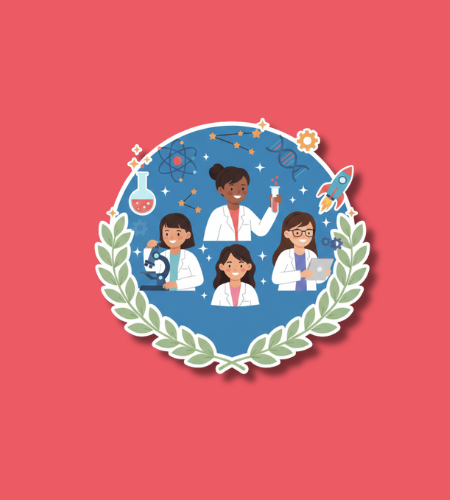
International Day of Women and Girls in Science is observed annually on February 11. This global event highlights the critical role women play in the scientific and technological communities while advocating for full and equal access to participation in these fields. It serves as a day to recognize past achievements, address current gender disparities, and encourage young girls to pursue education and careers in science, technology, engineering, and mathematics (STEM).
Table of Contents
History of International Day of Women and Girls in Science
The day was officially established by the United Nations General Assembly through a resolution adopted on December 22, 2015. This initiative was driven by the Royal Academy of Science International Trust and supported by UNESCO and UN Women. The goal was to create a specific platform on the international calendar that would focus on the persistent gender gap in science. While women had been making strides in higher education for decades, statistics showed they remained significantly underrepresented in research positions and high-level scientific decision-making roles. 1
The first official observance took place in 2016, marking the beginning of a coordinated global effort to dismantle barriers such as gender stereotypes and lack of mentorship. Since its inception, the day has evolved to include participants from over 100 countries and is the only international day on the UN calendar addressed by heads of state and government leaders specifically regarding women in science. It has moved from simple reflection to active policy discussion, focusing on how emerging technologies like artificial intelligence can be used to foster a more inclusive scientific ecosystem for future generations.
Why is International Day of Women and Girls in Science important?
This day is essential because it addresses a significant global imbalance where women represent only about one-third of the world’s scientific researchers. By bringing this disparity to the forefront, the observance encourages institutions to implement more equitable hiring practices and create supportive workplace environments. When women are excluded from scientific research, the world loses out on diverse perspectives that are necessary for solving complex global challenges like climate change, health crises, and sustainable development.
Furthermore, the day provides young girls with visible role models, which is a key factor in their decision to pursue STEM subjects. Many girls lose interest in science and math during their secondary education due to social pressures and a lack of female representation in textbooks and media. Highlighting the work of successful women scientists helps break the false narrative that these fields are more suited for men. This empowerment not only benefits the individuals but also strengthens the global economy by tapping into the full potential of the human workforce.
- Greater diversity in research teams leads to more innovative and inclusive solutions.
- Highlighting female scientists provides young girls with the confidence to study STEM.
- The day promotes equal pay and career advancement opportunities for women in tech.
- Addressing the gender gap ensures that new technologies like AI are free from bias.
- Public awareness helps remove the social stigma associated with women in technical roles.
How to Celebrate International Day of Women and Girls in Science
A practical way to celebrate is by engaging with educational content that features the stories and discoveries of women throughout history. Reading biographies of pioneers like Marie Curie or learning about modern leaders in fields like cybersecurity and biotechnology helps broaden one’s understanding of scientific history. Schools and workplaces can participate by hosting guest speakers or virtual panels where women in science share their career journeys and offer advice to students. These interactions make the prospect of a scientific career feel attainable and exciting for young people.
Another meaningful way to observe the day is by supporting organizations that provide scholarships or mentorship for girls in STEM. Sharing factual information and infographics on social media using the official hashtags helps amplify the message to a wider audience. If you are a professional in a scientific field, consider volunteering as a mentor or simply taking a moment to acknowledge the contributions of your female colleagues. By fostering a culture of appreciation and active support, individuals contribute to a long-term shift toward a more balanced and fair scientific community.
- Learn about a female scientist who made a major discovery in your favorite field.
- Share an article or video about women in STEM on your social media profiles.
- Donate to a non-profit that provides science kits to girls in underserved areas.
- Attend a webinar or public lecture hosted by a woman researcher.
- Encourage a young girl in your life to explore a science-related hobby or project.
International Day of Women and Girls in Science Dates Table
| Year | Date | Day |
|---|---|---|
| 2026 | February 11 | Wednesday |
| 2027 | February 11 | Thursday |
| 2028 | February 11 | Friday |
| 2029 | February 11 | Sunday |
| 2030 | February 11 | Monday |
Subscribe to our newsletter and never miss a holiday again!