
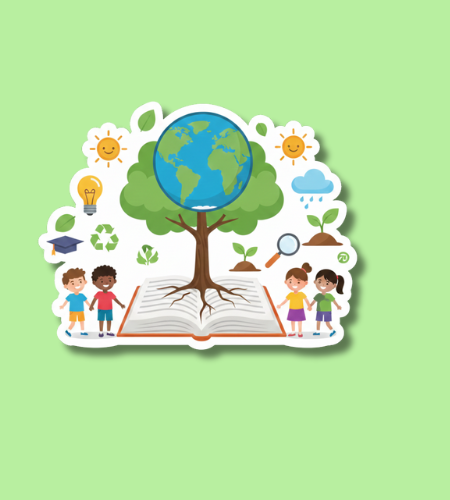
International Environmental Education Day is observed annually on January 26. This day focuses on the critical need for global environmental awareness and the integration of sustainability into educational systems worldwide. By emphasizing the interdependence between humans and the natural world, the observance encourages individuals to identify local and global ecological issues and develop the skills necessary to address them.
Table of Contents
History of International Environmental Education Day
The origins of this observance trace back to the United Nations Conference on the Human Environment held in Stockholm, Sweden, in June 1972. During this landmark gathering, world leaders discussed the urgent need for common principles to guide the preservation and enhancement of the global environment. This conference laid the groundwork for the International Environmental Education Programme, which was officially established in 1975 by UNESCO and the United Nations Environment Programme (UNEP).
A pivotal moment occurred in October 1975 at the International Workshop on Environmental Education in Belgrade, Yugoslavia. Experts from more than 70 countries gathered to define the goals and principles of environmental education, culminating in the publication of the Belgrade Charter. This document established a global framework for teaching citizens about environmental protection and the impact of human activities on the planet. Since the conclusion of that workshop on January 26, the date has been used to promote a “global ethic” that prioritizes the health of the Earth in economic and social development.
Why is International Environmental Education Day important?
The primary importance of this day lies in its role as a catalyst for behavioral change through knowledge. Education provides the tools needed to understand complex scientific concepts like climate change, biodiversity loss, and the circular economy. When people understand the direct link between their daily habits and the health of the ecosystem, they are more likely to adopt sustainable practices. This transition from awareness to action is essential for mitigating the effects of environmental degradation and ensuring a stable climate for future generations.
Furthermore, the holiday promotes the inclusion of diverse perspectives, including indigenous knowledge and local community wisdom, in the global environmental dialogue. It highlights that protecting the environment is not just a scientific endeavor but a social responsibility that requires participation from all sectors of society. By fostering a sense of shared stewardship, the day helps build resilient communities capable of adapting to ecological shifts while maintaining a high quality of life.
- Enhances the ability of citizens to identify and solve local environmental problems.
- Encourages schools to integrate sustainability and climate science into their curricula.
- Supports the achievement of the United Nations Sustainable Development Goals.
- Bridges the gap between scientific research and public understanding of nature.
- Empowers youth to become innovative leaders in the field of conservation.
How to Celebrate International Environmental Education Day
Observing this day involves actively seeking out new information about the natural world and sharing that knowledge with others. Many participants attend workshops, webinars, or local seminars focused on topics like renewable energy, waste reduction, or soil regeneration. Schools and universities often host guest speakers or organize student led presentations to highlight environmental challenges within their own regions. The goal is to move beyond passive learning and engage in meaningful discussion about practical solutions.
On a community level, groups may organize field trips to local nature reserves or recycling centers to see environmental management in action. Volunteering for citizen science projects, such as bird counts or water quality testing, provides hands-on experience in data collection and ecological monitoring. Individuals can also observe the day by auditing their own environmental footprint, identifying specific changes they can make in their consumption or transportation habits. These combined efforts create a worldwide network of informed citizens dedicated to the long-term health of the planet.
- Watch a documentary about a specific ecosystem to broaden your ecological knowledge.
- Participate in a local tree planting or community garden project.
- Share an educational article or infographic about sustainability on social media.
- Identify one item in your household that can be replaced with a reusable alternative.
- Visit a local museum or nature center to learn about regional wildlife.
International Environmental Education Day Dates Table
| Year | Date | Day |
|---|---|---|
| 2026 | January 26 | Monday |
| 2027 | January 26 | Tuesday |
| 2028 | January 26 | Wednesday |
| 2029 | January 26 | Friday |
| 2030 | January 26 | Saturday |
Subscribe to our newsletter and never miss a holiday again!