
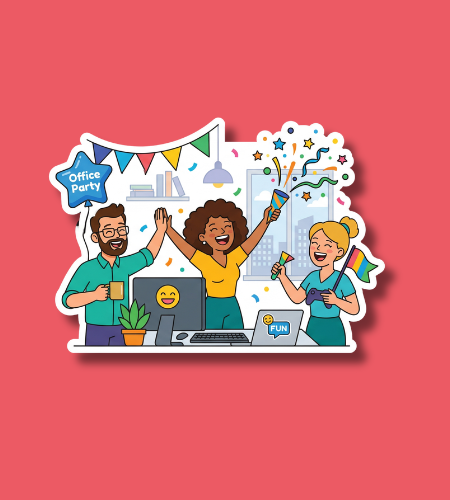
International Fun at Work Day is a global event that encourages employees and managers to integrate joy, humor, and playfulness into their professional lives on April 1. This day highlights the idea that productivity and professionalism are not at odds with a sense of fun, but are actually enhanced by a positive and engaging workplace culture. Because it coincides with April Fools’ Day, the atmosphere is often twice as lively, filled with lighthearted pranks and office-wide festivities. While many people spend their careers focused strictly on deadlines and tasks, this day serves as a necessary reminder to pause and enjoy the social bonds that make a workplace thrive. It is an invitation to break the monotony of the standard nine-to-five routine, fostering an environment where creativity can flourish through laughter and shared activities.
Read also about Poetry at Work Day
Table of Contents
History of International Fun at Work Day
The concept of dedicating a specific day to workplace enjoyment originated in 1996 through the efforts of Playfair, a consulting firm focused on employee engagement and “playful professionalism.” The founders argued that a happy workforce is inherently more effective, resilient, and creative. They sought to challenge the traditional 20th-century view that work must be purely somber and devoid of amusement. By establishing this day on the first of April, they leveraged the existing tradition of lightheartedness to make their message about corporate well-being more memorable and easier to implement across different industries.
Over the following decades, the holiday gained significant international traction as research began to support the founders’ original claims. In 2008, organizations such as Humor Positivo in Spain further popularized the event by advocating for “humor in the workplace” as a fundamental right for employees. The movement transitioned from a niche management theory into a mainstream corporate practice adopted by startups and Fortune 500 companies alike. Today, International Fun at Work Day is recognized globally as a tool for reducing professional burnout and building stronger, more cohesive teams through the simple power of a smile.
Why is International Fun at Work Day important?
This day is vital because it addresses the psychological well-being of the workforce by reducing stress and preventing burnout. When employees engage in fun activities together, it breaks down hierarchical barriers and improves communication across different departments. A playful atmosphere encourages “outside-the-box” thinking, as people feel more comfortable sharing unconventional ideas when the social stakes are lowered by humor. By prioritizing enjoyment for just one day, companies often see a long-term boost in morale that translates into higher employee retention and better overall performance.
Furthermore, the holiday provides a structured opportunity for team building that feels organic rather than forced. It shifts the focus from individual output to collective experience, helping to humanize colleagues who may usually only interact through digital screens or formal meetings. The day acts as a cultural reset, reminding everyone that they are part of a community working toward a common goal. Ultimately, acknowledging the importance of fun helps create a “toxic-free” work environment where kindness and camaraderie are as valued as technical skills and punctuality.
- It significantly reduces workplace stress and lowers the risk of employee burnout.
- Fun activities help to build trust and improve communication between coworkers.
- A positive environment is directly linked to increased levels of creative problem-solving.
- The day serves as a low-cost way for employers to show appreciation for their staff.
- It helps to attract and retain talent by showcasing a vibrant company culture.
How to Celebrate International Fun at Work Day
Celebrating involves organizing low-pressure activities that allow everyone in the office to relax and interact. Many workplaces hold “themed dress-up days,” where staff might wear superhero costumes, pajamas, or 80s-inspired outfits to lighten the mood. Others organize office-wide games like scavenger hunts, “desk chair races,” or trivia contests that spark friendly competition. The key to a successful celebration is ensuring the activities are inclusive and occur during working hours, so they feel like a genuine “bonus” rather than an extra obligation for the employees.
Beyond games, food is a universal way to bring a team together for a moment of fun. Hosting a surprise catered lunch, an ice cream social, or a “bake-off” competition can provide a central hub for social interaction. For remote teams, the day can be observed through virtual talent shows or “guess the workspace” photo challenges conducted over video calls. Some companies even use the day to support a good cause, such as a charity raffle or a “jeans day” fundraiser. No matter the scale of the event, the goal is to create a memorable break from the routine that leaves everyone feeling more connected and energized.
- Organize a “desk decoration” contest with small prizes for the most creative setups.
- Host a communal lunch or a surprise snack hour in the breakroom.
- Start meetings with a funny icebreaker or a quick, lighthearted game.
- Create a “humor wall” where employees can share safe-for-work memes or comics.
- Set up a photo booth with silly props for coworkers to take pictures together.
International Fun at Work Day Dates Table
| Year | Date | Day |
|---|---|---|
| 2026 | April 1 | Wednesday |
| 2027 | April 1 | Thursday |
| 2028 | April 1 | Saturday |
| 2029 | April 1 | Sunday |
| 2030 | April 1 | Monday |
Subscribe to our newsletter and never miss a holiday again!