


International Happy Goose Day
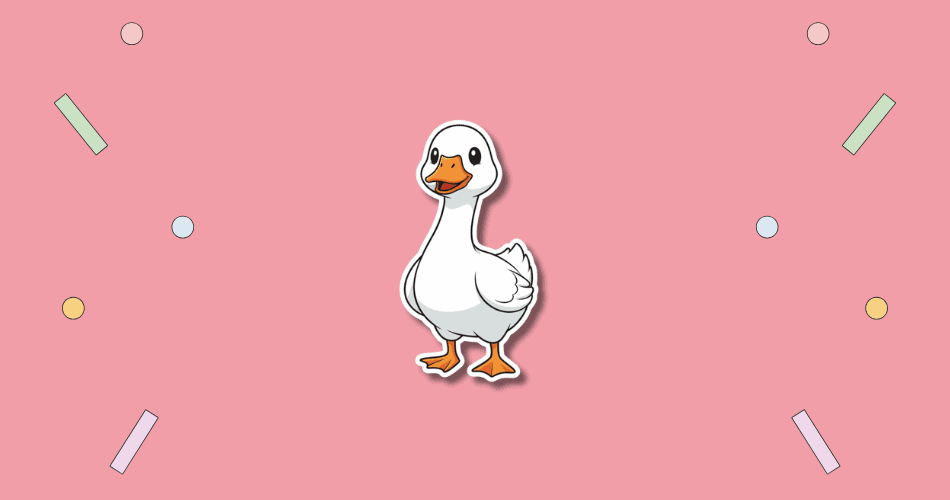
Every year on September 29, International Happy Goose Day waddles onto the calendar with a smile, drawing on centuries-old Michaelmas traditions and giving everyone a lighthearted excuse to share goose lore, good-luck customs, and a festive meal if they fancy it. In 2027, this date falls on a Wednesday.
Contents
HT Meter
Does this day matter to you?
Tap the meter if it does, and say whether you will be celebrating — that is what opens the wishes from everybody else who will be.
This day matters to me
0 Be the first to say so
Just getting started
0 Let others know you’re in.
Wishes, greetings and stories
Join the celebration to share a wish, a greeting, or how this day goes in your house.
These are kept for the people celebrating this day. Say you will be celebrating to read them and to add your own.
You have already shared something here recently.
Nothing here yet. Yours would be the first.
History of International Happy Goose Day
The roots of International Happy Goose Day reach back to Michaelmas, a medieval feast linked with St. Michael that later picked up a goose-on-the-table custom in England; the lore said eating goose on this date would bring prosperity for the year ahead. Modern explainers connect that history to today’s observance, which simply marks September 29 as a cheerful day to celebrate geese and the surrounding stories.
Across the Atlantic, a particularly lively thread runs through Pennsylvania’s Juniata River Valley, where “Goose Day” traditions arrived with English settlers in the late 1700s and still inspire community events, menus, and playful good-luck rituals every late September. That regional energy has helped keep the custom visible and welcoming to newcomers.1
Why is International Happy Goose Day important?
For a small, quirky holiday, it carries a lot of heart. It turns old harvest-season folklore into a modern nudge to gather, share a meal, and swap stories—proof that a tradition doesn’t need an official proclamation to make people feel connected. When a date shows up every year, it becomes a friendly anchor for simple togetherness.
International Happy Gose Day
It also keeps a bit of cultural history alive without taking itself too seriously. Whether you roast a bird or just raise a glass, you’re touching a line that runs from medieval feasts to neighborhood happenings in places like Pennsylvania, where local calendars still brim with “Goose Day” fun around September 29.
- It makes folklore feel friendly and usable today.
- It gives communities an easy, seasonal reason to gather.
- It connects kitchen tables to centuries of harvest customs.
- It’s a reminder that small traditions can travel and evolve.
- It invites playful good-luck rituals without heavy rules.
How to Celebrate International Happy Goose Day
Make it yours
How would you like to spend International Happy Goose Day?
Tick what fits you, and we will put together ideas made for this day — not for any day.
Keep it easy and cozy. If you enjoy cooking, try a simple autumn menu—roast chicken as a stand-in if goose isn’t practical—and add something seasonal like apples, cabbage, or potatoes. Share the Michaelmas good-luck tale at the table and let everyone add a hope for the year ahead.
Make it social without stress. Visit a local event if your area hosts Goose Day activities, or hold a low-key “goose & games” evening where the only requirement is bringing a story, a side dish, or a song. If you’re online, post a fact about the holiday’s history with a nod to where you learned it so the tradition keeps spreading.
- Swap one family story about luck or harvest time
- Cook a simple fall supper and toast the season
- Share a short post about the holiday’s origins
- Try a regional recipe you’ve never made before
- Put September 29 on next year’s calendar so it sticks
International Happy Goose Day Dates Table
| Year | Date | Day of the week |
|---|---|---|
| 2026 | September 29 | Tuesday |
| 2027 next | September 29 | Wednesday |
| 2028 | September 29 | Friday |
| 2029 | September 29 | Saturday |
| 2030 | September 29 | Sunday |
Sorry to hear you didn't enjoy this article...
National Poultry Day
Help us make it better!