
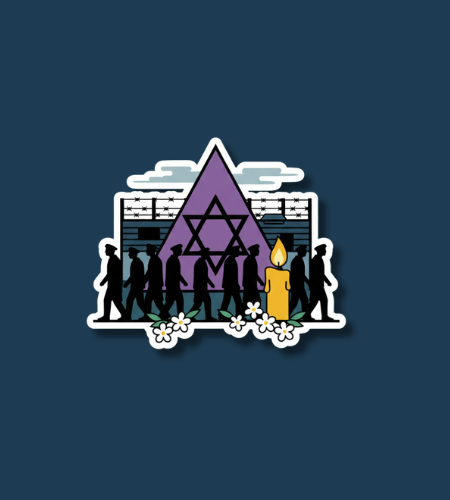
International Holocaust Remembrance Day is observed annually on January 27. This date was chosen by the United Nations to commemorate the victims of the Holocaust, marking the anniversary of the liberation of the Auschwitz-Birkenau concentration and extermination camp in 1945. The day serves as a global period of reflection to honor the six million Jewish victims and millions of others who suffered under Nazi persecution, ensuring that the history of the genocide is preserved and understood by future generations.
Table of Contents
History of International Holocaust Remembrance Day
The establishment of this day was formalized on November 1, 2005, when the United Nations General Assembly adopted Resolution 60/7. This resolution was a landmark decision that not only designated January 27 as an official day of commemoration but also rejected any denial of the Holocaust as a historical event. The first official international ceremony took place in 2006 at the United Nations Headquarters in New York, setting a precedent for annual global observances that focus on education and the prevention of future acts of genocide.
The specific date of January 27 holds deep historical significance as it marks the moment when Soviet troops entered the Auschwitz-Birkenau complex in Poland. Upon their arrival, the world began to grasp the full scale of the atrocities committed within the camp system. While various countries had previously established their own national days of remembrance, the UN resolution created a unified, global platform for memory, specifically linking the liberation of the largest Nazi death camp to a worldwide commitment to human rights and dignity. 1
Why is International Holocaust Remembrance Day important?
Maintaining a collective memory of the Holocaust is essential for defending universal human rights and combating modern instances of antisemitism and racism. This day provides a structured opportunity for the international community to listen to the testimonies of survivors, whose first-hand accounts offer an irreplaceable perspective on the consequences of unchecked hatred. By focusing on the systematic nature of the genocide, the observance highlights how the erosion of democratic values and the spread of propaganda can lead to mass violence.
The day also serves as a critical educational tool, encouraging schools and institutions to teach the history of the “Final Solution” and the stories of those who resisted dehumanization. It emphasizes the responsibility of all nations to protect vulnerable populations and to foster a culture of tolerance. In a time when direct witnesses are becoming fewer, the formalization of this day ensures that the lessons learned from this dark period remain a central part of the global moral and political consciousness.
- It honors the memory of the six million Jews murdered during the Holocaust.
- The day recognizes the suffering of Roma, Sinti, and other targeted groups.
- It reaffirms a global commitment to preventing future genocides through education.
- Official ceremonies provide a platform for survivors to share their historical testimonies.
- The observance promotes the preservation of Holocaust sites as educational memorials.
How to Observe International Holocaust Remembrance Day
Observing this day is a solemn activity that often begins with participating in a moment of silence to respect the lives lost. Many people visit Holocaust museums or local memorials to learn about the specific individuals from their communities who were affected by the war. Educational engagement is a primary way to mark the day, such as attending a lecture, watching a historical documentary, or reading memoirs written by survivors to gain a factual understanding of their experiences.
Another meaningful way to observe the day is by participating in the “Light the Darkness” tradition, where people light candles in their windows at a specific time to symbolize hope and remembrance. Public readings of the names of victims are frequently held in town squares and places of worship to restore the identity and dignity of those the Nazi regime tried to erase. Supporting organizations that preserve archives and digitize survivor testimonies ensures that the evidence of the Holocaust remains accessible for research and teaching.
- Light a memorial candle and place it in a window at sunset.
- Visit a virtual or physical exhibit dedicated to Holocaust history.
- Read a book or essay written by a Holocaust survivor or historian.
- Attend a commemorative event hosted by a local library or university.
- Share factual historical information on social media to counter disinformation.
International Holocaust Remembrance Day Dates Table
| Year | Date | Day |
|---|---|---|
| 2026 | January 27 | Tuesday |
| 2027 | January 27 | Wednesday |
| 2028 | January 27 | Thursday |
| 2029 | January 27 | Saturday |
| 2030 | January 27 | Sunday |
Subscribe to our newsletter and never miss a holiday again!