
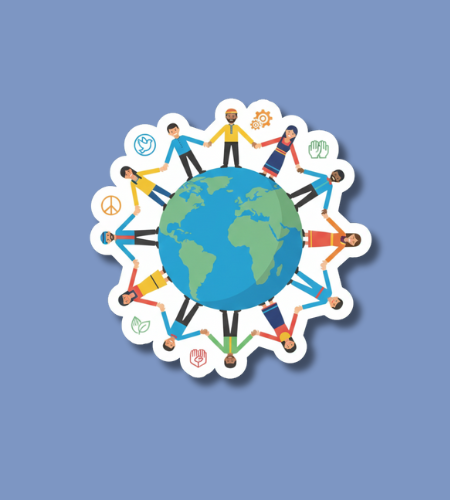
International Human Solidarity Day is observed annually on December 20. This United Nations observance highlights the importance of acting together as a global community to solve the world’s most pressing problems. It is a day dedicated to the fundamental values of unity and empathy, reminding us that in an interconnected world, the challenges of poverty, inequality, and climate change are best addressed when nations and individuals support one another.
Table of Contents
History of International Human Solidarity Day
The roots of this observance lie in the United Nations Millennium Declaration, adopted in September 2000. During this historic summit, world leaders identified solidarity as one of the fundamental values essential to international relations in the 21st century. They recognized that in an era of globalization, those who suffer or benefit least deserve help from those who benefit most. To operationalize this vision, the UN General Assembly established the World Solidarity Fund in 2002 to fund poverty eradication and human development in developing countries. 1
On December 22, 2005, the UN General Assembly formally proclaimed International Human Solidarity Day through Resolution 60/209. The decision was part of a broader effort to promote a culture of solidarity and the spirit of sharing to combat poverty. Since its inception, the day has served as a platform to remind governments to respect their commitments to international agreements and to encourage debate on ways to promote solidarity for the achievement of the Sustainable Development Goals.
Why is International Human Solidarity Day important?
This day is crucial because it reinforces the idea that we are all part of a single human family with a shared destiny. It challenges the “every man for himself” mentality that often dominates international politics and economics. By focusing on solidarity, the observance emphasizes that global security and prosperity rely on reducing the gap between the rich and the poor. It serves as a moral compass, guiding global efforts to ensure that the costs and burdens of global challenges are distributed fairly in accordance with basic principles of equity and social justice.
Furthermore, the day celebrates “unity in diversity.” It acknowledges that while cultures, religions, and languages differ, the underlying human experience—and the right to dignity—is universal. It encourages a shift from charity to shared responsibility, promoting partnerships between governments, the private sector, and civil society. This collaborative approach is vital for building a future where no one is left behind, particularly the most vulnerable populations affected by conflict and natural disasters.
- It reminds governments to honor their international commitments.
- It promotes the concept of unity across different cultures.
- It raises awareness about the urgency of eradicating poverty.
- It encourages new initiatives for social and economic development.
- It highlights the need for collective action on climate change.
- Promoting Unity in Diversity. This day emphasizes the importance of global unity, recognizing that our diverse backgrounds, cultures, and perspectives are strengths that can be harnessed to address global challenges.
- Encouraging Global Cooperation. It serves as a reminder for nations and individuals to work together in a spirit of partnership to tackle issues like poverty, hunger, and disease, fostering a sense of global community.
- Highlighting the Importance of Solidarity. The day underscores the need for solidarity – the mutual support and cooperation among people and nations – as a cornerstone for achieving social and economic development.
- Advocating for Poverty Eradication. It brings to the forefront the ongoing efforts and the need for new initiatives to eradicate poverty, ensuring that everyone has access to basic needs and opportunities.
- Supporting Sustainable Development Goals. The observance aligns with the Sustainable Development Goals, promoting actions that contribute to achieving these global objectives.
- Encouraging Public Awareness and Action. It’s a day to raise awareness about the importance of solidarity and to inspire individuals to take action in support of global cooperation and development.
- Fostering a Culture of Sharing. The day promotes the spirit of sharing and caring, encouraging people to support each other, especially those who are less fortunate.
How to Observe International Human Solidarity Day
Observing this day often starts with education and awareness. You can take time to read about the Sustainable Development Goals (SDGs) and understand how they aim to improve life for everyone on the planet. Sharing this information on social media or discussing it with friends helps spread the message that our local actions have global consequences. Many organizations use this day to launch campaigns or hold debates, and attending these events (even virtually) can provide more profound insight into how you can contribute to global solutions.
On a practical level, you can practice solidarity by supporting organizations that work on the frontlines of humanitarian aid. Donating to the World Solidarity Fund or other reputable NGOs that fight hunger and disease is a direct way to help. However, solidarity is also about local community building. You can volunteer at a local food bank, mentor a student from a disadvantaged background, or simply reach out to neighbors who might be isolated. These small acts of kindness ripple outward, reinforcing the social fabric that holds humanity together.
- Participate in Discussions and Debates. Engage in conversations about ways to promote solidarity and innovative methods to eradicate poverty, contributing to a global dialogue.
- Support Campaigns and Initiatives. Get involved in campaigns focused on issues like banning land mines, providing accessible healthcare, and supporting relief efforts for disaster-affected areas.
- Educate Yourself and Others. Use this day as an opportunity to learn more about global issues and share this knowledge with others to spread awareness.
- Volunteer and Contribute. Offer your time and skills to organizations working towards poverty eradication and social development.
- Promote the Day on Social Media. Share messages and posts about International Human Solidarity Day to increase awareness and encourage others to participate.
- Donate to Relevant Causes. Financial contributions to funds and organizations dedicated to poverty eradication can make a significant impact.
- Organize Community Events. Host or participate in local events that focus on themes of solidarity, unity, and global cooperation.
- Read the UN Millennium Declaration to understand its goals.
- Share stories of successful international cooperation online.
- Engage in a conversation about social justice with your family.
International Human Solidarity Day Dates Table
| Year | Date | Day |
|---|---|---|
| 2026 | December 20 | Sunday |
| 2027 | December 20 | Monday |
| 2028 | December 20 | Wednesday |
| 2029 | December 20 | Thursday |
| 2030 | December 20 | Friday |
Reviewed by HolidayToday Staff
Subscribe to our newsletter and never miss a holiday again!