



International Lynx Day
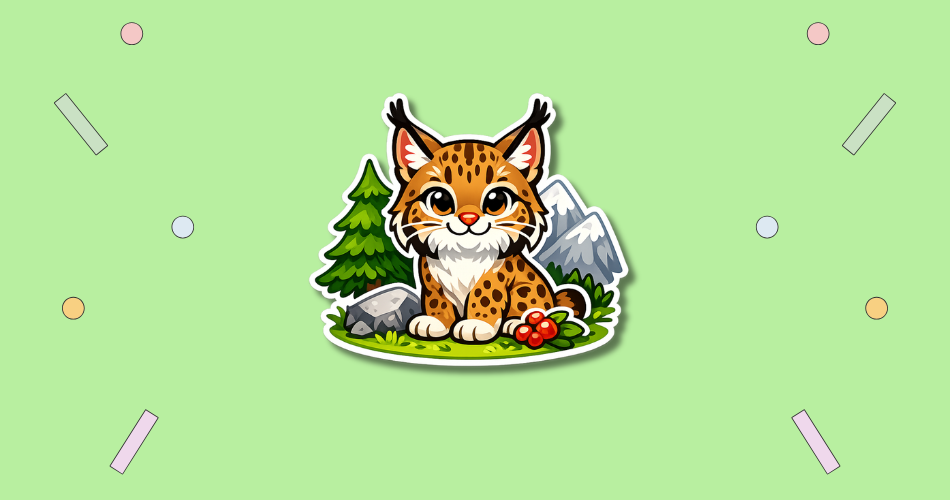
International Lynx Day is observed every year on June 11. In 2027, this date falls on a Friday. This animal awareness observance focuses on lynx, the elusive wild cats known for their tufted ears, short tails, and quiet lives in forest habitats. The day is connected with conservation education, public awareness, and the need to protect lynx populations from habitat loss, illegal killing, climate pressures, and human-wildlife conflict. It is best approached as an educational observance that combines appreciation for a remarkable predator with practical concern for its survival. 1 2 3
Contents
See also: International Jaguar Day, International Clouded Leopard Day, International Snow Leopard Day, International Tiger Day
HT Meter
Does this day matter to you?
Say that it does, and say whether you will be marking it. Both are anonymous to nobody but kind to everybody.
This day matters to me
0 Be the first to say so
Quietly remembered
0 Nobody has said so yet
Notes of remembrance
Join those marking this day to share a word, a memory, or the reason it matters to you.
These notes are kept for the people marking this day. Say you will be marking it to read them and to leave your own.
You have already shared a note here recently.
No notes yet. Yours would be the first.
History of International Lynx Day
International Lynx Day was introduced in 2017 as part of the transboundary 3Lynx Project, a Central European conservation effort focused on Eurasian lynx populations that move across national borders. The project brought together partners working on monitoring, conservation planning, and cooperation with groups such as hunters, foresters, landowners, and wildlife managers. Its work reflected a central challenge of lynx conservation: the animals do not recognize political boundaries, so long-term protection often depends on shared data, coordinated habitat planning, and public acceptance across several countries.

International Snow Leopard Day
The observance is now used to draw attention to lynx more broadly, including the Eurasian lynx, Iberian lynx, Canada lynx, and bobcat. Lynx are usually solitary and hard to spot, which can make them seem mysterious even in places where they are native. Their quiet nature does not make them unimportant; as predators, they help shape healthy ecosystems by influencing prey populations and supporting the balance of forest habitats. International Lynx Day gives conservation groups, schools, wildlife parks, and ordinary readers a clear annual date for learning about these cats and the pressures they face.
Why is International Lynx Day important?
International Lynx Day matters because lynx conservation depends on attention before populations become too small, isolated, or genetically fragile. Some lynx populations have recovered through reintroduction, legal protection, habitat work, and careful monitoring, but progress can remain vulnerable when forests are fragmented or when animals are killed illegally. Roads, expanding development, reduced prey, and conflict with livestock owners can all affect the ability of lynx to survive and move safely. A single awareness day cannot solve those problems, but it can help more people understand why science-based conservation and coexistence work are needed.
The day also helps correct common misunderstandings about predators. Lynx are not oversized house cats, and they are not villains in the landscape; they are wild animals with specific habitat needs and ecological roles. Teaching people about their behavior, diet, range, and conservation status can reduce fear and encourage more thoughtful decisions about land use and wildlife policy. For children and adults alike, lynx provide a memorable way to learn about biodiversity, forest health, and the delicate relationship between human communities and wild carnivores.
- Lynx help people understand why predators matter.
- The day supports awareness of habitat protection.
- It encourages respect for elusive wild animals.
- Conservation depends on cooperation across borders.
- Better public knowledge can reduce harmful myths.
How to Observe International Lynx Day
Make it yours
How would you like to spend International Lynx Day?
Tick what fits you, and we will put together ideas made for this day — not for any day.

World Lion Day
Learn about the four lynx species and how their lives differ across Europe, Asia, and North America. Read about the Eurasian lynx in European forests, the Iberian lynx in the Iberian Peninsula, the Canada lynx in snowy northern habitats, and the bobcat across much of North America. Families and classrooms can use the day for wildlife lessons, map activities, documentaries, or discussions about why some predators need large, connected territories. Anyone sharing information online should choose accurate conservation facts and avoid turning wild animals into cute props or entertainment.
Support organizations that protect habitats, monitor lynx populations, or promote responsible coexistence between people and wildlife. If visiting a wildlife center, choose places that prioritize animal welfare, education, and conservation rather than performances or photo gimmicks. People who live near lynx territory can learn how local monitoring programs work and why reporting sightings responsibly may matter. The day can also be used to think about forests, road crossings, climate change, and the everyday choices that affect the wild places lynx need.
- Read about one lynx species in detail.
- Share a conservation fact with a child.
- Choose wildlife tourism with animal welfare in mind.
- Support habitat protection or monitoring work.
- Watch a documentary about forest predators.
International Lynx Day Dates
| Year | Date | Day of the week |
|---|---|---|
| 2026 | June 11 | Thursday |
| 2027 next | June 11 | Friday |
| 2028 | June 11 | Sunday |
| 2029 | June 11 | Monday |
| 2030 | June 11 | Tuesday |