
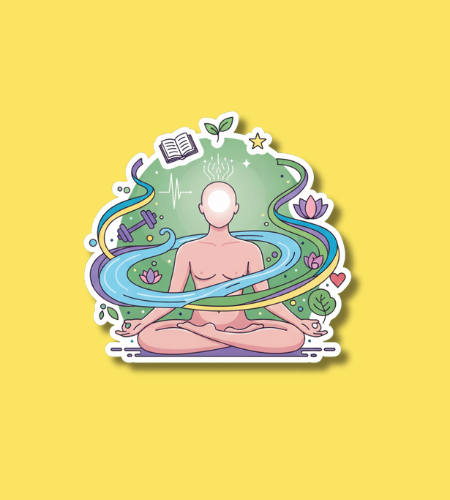
International Mind-Body Wellness Day is observed on January 3. This day emphasizes the interconnectedness of physical, mental, and emotional health at the beginning of the new year. It serves as a global reminder that thoughts and feelings directly influence biological functions, such as immune response and heart rate. By promoting holistic self-care, the observance encourages people to adopt habits that nurture the spirit and the body simultaneously to achieve long-term vitality.
Table of Contents
History of International Mind-Body Wellness Day
The concept of mind-body harmony traces back over two millennia to the foundations of natural medicine. Hippocrates, often called the father of medicine, documented how emotional states could influence physical recovery and overall constitution around 400 BC. In the 17th century, philosopher René Descartes introduced the “mind-body problem,” debating whether the mind and the physical body were separate entities. This philosophical inquiry eventually led to modern scientific research into how neurotransmitters and hormones bridge the gap between mental perceptions and physical sensations.
The modern iteration of the holiday gained traction following the holistic health movements of the 1960s and 1970s. During this era, Western medicine began incorporating Eastern practices like mindfulness and meditation into clinical treatments. Scientists started measuring the impact of stress hormones like cortisol on the digestive and cardiovascular systems, confirming ancient theories with empirical data. Today, the day is positioned at the start of January to capitalize on the common practice of setting New Year’s resolutions focused on personal improvement and health.
Why is International Mind-Body Wellness Day important?
The day is significant because it highlights how mental stress can manifest as physical ailments like headaches, muscle tension, and digestive issues. Research indicates that chronic stress weakens the immune system, making the body more susceptible to infections and slowing down healing processes. By acknowledging this connection, individuals can transition from treating isolated symptoms to addressing the root emotional or psychological causes of their physical discomfort. This shift in perspective is essential for preventing lifestyle-related diseases that are exacerbated by poor mental hygiene.
Focusing on mind-body wellness also improves cognitive function and emotional resilience. When the body is properly rested and nourished, the brain can better regulate emotions and maintain focus during challenging tasks. This balance leads to higher productivity and more stable relationships both at home and in the workplace. The observance provides a structured opportunity for communities to discuss mental health openly, reducing the social stigma that sometimes prevents people from seeking professional help for their emotional well-being.
- Physical health is directly influenced by mental and emotional clarity
- Stress reduction can lower blood pressure and improve heart health
- Holistic habits help prevent burnout and chronic fatigue
- Positive thinking is scientifically linked to a stronger immune system
- The day promotes the use of natural and preventative health strategies
How to Celebrate International Mind-Body Wellness Day
A common way to observe this day is through the practice of mindful movement, such as yoga, tai chi, or qigong. These activities focus on the rhythm of the breath while engaging specific muscle groups, which helps synchronize the brain with the body’s physical sensations. Taking a walk in nature is another practical option, as exposure to green spaces is proven to lower cortisol levels and improve mood. Many people use the day to assess their sleep hygiene, ensuring their bedroom environment and evening routines support restorative rest.
Nutritional choices are also a central part of the celebration. Preparing a meal with whole, nutrient-dense foods supports the gut-brain axis, which is the communication network between the digestive system and the central nervous system. Engaging in sensory activities like aromatherapy or taking a warm bath can help trigger the body’s relaxation response. For those who prefer mental exercises, journaling or guided meditation can provide a way to process internal thoughts and reduce the mental clutter that often accumulates during the busy holiday season.
- Practice a ten-minute guided meditation to center your thoughts
- Spend time outdoors to reconnect with the natural environment
- Eat a balanced meal rich in antioxidants and healthy fats
- Evaluate and improve your nightly sleep routine for better rest
- Try a gentle stretching or yoga routine to release physical tension
International Mind-Body Wellness Day Dates Table
| Year | Date | Day |
|---|---|---|
| 2026 | January 3 | Saturday |
| 2027 | January 3 | Sunday |
| 2028 | January 3 | Monday |
| 2029 | January 3 | Wednesday |
| 2030 | January 3 | Thursday |
Subscribe to our newsletter and never miss a holiday again!