

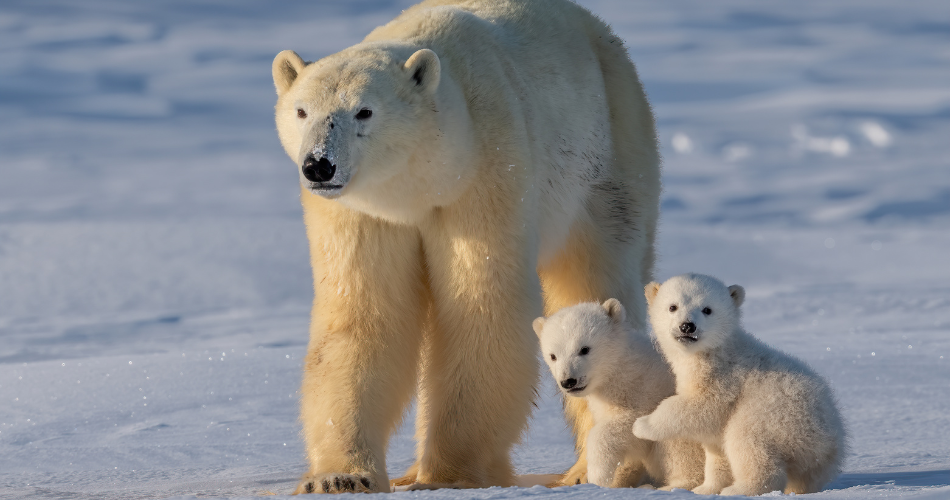
International Polar Bear Day is celebrated on February 27. This global event focuses on the conservation of the world’s largest land carnivore and the protection of the Arctic sea ice they depend on for survival. It specifically highlights the vulnerability of mother bears and their cubs during the denning season.
Read also about Polar Bear Week and World Bear Day
Table of Contents
History of International Polar Bear Day
The non-profit organization Polar Bears International (PBI) established this observance in 2011. The founders chose the late February date because it aligns with the time when polar bear mothers and their newborn cubs are sheltered in snow dens across the Arctic. During this period, the families are in their most fragile state, as the cubs are born blind and weigh only about one pound. 1
Since its inception, the day has evolved from a small awareness campaign into a global movement supported by zoos, conservation groups, and environmental advocates. It serves as a platform to share scientific research regarding the decline of sea ice and the resulting impact on polar bear populations. Early milestones included the 2014 commitment by major institutions to adjust energy usage in solidarity with Arctic conservation efforts.
Why is International Polar Bear Day important?
Polar bears are classified as marine mammals because they spend most of their lives on the sea ice of the Arctic Ocean. They rely on this frozen platform to hunt seals, their primary food source, and to travel across their vast home range. As rising global temperatures cause sea ice to melt earlier in the spring and freeze later in the autumn, the bears lose critical hunting time, leading to nutritional stress and lower cub survival rates.
This day is vital because it connects individual energy consumption with the preservation of a remote ecosystem. By drawing attention to the “denning” period, the event emphasizes the need to protect specific geographic areas from industrial disturbance. When the public understands the biological requirements of these animals, it becomes easier to advocate for policies that address the root causes of habitat loss and ensure the species’ long-term persistence.
- Polar bears are the top predators in the Arctic food web.
- Their survival is directly linked to the health of sea ice.
- Loss of habitat forces bears to travel longer distances for food.
- Denning mothers fast for several months while nursing their young.
- Healthy bear populations indicate a balanced and stable Arctic environment.
Interesting facts about Polar Bear
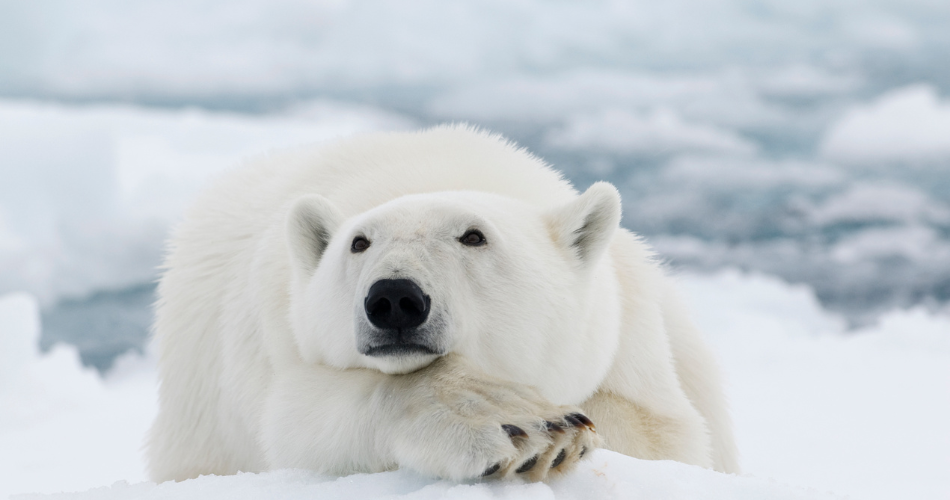
- Invisible Predators
Polar bears are masters of thermal camouflage. Their hollow fur traps heat so efficiently that they are almost entirely invisible to infrared cameras. The only heat signatures typically visible are their breath and the tips of their noses. - Jet-Black Skin
Underneath that iconic white-to-cream coat, a polar bear’s skin is actually pitch black. This adaptation allows them to absorb as much solar energy as possible to stay warm in the Arctic chill. 2 - The “Cleaning” Ritual
Polar bears are surprisingly obsessed with hygiene. After a meal, they spend up to 20 minutes grooming themselves by licking their paws and rolling in the snow. This isn’t just about vanity—matted, dirty fur loses its insulating properties. - Olympic-Level Swimmers
They aren’t just “land” animals; their scientific name, Ursus maritimus, means “sea bear.” They have been recorded swimming continuously for over 9 days, covering 426 miles (687 km) without stopping to rest. - Paws Like Snowshoes
A polar bear’s paw can measure up to 12 inches (30 cm) across. This massive surface area acts like a natural snowshoe to prevent them from sinking into thin ice, while the “papillae” (small bumps) on their footpads provide sandpaper-like grip on slippery surfaces. - Hyper-Efficient Metabolism
During the summer, when sea ice melts and seals are hard to catch, polar bears can enter a state of “walking hibernation.” They slow their metabolism significantly but remain active, unlike brown bears that sleep through the winter. - Blue-Blooded Hunters?
While their blood isn’t actually blue, their tongues often are. Due to heavy blood flow and the way they regulate temperature, a polar bear’s tongue can appear dark blue or even black.
How to Celebrate International Polar Bear Day
One of the most practical ways to participate is by participating in the “Thermostat Challenge” to reduce carbon emissions. By lowering the heat in the winter or raising it in the summer, individuals can decrease the amount of fossil fuels burned, which helps slow the warming of the Arctic. Many people also use the day to learn about the unique biology of the bears, such as their black skin and translucent fur that helps them trap heat.
Supporting organizations that track polar bear movements through satellite technology is another way to make a difference. Many zoos host educational programs or live broadcasts where experts discuss the latest findings from field research in places like Svalbard or Churchill. You can also advocate for the protection of maternal denning areas by supporting legislation that limits industrial activity in sensitive Arctic regions during the winter months.
- Adjust your thermostat by a few degrees to save energy.
- Watch educational documentaries about Arctic wildlife and habitats.
- Share scientific facts about sea ice loss with your community.
- Support reputable conservation groups through donations or symbolic adoptions.
- Use public transportation or carpool to reduce your carbon footprint.
International Polar Bear Day Dates Table
| Year | Date | Day |
|---|---|---|
| 2026 | February 27 | Friday |
| 2027 | February 27 | Saturday |
| 2028 | February 27 | Sunday |
| 2029 | February 27 | Tuesday |
| 2030 | February 27 | Wednesday |
- https://polarbearsinternational.org/act-now/awareness-events/international-polar-bear-day/[↩]
- https://www.worldwildlife.org/species/polar-bear/[↩]
Subscribe to our newsletter and never miss a holiday again!