
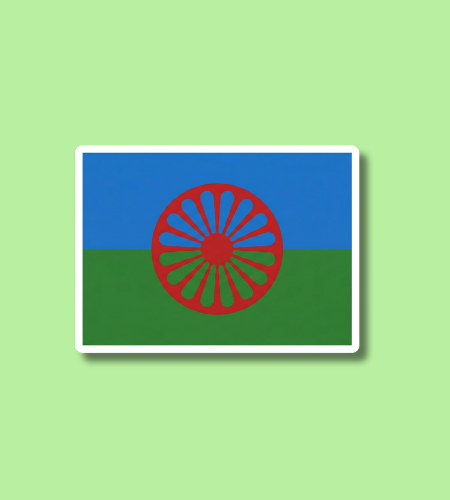
International Romani Day is observed on April 8. This day is dedicated to celebrating Romani culture, history, and language while raising global awareness of the challenges and systemic discrimination faced by the Romani people. As Europe’s largest ethnic minority, the Romani community uses this occasion to advocate for human rights, equality, and the preservation of their unique identity.
Read also about Zero Discrimination Day
Table of Contents
History of International Romani Day
The origins of this observance are tied to the first major international meeting of Romani representatives, known as the World Romani Congress. This landmark event took place from April 7 to 12, 1971, in Chelsfield, near London, United Kingdom. Twenty-three delegates from nine nations gathered to discuss social issues, civil rights, and the standardization of the Romani language. During this congress, the community officially adopted its blue and green flag with a red wheel (chakra) and chose the song “Gelem, Gelem” as the international Romani anthem.
While the 1971 meeting established the cultural symbols of the movement, the date was not officially declared as a dedicated day of celebration until 1990. During the fourth World Romani Congress in Serock, Poland, delegates formally designated April 8 as International Romani Day to honor the anniversary of the first 1971 meeting. This declaration aimed to institutionalize the fight against “antigypsyism” and to ensure that the Romani people are recognized as an integral part of global history rather than just subjects of historical events. 1
Why is International Romani Day important?
This day is vital for combating the deep-seated prejudice and social exclusion that many Romani individuals still encounter in modern society. Historically, the Romani were victims of horrific persecution, including slavery in Romania and the “Porrajmos”—the Romani genocide during the Holocaust, which resulted in the deaths of roughly 500,000 people. By observing this day, the international community reflects on these tragedies and works to ensure that such atrocities are never repeated through education and legislative protection.
The observance also highlights the profound influence of Romani culture on global arts, particularly in music and dance. The unique musical heritage of the Romani has significantly shaped genres ranging from jazz and flamenco to the works of classical composers like Franz Liszt and Johannes Brahms. Celebrating these contributions helps dismantle negative stereotypes and replaces them with a more accurate understanding of the Romani people’s creativity and resilience. It serves as a platform for the community to demand equal access to housing, healthcare, and education.
- The day honors the 1971 World Romani Congress that unified the global movement.
- It raises awareness of the systemic poverty affecting approximately 80% of Roma in Europe.
- The observance promotes the use of the term “Roma” over older, offensive labels.
- It celebrates a rich oral tradition and a language with roots in ancient Indic tongues.
- The day serves as a call for governments to implement stronger anti-discrimination laws.
How to Observe International Romani Day
Observing this day often begins with the visible display of the Romani flag, which symbolizes the sky, the earth, and the itinerant history of the people. Many communities hold cultural festivals featuring traditional music, dance performances, and poetry readings in the Romani language. Participating in these public events is a meaningful way for non-Romani individuals to show solidarity and learn about the diverse sub-groups within the community, such as the Sinti, Kale, and Manouche.
Educational engagement is another pillar of the observance. Many people use the day to read books on Romani history or watch documentaries that explain the migration of the Romani from northern India to Europe over a millennium ago. Schools and universities may host lectures or panel discussions focused on modern human rights challenges. For a more personal observation, you can support Romani artists and businesses or participate in the “River Ritual,” where flowers or candles are cast into the water to remember those who died during the genocide and to symbolize the hope for a more inclusive future.
- Attend a local festival to experience traditional Romani music and dance.
- Fly the Romani flag or wear its colors to show your support for equality.
- Read survivor testimonies to understand the history of the Romani genocide.
- Support Romani organizations that work toward better education and housing.
- Share facts about Romani history on social media to challenge common misconceptions.
International Romani Day Dates Table
| Year | Date | Day |
|---|---|---|
| 2026 | April 8 | Wednesday |
| 2027 | April 8 | Thursday |
| 2028 | April 8 | Saturday |
| 2029 | April 8 | Sunday |
| 2030 | April 8 | Monday |
Subscribe to our newsletter and never miss a holiday again!