
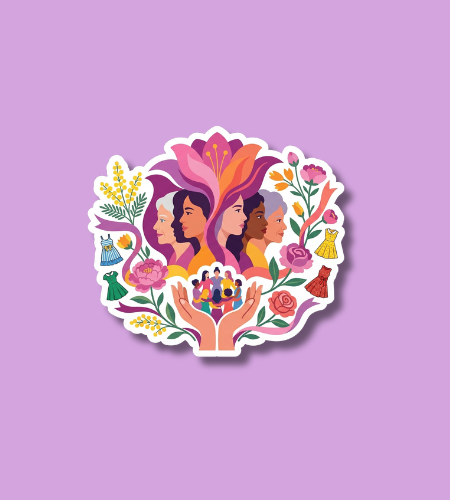
International Women’s Day is a global holiday celebrated annually on March 8 to recognize the social, economic, cultural, and political achievements of women while serving as a call to action for accelerating gender parity. The observance originated from labor movements in North America and Europe during the early 20th century and has since grown into a worldwide event supported by the United Nations. It provides an opportunity to reflect on progress made, to advocate for further change, and to celebrate the courage and determination of ordinary women who have played an extraordinary role in the history of their countries and communities. 1
Read also about International Women of Color Day and Women’s Equality Day
Table of Contents
History of International Women’s Day
The origins of this observance trace back to the labor movements of the early 20th century in North America and Europe. In 1908, thousands of women marched through New York City to demand better pay, shorter working hours, and the right to vote. The first National Woman’s Day was marked in the United States in 1909. Following this, Clara Zetkin, a German activist, proposed the idea of an international day at the International Conference of Working Women in Copenhagen in 1910. The proposal received unanimous approval from over 100 women representing 17 countries.
The date of March 8 became significant following a 1917 strike by Russian women demanding “bread and peace” during World War I. This protest began on February 23 according to the Julian calendar, which converted to March 8 in the Gregorian calendar. The strike eventually led to the abdication of the Tsar and the granting of female suffrage. For several decades, the day was primarily celebrated in socialist and communist countries. However, it gained broader global recognition in 1977 when the United Nations officially invited member states to proclaim March 8 as a day for women’s rights and world peace. 2
Why is International Women’s Day important?
This day serves as a focal point in the movement for women’s rights, highlighting issues such as gender equality, reproductive rights, and protection against violence. It provides a platform to address the gender pay gap and the underrepresentation of women in leadership roles across various industries. By bringing these topics to the forefront, the observance encourages governments and organizations to implement policies that support parity and inclusive growth.
Beyond policy and advocacy, the day is a time to acknowledge the contributions women have made to science, politics, education, and the arts. It recognizes the historical struggles for suffrage and the ongoing efforts of activists worldwide. The day also serves to inspire younger generations, emphasizing that social and economic barriers can be overcome through collective action and persistent advocacy.
- It highlights the global progress toward gender equality
- The day raises awareness about legal protections for women
- It honors the pioneers who fought for the right to vote
- The observance focuses on closing the gender pay gap
- It celebrates the personal and professional successes of women
How to Observe International Women’s Day
Observing this day often involves attending community rallies, seminars, or workshops that discuss women’s rights. Many people choose to support women-owned businesses or donate to organizations that provide education and healthcare to girls in underserved regions. In professional settings, companies may host guest speakers or review their internal policies to ensure equal opportunities for all employees.
On a personal level, people use the day to show appreciation for the women in their lives, including family members, mentors, and colleagues. Sending messages of support or giving small tokens of appreciation, such as flowers or cards, is common in many cultures. Educational institutions often use the day to teach students about influential female figures in history who have shaped modern society.
- Attend a local event or march for women’s rights
- Support a female entrepreneur by shopping at her business
- Read a book or watch a documentary about female leaders
- Wear purple to show solidarity with the movement
- Thank a female mentor for her guidance and support
International Women’s Day Dates Table
| Year | Date | Day |
|---|---|---|
| 2026 | March 8 | Sunday |
| 2027 | March 8 | Monday |
| 2028 | March 8 | Wednesday |
| 2029 | March 8 | Thursday |
| 2030 | March 8 | Friday |
Subscribe to our newsletter and never miss a holiday again!