
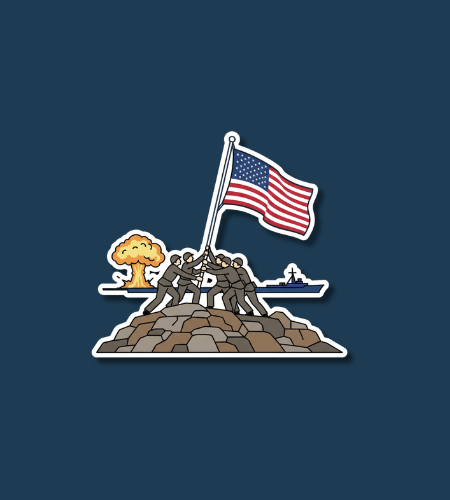
Iwo Jima Day is observed on February 19. This date marks the anniversary of the 1945 landing of the United States Marines on the island of Iwo Jima during World War II. The day is recognized to honor the service members who participated in the five-week battle, which was one of the most intense and costly campaigns in the Pacific Theater.
Table of Contents
History of Iwo Jima Day
The Battle of Iwo Jima, codenamed Operation Detachment, began on the morning of February 19, 1945. Approximately 70,000 U.S. Marines and Navy personnel landed on the island’s volcanic beaches. Military planners initially expected the mission to last only a few days due to the island’s small size, but the Japanese defenders had constructed an extensive network of tunnels, bunkers, and camouflaged artillery positions. This defensive strategy forced the American troops into thirty-six days of relentless combat across difficult terrain composed of soft volcanic ash.
Massachusetts became the only state to officially codify the day into law, requiring the Governor to issue an annual proclamation. Across the rest of the United States, the day is observed through military ceremonies, veteran reunions, and educational programs. The most famous moment of the battle occurred on February 23, 1945, when six Marines raised the American flag atop Mount Suribachi. The resulting photograph by Joe Rosenthal became a definitive symbol of American resolve and provided the basis for the Marine Corps War Memorial in Arlington, Virginia.
Why is Iwo Jima Day important?
The significance of this day lies in the recognition of the extreme casualties and bravery recorded during the campaign. Nearly 7,000 American service members lost their lives, and another 20,000 were wounded. For the U.S. Marine Corps, Iwo Jima represents a defining moment where “uncommon valor was a common virtue.” The battle resulted in 27 Medals of Honor being awarded to Marines and Sailors, which remains the highest number for any single operation in United States history.
Strategically, the capture of Iwo Jima was a turning point in the war against Japan. The island’s three airfields provided a vital emergency landing strip for B-29 bombers returning from missions and allowed for fighter escorts to reach the Japanese mainland. By observing this day, the public acknowledges the strategic necessity of the island and the physical toll it took on the Greatest Generation. It also serves as a bridge for modern diplomacy, as former enemies now participate in joint “Reunion of Honor” ceremonies on the island.
- It commemorates the start of one of the bloodiest battles in Marine Corps history.
- The day honors the 27 service members who received the Medal of Honor for their actions.
- It recognizes the vital role of the Navajo Code Talkers during the initial invasion.
- The observance highlights the strategic importance of the island’s airfields for the war effort.
- It preserves the legacy of the veterans who fought in the Pacific Theater.
How to Observe Iwo Jima Day
Observing this day often involves visiting military memorials or museums that house artifacts from the Pacific War. Many people take the time to read accounts of the battle or watch documentaries that feature interviews with the dwindling number of survivors. Schools and local veteran organizations frequently host presentations to explain the historical context of the flag-raising on Mount Suribachi. Writing letters to veterans currently in assisted living facilities is a common way to show gratitude for their past service.
Personal reflection on the cost of freedom is a central theme of the day. Some participants choose to fly the American flag at half-staff or attend wreath-laying ceremonies at local cemeteries. For families of those who served, the day is an opportunity to share genealogical records and photos to ensure the individual stories of the soldiers are not lost. Supporting organizations like the Iwo Jima Association of America helps fund educational trips and memorial upkeep that keep the history of the island accessible to the public.
- Visit a local war memorial to pay respects to fallen service members.
- Watch historical footage of the flag-raising on Mount Suribachi.
- Read a biography or memoir written by an Iwo Jima survivor.
- Attend a commemorative service at a VFW or American Legion post.
- Donate to a charity that supports World War II veteran preservation projects.
Iwo Jima Day Dates Table
| Year | Date | Day |
|---|---|---|
| 2026 | February 19 | Thursday |
| 2027 | February 19 | Friday |
| 2028 | February 19 | Saturday |
| 2029 | February 19 | Monday |
| 2030 | February 19 | Tuesday |
Subscribe to our newsletter and never miss a holiday again!