
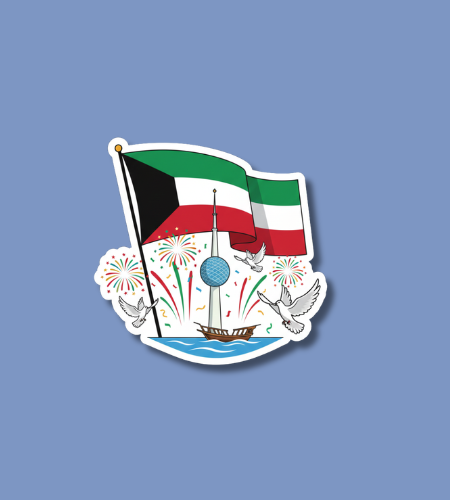
Kuwait Liberation Day is observed annually on February 26. The day commemorates the end of the Iraqi occupation in 1991 and the restoration of the nation’s sovereignty. It immediately follows National Day, creating a major two-day period of patriotic celebration that unites citizens and residents in honoring the resilience and freedom of the country.
Read also about National Day Kuwait
Table of Contents
History of Kuwait Liberation Day
The historical roots of this day lie in the 1990 invasion of Kuwait by Iraqi forces. On August 2, 1990, the invasion triggered an immediate international crisis and led to a nearly seven-month occupation. During this time, the Kuwaiti people organized a fierce resistance movement while the international community formed a coalition of dozens of nations. The United Nations Security Council passed multiple resolutions demanding an unconditional withdrawal, eventually authorizing the use of “all necessary means” to restore peace and security to the region.
Liberation was achieved through Operation Desert Storm, which transitioned from an air campaign to a massive ground offensive on February 24, 1991. Coalition forces advanced rapidly, causing a total collapse of the occupying military’s defenses. By February 26, 1991, the final Iraqi troops were expelled from Kuwait City, ending the occupation. This victory restored the legitimate government under the Al-Sabah family and allowed hundreds of thousands of displaced citizens to begin the long process of returning home and rebuilding their nation.
Why is Kuwait Liberation Day important?
This day is vital because it serves as a profound reminder of the cost of freedom and the power of international solidarity. It is a time to honor the martyrs who sacrificed their lives during the resistance and the liberation campaign. For the Kuwaiti people, the holiday reinforces a collective sense of national identity and gratitude for the global partnerships that helped secure their independence. It also marks a turning point in the country’s development, transitioning from the devastation of war to becoming a prosperous and influential financial hub in the Middle East.
The observance fosters a strong sense of unity across all generations. Younger citizens learn about the struggles of their forebears and the importance of maintaining a vigilant and sovereign state. The holiday also highlights the historical resilience of Kuwaiti infrastructure, as the nation successfully overcame the “scorched earth” policy that saw hundreds of oil wells set on fire during the retreat. By celebrating this day, the country renews its commitment to peace, stability, and the continued pursuit of its strategic goals for the future.
- It honors the memory of the military and civilian martyrs of the resistance.
- The holiday celebrates the restoration of the legal government and sovereignty.
- Public events emphasize the enduring alliance between Kuwait and its coalition partners.
- It provides an educational platform to teach the history of the 1990-1991 conflict.
- The day strengthens national pride through large-scale displays of the flag.
How to Celebrate Kuwait Liberation Day
The celebration is marked by vibrant public festivals that fill the streets with the colors of the national flag—green, white, red, and black. Major landmarks, including the Kuwait Towers and government buildings, are illuminated with spectacular light displays and patterns. Many families head to the Gulf Road to participate in massive marches known as “Maseerah,” where cars are decorated with stickers and flags. Traditional dances and live music performances occur in public parks and squares, creating a joyful environment that lasts until the early hours of the morning.
For many, the day involves gathering with relatives for traditional meals that feature classic dishes like Machboos, which consists of meat or fish served over fragrant rice. Since the weather in February is often pleasant, many people choose to celebrate by camping in the desert or hosting picnics on the beach. Children frequently participate by wearing traditional costumes or using water guns and balloons to play in the streets. Official ceremonies also include flag-raising events led by high-ranking officials to pay respect to the nation’s leadership and its historical achievements.
- Decorate your home and vehicle with flags and colorful lights.
- Attend a public fireworks display at one of the city’s major beaches or malls.
- Visit the Al-Qurain Martyrs Museum to learn about local resistance stories.
- Prepare a traditional feast featuring Machboos or local seafood for your family.
- Participate in outdoor activities like kite flying or desert camping with friends.
Kuwait Liberation Day Dates Table
| Year | Date | Day |
|---|---|---|
| 2026 | February 26 | Thursday |
| 2027 | February 26 | Friday |
| 2028 | February 26 | Saturday |
| 2029 | February 26 | Monday |
| 2030 | February 26 | Tuesday |
Subscribe to our newsletter and never miss a holiday again!