
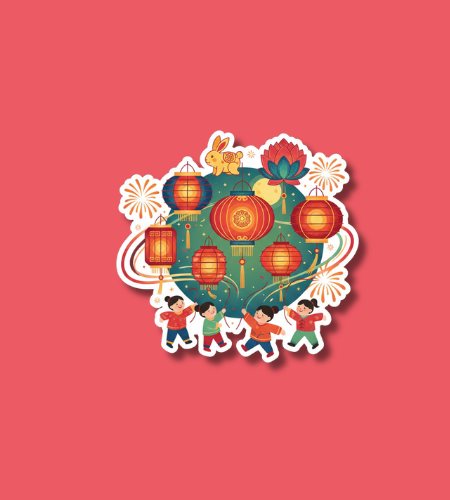
The Lantern Festival is traditionally observed on the 15th day of the first month of the lunar calendar. In 2026, it falls on March 3. This vibrant celebration marks the final day of the traditional Chinese New Year festivities and the first full moon of the lunar year. Known as Yuanxiao Jie, the holiday symbolizes the return of spring and the reunion of family, characterized by the mass lighting of colorful lanterns that illuminate the night sky and public spaces.
Table of Contents
History of Lantern Festival
The origins of the Lantern Festival date back over 2,000 years to the Han Dynasty. One popular legend attributes the festival to Emperor Ming, a supporter of Buddhism, who noticed monks lighting lanterns in temples to show respect to Buddha on the 15th day of the first lunar month. He subsequently ordered all households and temples to light lanterns on that evening, creating a tradition that eventually spread throughout the empire. Another legend tells of a celestial bird that was accidentally killed by villagers; to protect the village from the Jade Emperor’s fire-based revenge, an old man suggested hanging red lanterns and setting off firecrackers to make the village appear as if it were already burning.
During the Tang and Song Dynasties, the festival became a grand secular celebration. It was one of the few times in ancient history when curfews were lifted, allowing people of all social classes—including women—to mingle freely in the streets at night. This freedom led to the festival being nicknamed the “true” Chinese Valentine’s Day, as it provided rare opportunities for young couples to meet. Over time, the event integrated various cultural performances, such as lion dances and stilt walking, evolving into the complex folk festival observed across Asia today.
Why is Lantern Festival important?
This festival is vital as it represents the official conclusion of the New Year celebrations, serving as a final moment of joy before regular daily work resumes. It emphasizes the theme of “light” overcoming darkness and the hope for a prosperous year ahead. The full moon, which coincides with the festival, is a traditional symbol of completeness and family unity, reinforcing the social fabric of the community through shared public activities and domestic gatherings.
The holiday also serves as a vehicle for cultural education and mental stimulation. The tradition of solving lantern riddles promotes literacy and creative thinking, while the preparation of traditional foods preserves culinary heritage. For many, the festival is a time for spiritual renewal, as lighting lanterns is seen as a way to “guide” lost souls or pray for good fortune. By maintaining these customs, communities ensure that ancient folklore and artistic craftsmanship, particularly in lantern making, are passed down to future generations.
- It marks the first full moon of the lunar new year.
- The festival celebrates family reunions and the strengthening of social bonds.
- Lantern riddles provide a traditional form of intellectual entertainment.
- It symbolizes the transition from the winter season to the start of spring.
- The holiday promotes the preservation of traditional crafts and folk arts.
How to Celebrate Lantern Festival
The most iconic way to celebrate is by visiting public lantern displays, which often feature massive, intricate sculptures shaped like animals, flowers, or mythological figures. Many people purchase or build small handheld lanterns to carry through the streets, adding to the collective glow of the city. Solving “lantern riddles” is another essential activity; these are puzzles written on slips of paper attached to the lanterns, with small prizes often awarded to those who guess the correct answers.
Eating tangyuan or yuanxiao is the primary culinary tradition of the day. These are round, glutinous rice balls typically filled with sweet pastes like sesame, peanut, or red bean, served in a bowl of hot water or syrup. Their round shape and the sound of their name are symbolic of family togetherness. In many regions, the evening is also marked by loud firecrackers and traditional dragon or lion dances performed in public squares to ward off bad luck and bring energy to the community.
- Eat a bowl of sweet rice balls with your family for good luck.
- Visit a local park or temple to view the large-scale lantern displays.
- Write a riddle and attach it to a lantern for others to solve.
- Carry a small red lantern during an evening walk to welcome spring.
- Watch a traditional lion or dragon dance performance in your community.
Subscribe to our newsletter and never miss a holiday again!