
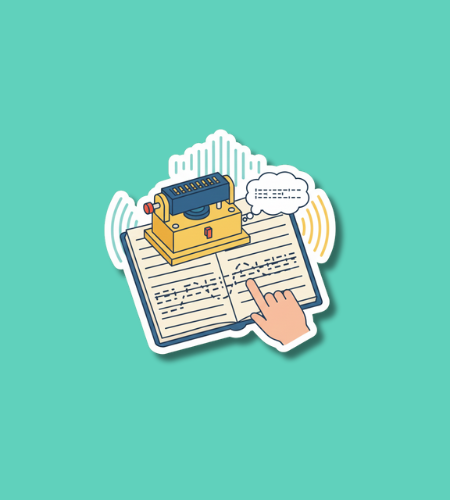
Learn Your Name In Morse Code Day is observed on January 11 every year. This educational event encourages people to engage with the historical system of dots and dashes that once served as the primary method for long-distance communication. By learning to encode and decode their own names, participants connect with a legacy of innovation and preserve a skill that is no longer a standard requirement in modern technology. The day provides a low-pressure entry point for enthusiasts of all ages to explore the basics of telegraphy and the rhythmic language of Morse code. April 27 is also celebrated as Morse Code Day.
Table of Contents
History of Learn Your Name In Morse Code Day
The date of January 11 was chosen to commemorate the first successful public demonstration of the electric telegraph in 1838. On this day, Samuel Morse and his collaborator Alfred Vail operated the device at the Speedwell Ironworks in Morristown, New Jersey. This event proved that complex messages could be transmitted over wires using electrical pulses, effectively changing the speed of global information exchange. While Samuel Morse is the most famous figure associated with the invention, historians often credit Alfred Vail with refining the code into the system of dits and dahs used today.
The modern observance of Learn Your Name In Morse Code Day was established by a woman known as Brownielocks. She created the day in an effort to revitalize interest in the code after it was removed as a mandatory requirement for amateur radio licenses in 2007. There was a growing concern that without intentional practice, the knowledge of Morse code would eventually vanish as older operators passed away. Since its creation, the day has gained popularity in schools and libraries as a way to combine history with a hands-on logic activity.
Why is Learn Your Name In Morse Code Day important?
Morse code represents a pivotal chapter in human history where information began to travel faster than the speed of a horse. Understanding this system allows people to appreciate the foundations of the digital age, as the binary-like nature of dots and dashes is a direct ancestor to modern computing. It serves as a reminder of a time when communication required deep focus and active listening, skills that are often overlooked in the era of instant messaging. By practicing the code, individuals engage in a mental exercise that sharpens pattern recognition and memory.
Beyond its historical value, Morse code remains a versatile tool for emergency situations where standard communication devices might fail. It can be transmitted through sound, light, or even tactile tapping, making it a universal method for signaling distress. The day is important because it makes this potentially life-saving skill accessible and fun rather than intimidating. It also honors the millions of signalmen, sailors, and telegraphists who relied on these signals to bridge gaps across oceans and battlefields.
- Learning the code helps improve cognitive focus and memory skills
- It preserves a vital piece of communication history for future generations
- Morse code can be used as a secret language among friends or family
- The system is a reliable backup for communication during power outages
- Practicing dots and dashes provides a unique rhythmic and auditory challenge
How to Observe Learn Your Name In Morse Code Day
The most common way to observe this day is by using a Morse code chart to translate each letter of a first and last name into dits and dahs. You can write the symbols on a piece of paper or type them out to see how a specific identity looks in code. Many people take it a step further by learning the rhythm of their name through tapping on a table or using a flashlight to pulse the signals. This hands-on approach makes the abstract symbols feel more tangible and easier to remember over time.
For a more creative celebration, you can craft Morse code jewelry using two different colors or shapes of beads to represent the dots and dashes. This allows you to wear your name as a hidden message that only those who know the code can read. Teachers and parents often organize treasure hunts where clues are written in code, requiring children to decode the message to find the next location. Sharing a coded name on social media is another way to spark interest and encourage others to try the activity.
- Print out a Morse code chart and translate your full name
- Make a bracelet using beads to spell out a secret message
- Practice sending your name to a friend using a flashlight at night
- Tap out the rhythm of your name on a desk or hard surface
- Use an online translator to hear how your name sounds in audio pulses
Learn Your Name In Morse Code Day Dates Table
| Year | Date | Day |
|---|---|---|
| 2026 | January 11 | Sunday |
| 2027 | January 11 | Monday |
| 2028 | January 11 | Tuesday |
| 2029 | January 11 | Thursday |
| 2030 | January 11 | Friday |
Subscribe to our newsletter and never miss a holiday again!