
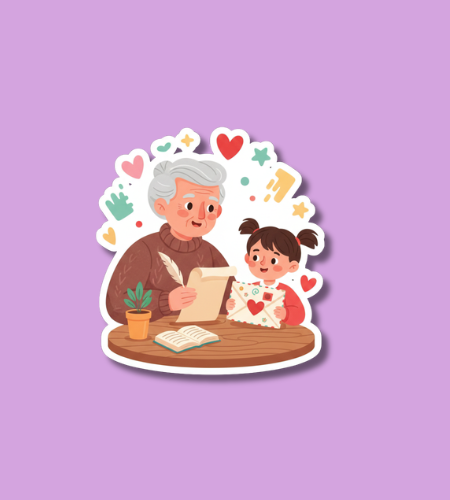
Letter to an Elder Day is celebrated every year on February 26. This heartfelt holiday focuses on bridging the generational gap by encouraging people to send handwritten letters to older adults. The primary goal is to combat the “loneliness epidemic” among seniors, particularly those living in assisted care facilities or isolated at home. By putting pen to paper, participants provide a tangible reminder to the elderly that they are valued, respected, and remembered by their community.
Table of Contents
History of Letter to an Elder Day
The holiday was founded in 2020 by Jacob Cramer, the creator of the nonprofit organization Love For Our Elders. The inspiration for the day began years earlier when Cramer started volunteering at a local senior living community after the loss of his grandfather. Initially known by the residents as “Bingo Boy,” he soon discovered that many seniors rarely received mail or visitors. He began writing personal letters to brighten their spirits, transitioning his role to “Letter Boy.” Realizing the deep impact these small gestures had on the residents’ well-being, he established his nonprofit in 2013 to facilitate letter-writing on a global scale.
Cramer officially designated February 26 as the annual date for Letter to an Elder Day to coincide with the birthday of his grandmother, Doris. He chose this date to honor her tradition of sending him heartfelt, handwritten notes that he cherished throughout his life. Since its launch, the day has gained significant recognition from organizations like the United States Postal Service and Hallmark. It has grown into an international movement with thousands of participants across dozens of countries, proving that a simple piece of mail can serve as a powerful tool for social connection.
Why is Letter to an Elder Day important?
This day is vital because it addresses a serious public health crisis: social isolation among the elderly. Research indicates that nearly one-third of adults aged 65 and older experience chronic loneliness, which is linked to higher risks of heart disease, depression, and cognitive decline. For many seniors, especially those who do not use digital technology, the arrival of a handwritten letter provides a rare and exciting connection to the outside world. Unlike a fleeting phone call, a physical letter can be kept, displayed, and reread whenever the recipient needs an emotional boost.
Beyond the emotional benefits, the holiday promotes the preservation of a fading art form. Handwritten communication requires a level of patience and intentionality that digital messaging lacks. For the sender, the act of writing fosters empathy and encourages them to slow down and think deeply about another person’s perspective. For the receiver, the letter provides cognitive stimulation and a sense of dignity. By participating in this day, communities reinforce the idea that their eldest members are not forgotten burdens but are instead cherished “custodians of history” who deserve our time and attention.
- It provides a low-cost way to improve the mental health of isolated seniors.
- The holiday encourages youth to develop better communication and literacy skills.
- Handwritten letters act as a therapeutic “balm” against senior anxiety and stress.
- It helps maintain the cognitive agility of elders who enjoy reading and responding.
- The day strengthens community bonds by connecting strangers through simple kindness.
How to Observe Letter to an Elder Day
The best way to observe this day is to sit down with high-quality stationery and write a sincere letter to an older adult in your life. This could be a grandparent, a former teacher, or a retired neighbor who might appreciate a surprise in their mailbox. If you do not know a senior personally, organizations like Love For Our Elders provide “bios” of elders who have requested mail. When writing, focus on sharing small, ordinary stories about your day or asking simple questions about their favorite memories. The tone should be warm, respectful, and free of controversial topics.
Creativity adds a special touch to these messages, making them even more delightful to receive. Many participants include drawings, pressed flowers, or small items like crossword puzzles to give the recipient an extra activity to enjoy. If you have children, encourage them to contribute their own illustrations, as seniors often find great joy in the uninhibited creativity of younger generations. The goal is not to write a perfect literary masterpiece, but to show up authentically on the page. Once finished, a trip to the post office to mail the letter serves as the final, satisfying act of the holiday.
- Use large, legible print to ensure the letter is easy for seniors to read.
- Share a joke, a riddle, or a favorite uplifting quote to provide a smile.
- Avoid assuming the recipient is lonely; focus on positive connection instead.
- Include a return address if you are open to starting a long-term pen pal relationship.
- Organize a “letter-writing party” at your school or workplace to increase the impact.
Letter to an Elder Day Dates Table
| Year | Date | Day |
|---|---|---|
| 2026 | February 26 | Thursday |
| 2027 | February 26 | Friday |
| 2028 | February 26 | Saturday |
| 2029 | February 26 | Monday |
| 2030 | February 26 | Tuesday |
Subscribe to our newsletter and never miss a holiday again!