
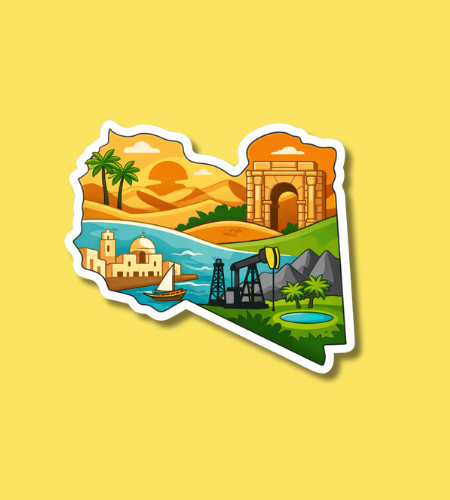
Libya Independence Day is a national holiday commemorating the country’s liberation from colonial rule, celebrated annually on December 24. This day marks a pivotal moment in North African history when the nation became a sovereign kingdom after decades of foreign occupation.
Table of Contents
History of Libya Independence Day
The road to Libyan independence was unique in international diplomacy, as it was the first country to achieve sovereignty through a resolution by the United Nations. After World War II, the territory was administered by Britain and France following the defeat of Italy, the former colonial power. On November 21, 1949, the UN General Assembly passed a resolution stating that Libya should become independent before January 1, 1952.
On December 24, 1951, King Idris I appeared on the balcony of the Al Manar Palace in Benghazi to officially proclaim the independence of the United Kingdom of Libya. This declaration unified the three historic regions of Tripolitania, Cyrenaica, and Fezzan under a single federal government. The event marked the end of an era of colonization and military administration, establishing Libya as a free and sovereign state within the international community.
Why is Libya Independence Day important?
This day serves as a powerful symbol of national unity and identity for the Libyan people. In a country that has experienced significant political fragmentation and conflict, Independence Day offers a reminder of the common bond shared by all citizens across different regions and tribes. It honors the resilience of the ancestors who resisted Italian colonization and the diplomatic efforts that secured the nation’s freedom without a prolonged war of independence during the post-WWII era.
Furthermore, the holiday reinforces the value of self-determination and sovereignty. It provides an opportunity to reflect on the challenges of state-building and the importance of maintaining a cohesive national structure. For the younger generation, it is a day to learn about the founding figures of the state and the historical context that shaped modern Libya, fostering a sense of pride in their heritage.
- It commemorates the unification of the country’s three regions.
- The day honors the struggle against foreign colonial rule.
- It celebrates Libya as the first UN-created independent state.
- Citizens reflect on the value of national sovereignty.
- It promotes a sense of shared identity among diverse communities.
How to Celebrate Libya Independence Day
Celebrations are typically public and communal, with major cities like Tripoli and Benghazi hosting large gatherings in central squares. Martyrs’ Square in Tripoli often becomes the focal point, filled with citizens waving the national flag—red, black, and green with a white crescent and star. The atmosphere is generally festive, featuring speeches by local leaders, parades involving scouts or uniformed services, and evening fireworks displays that light up the Mediterranean coast.
Families also observe the day by gathering for large meals, often preparing traditional dishes like bazin (a barley dough served with sauce) or couscous. It is common for people to decorate their cars and homes with flags and lights. Cultural centers and schools may organize exhibitions or poetry readings that highlight Libyan history, focusing on the struggle for freedom and the cultural richness of the nation.
- Attend public flag-raising ceremonies in city squares.
- Decorate homes and vehicles with the national flag.
- Gather with family for a traditional meal of bazin.
- Watch fireworks displays in major urban centers.
- Participate in cultural events recounting national history.
Libya Independence Day Dates Table
| Year | Date | Day |
|---|---|---|
| 2026 | December 24 | Thursday |
| 2027 | December 24 | Friday |
| 2028 | December 24 | Sunday |
| 2029 | December 24 | Monday |
| 2030 | December 24 | Tuesday |
Subscribe to our newsletter and never miss a holiday again!