
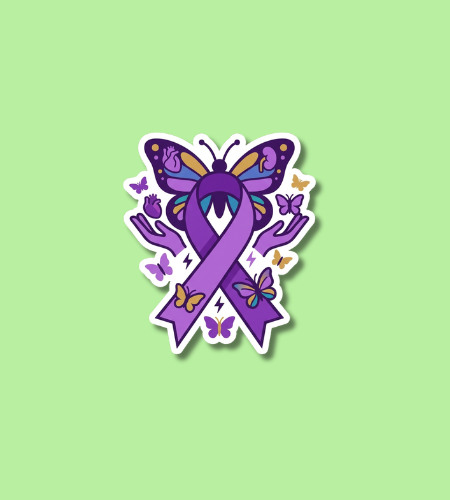
Lupus Alert Day is a critical health awareness event observed annually on April 1 to bring attention to the complexities of lupus, a chronic autoimmune disease. This day marks the beginning of a month-long effort to educate the public about the symptoms and challenges faced by millions of individuals living with this condition worldwide. Because lupus is often called “the great imitator” due to its ability to mimic other illnesses, the alert day serves as a vital reminder for early diagnosis and medical intervention. By increasing visibility for this often-invisible disability, the holiday encourages a more supportive environment for patients while pushing for greater scientific research into effective treatments and an eventual cure. It is a day of action where health organizations and advocates unite to ensure that no one has to battle the physical and emotional toll of the disease in silence or without proper care.
Read also about American Diabetes Alert Day
Table of Contents
History of Lupus Alert Day
The history of this observance is tied to the advocacy work of the Lupus Foundation of America, which officially established the day in 2000. The foundation recognized a significant gap in public knowledge regarding systemic lupus erythematosus (SLE), the most common form of the disease. At the time, many patients suffered for years without a correct diagnosis because the general population and even some medical professionals were not fully aware of the varied warning signs. The launch of the alert day was designed to “sound the alarm” and provide people with the tools to recognize symptoms before severe organ damage occurred.
Over the last two decades, the day has evolved alongside advancements in rheumatology and immunology. In the mid-20th century, a diagnosis of lupus often carried a very poor prognosis, but the introduction of corticosteroids and later, targeted biologic therapies, has significantly improved life expectancy and quality of life. The 2000s marked a turning point in advocacy, as digital platforms allowed the foundation to reach a global audience with their “Lupus Checklist” and educational campaigns. Today, Lupus Alert Day is recognized as the precursor to World Lupus Day in May, acting as the domestic kick-off for a season of heightened medical awareness and fundraising for a cure.
Why is Lupus Alert Day important?
This day is important because it highlights a disease that affects an estimated 1.5 million Americans and at least five million people globally, yet remains widely misunderstood. Lupus causes the immune system to attack healthy tissue, leading to inflammation and damage in the joints, skin, kidneys, heart, and lungs. Because 90% of those living with lupus are women—particularly women of color—the day also serves to address disparities in healthcare and the need for focused research on how the disease impacts different demographics. By promoting the “alert” aspect, the holiday directly contributes to earlier detection, which is the most effective way to prevent long-term complications like kidney failure.
Furthermore, the observance provides an essential emotional support network for those navigating the “lupus fog” and chronic fatigue that often accompany the illness. It validates the experiences of patients whose symptoms may not be visible to the naked eye, reducing the social stigma and isolation that can occur with chronic conditions. The day also serves as a legislative call to action, urging policymakers to increase funding for the National Institutes of Health (NIH) and other research bodies. By bringing the “invisible” into the spotlight, Lupus Alert Day fosters a community of resilience and hope for a future where the disease can be managed as effectively as any other chronic health issue.
- It encourages people to take a symptom checklist to their doctors for early screening.
- The day raises funds for the development of new, less toxic medical treatments.
- It educates the public that lupus is not contagious and cannot be “caught.”
- Advocacy efforts help secure workplace and school accommodations for patients.
- The observance honors the memory of those who have lost their lives to the disease.
How to Celebrate Lupus Alert Day
Observing this day is primarily centered on education and the visible show of solidarity with the lupus community. The most common way to participate is by “putting on purple,” the official color of lupus awareness, whether through clothing, ribbons, or digital profile frames. Many people spend the day sharing factual graphics and personal stories on social media to help dispel myths about the condition. Health clinics and community centers often host “Lunch and Learn” sessions where medical experts discuss the latest research and answer questions from the public about autoimmune health.
For those looking to take a more active role, participating in a “Walk to End Lupus Now” or organizing a local fundraiser is a popular choice. These events not only raise money but also create a sense of belonging for patients and their families. Taking the “Lupus Awareness Quiz” provided by major foundations is another simple but effective way to observe the day and test your own knowledge. Whether you are donating to research, wearing a purple shirt, or simply learning about the “butterfly rash” and other warning signs, your participation helps build a world that is more informed and compassionate toward those living with lupus.
- Wear purple clothing or accessories to show your support for patients.
- Share a link to a reputable lupus symptom checker on your social media.
- Make a donation to a foundation dedicated to autoimmune disease research.
- Attend a virtual webinar or local seminar about managing chronic illness.
- Light up your home or office with purple bulbs to spark conversations with neighbors.
Lupus Alert Day Dates Table
| Year | Date | Day |
|---|---|---|
| 2026 | April 1 | Wednesday |
| 2027 | April 1 | Thursday |
| 2028 | April 1 | Saturday |
| 2029 | April 1 | Sunday |
| 2030 | April 1 | Monday |
Subscribe to our newsletter and never miss a holiday again!