
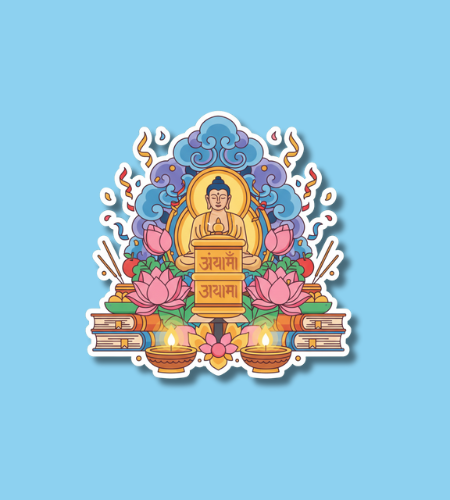
Mahayana New Year is observed on the first full moon day of January. This festival is a primary observance for followers of the Mahayana branch of Buddhism, which is widely practiced throughout Northeast Asia. Unlike other Buddhist traditions that may follow specific regional lunar calendars, this particular date aligns with the first lunar cycle of the Gregorian year for many practitioners. It serves as a time for individuals to reset their spiritual intentions and focus on the path toward enlightenment for all sentient beings.
Table of Contents
History of Mahayana New Year
Mahayana Buddhism, or the “Great Vehicle,” began to emerge as a distinct movement in India between the 1st century BCE and the 1st century CE. It distinguished itself by emphasizing the Bodhisattva path, where practitioners seek enlightenment not just for themselves but to help all others escape the cycle of suffering. As the teachings spread along the Silk Road, they reached China, Korea, Japan, and Vietnam, where local cultures and philosophies integrated with Buddhist principles. This expansion created a diverse range of traditions, including Zen, Pure Land, and Tibetan Buddhism, each contributing unique perspectives to the new year celebration.
The specific timing of the New Year reflects the historical transition from ancient Indian calendars to the varied lunar and solar systems used across Asia. While Theravada countries in Southeast Asia often celebrate in April, Mahayana practitioners established their own cycle of merit-making and renewal. Over centuries, the first full moon of the year became a significant marker for practitioners to gather at monasteries. The day commemorates the life of the Buddha and emphasizes the accessibility of Nirvana to the lay population, moving beyond the monastic-centric focus of earlier traditions.
Why is Mahayana New Year important?
The Mahayana New Year is significant because it reinforces the core belief that enlightenment is attainable within a single lifetime for any dedicated practitioner. It centers on the concept of “Sunyata” or emptiness, which teaches that all things are interconnected and lack a permanent, independent self. This understanding encourages followers to let go of ego-driven desires and past grievances at the start of the year. By focusing on these metaphysical truths, participants aim to cultivate a mind that is clear, compassionate, and ready to serve others in the coming months.
This observance also plays a practical role in community cohesion and ethical conduct. It is viewed as an auspicious window to perform merit-making activities, which are believed to generate positive karma and influence future rebirths. Practitioners use the day to reflect on their past actions, acknowledging mistakes without self-judgment to ensure they do not repeat them. This process of self-correction is seen as a necessary step for spiritual progress and for maintaining harmony within the family and the broader Buddhist community.
- It honors the possibility of universal enlightenment for all living beings
- The day marks a transition to a new cycle of spiritual practice
- Reflection on past karma allows for a fresh ethical start
- It highlights the Bodhisattva ideal of compassion and selfless service
- The holiday unites diverse Northeast Asian cultures under shared values
How to Celebrate Mahayana New Year
Observing the Mahayana New Year typically involves visiting a local temple to participate in communal chanting and prayer. A central ritual is the ceremonial bathing of the Buddha, where devotees pour scented water over a small statue of the infant Buddha to symbolize the cleansing of their own minds from greed, anger, and ignorance. Many families also take the time to clean their homes thoroughly and decorate them with flowers and lanterns. These physical actions are intended to mirror the internal process of removing spiritual obstacles and inviting clarity into one’s life.
Generosity and charity are fundamental components of the day’s activities. Laypeople bring offerings of food, incense, and new robes to monks and nuns, recognizing their role as spiritual guides and mentors. In return, the monastic community often provides teachings or leads meditation sessions focused on mindfulness and the Four Noble Truths. Many people also perform acts of kindness for the less fortunate, such as donating to shelters or providing meals to neighbors. The day concludes with vegetarian feasts and, in many regions, the release of lanterns or fireworks to symbolize the light of wisdom dispelling the darkness of ignorance.
- Bathe a statue of the Buddha with scented water or tea
- Attend a temple service to engage in meditation and chanting
- Offer food or essential items to the local monastic community
- Clean and decorate your living space to symbolize a fresh start
- Practice intentional acts of charity to generate positive karma
Subscribe to our newsletter and never miss a holiday again!