
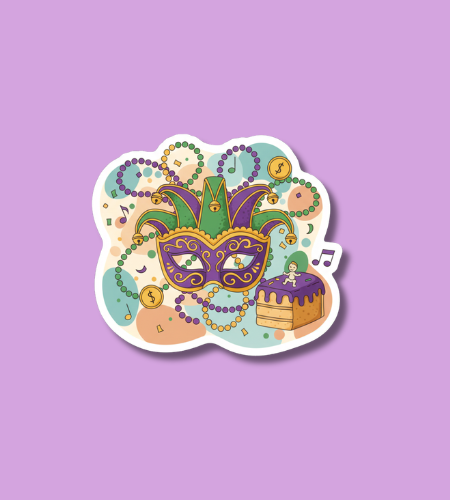
Mardi Gras is a vibrant international celebration observed on the day before Ash Wednesday. In 2026, the celebration falls on February 17. Known also as Fat Tuesday, this day marks the culmination of the Carnival season and serves as the final period of indulgence before the fasting and sacrifices of Lent begin. While its timing shifts every year based on the date of Easter, its central purpose remains a vibrant display of music, costumes, and feasting.
While the festival has deep roots in French tradition, it is celebrated globally under various names like Fat Tuesday or Pancake Day. It serves as the festive conclusion to the Carnival season, marking a final day of feasting and indulgence before the reflective period of Lent begins.
Table of Contents
History of Mardi Gras
The roots of Mardi Gras trace back to ancient Roman spring and fertility rites, which were later adapted by Christian leaders in medieval Europe. In France, the day became known as “Boeuf Gras,” or fatted calf, referring to the custom of parading a bull through the streets as a symbol of the last meat meal before Lent. French explorers Pierre Le Moyne d’Iberville and Jean-Baptiste Le Moyne de Bienville brought the tradition to North America in 1699, naming their landing spot near the Mississippi River “Pointe du Mardi Gras.”
Mobile, Alabama, held the first organized Mardi Gras celebration in the United States in 1703. As New Orleans was established and grew, it became the primary hub for the holiday’s most elaborate customs. In 1857, the Mistick Krewe of Comus introduced themed floats and secret social clubs, known as krewes, which fundamentally changed the celebration from a simple feast into a series of massive public processions. By 1872, the official colors of purple, green, and gold were established to honor a visiting Russian Grand Duke.
Why is Mardi Gras important?
Mardi Gras functions as a cultural and social release valve, allowing for public creativity and shared joy within the community. It preserves a unique blend of French, Spanish, African, and Caribbean heritages, particularly in the Gulf Coast region of the United States. The holiday supports a vast network of local artists, musicians, and craftsmen who spend the entire year preparing the intricate floats and costumes seen during the parade season.
The celebration also emphasizes the concept of “masking,” which historically allowed people from different social classes and backgrounds to mingle freely without judgment. Today, this tradition continues as a way to promote equality and anonymity during the festivities. Beyond the parades, the holiday is a vital economic driver for cities like New Orleans, where the sale of king cakes, beads, and hospitality services generates significant revenue and supports thousands of jobs.
- The holiday marks the transition from winter indulgence to springtime reflection.
- It keeps historic handicraft skills like float building and mask making alive.
- The official colors represent the values of justice, faith, and power.
- Community krewes foster long-term social bonds through year-round planning.
- Public parades provide free entertainment and cultural education for all residents.
How to Celebrate Mardi Gras
Celebrating Mardi Gras involves participating in local parades and sharing traditional foods with neighbors. The most iconic food is the king cake, a ring of brioche dough covered in colorful sugar. Inside each cake is a small plastic baby; the person who finds the baby in their slice is tasked with hosting the next party or buying the next cake. Many families also prepare Creole and Cajun staples like jambalaya or gumbo to enjoy before the Lenten fast begins.
Spectators at parades often wear masks and costumes to fully immerse themselves in the spirit of the day. As floats pass by, people shout “Throw me something, Mister!” to catch trinkets, beads, and doubloons tossed by krewe members. For those celebrating at home, decorating with the traditional colors of purple, green, and gold and playing New Orleans-style jazz music can recreate the festive atmosphere.
- Buy or bake a king cake and share it with friends to see who finds the hidden baby.
- Wear festive purple, green, and gold beads to show your holiday spirit.
- Attend a local parade or community street festival to watch the decorated floats.
- Prepare a traditional meal of red beans and rice or spicy jambalaya.
- Craft a personalized masquerade mask using feathers, sequins, and glitter.
Subscribe to our newsletter and never miss a holiday again!