
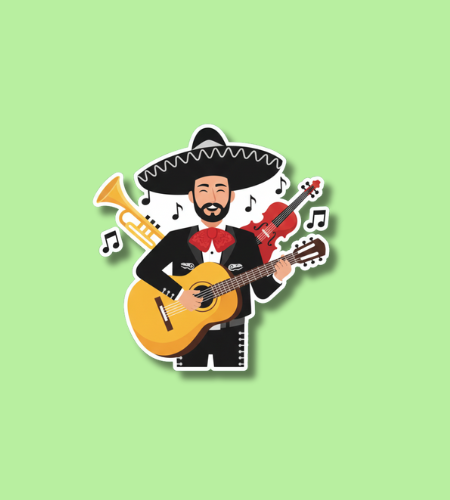
Mariachi Day is observed annually on January 21. This cultural holiday honors the traditional Mexican music genre that has become a global symbol of national identity and artistic pride. The day recognizes the skilled musicians who keep this heritage alive through their mastery of specific instruments, vocal harmonies, and the iconic charro attire. It serves as an invitation for people worldwide to appreciate the emotional depth of mariachi, which ranges from celebratory and high-energy rhythms to soulful, romantic ballads.
Table of Contents
History of Mariachi Day
Mariachi music originated in the 18th century in the rural regions of Western Mexico, particularly in the state of Jalisco. It began as a folk tradition among farmers and laborers who played string instruments such as the vihuela, a five-string guitar, and the guitarrón, a large acoustic bass. In its earliest form, mariachi was the music of the common people, performed at local festivals and religious ceremonies. By the 19th century, the genre began to move from rural fields into urban centers, where it started to incorporate European influences like waltzes and polkas.
The modern image of the mariachi emerged in the early 20th century following the Mexican Revolution. The government promoted the music as a unifying national symbol, and trumpets were added to the ensemble to give it a more powerful sound for radio and cinema. During the Golden Age of Mexican Cinema, mariachi gained international fame as performers adopted the traje de charro, the elegant embroidered suit of the Mexican horseman. A significant milestone occurred in 2011 when UNESCO added mariachi music to its Representative List of the Intangible Cultural Heritage of Humanity, which helped formalize the annual celebration on January 21. 1
Why is Mariachi Day important?
Mariachi is a fundamental pillar of Mexican culture that facilitates social connection during life’s most significant milestones. It is the primary music used for serenatas, where a musician conveys messages of love or apology under a window, as well as for baptisms, weddings, and funerals. The lyrics often portray a deep love for the land, local history, and the strength of the community, helping to preserve the Spanish language and various indigenous dialects. By celebrating this day, society acknowledges the role of musicians as custodians of a living history that connects past generations with the present.
The holiday also highlights the immense technical skill required to perform in a mariachi ensemble. Unlike many other genres, mariachi often lacks a single lead singer; instead, members rotate vocal duties depending on the song’s emotional requirements. The music relies on a complex mixture of rhythmic patterns known as sones, which require perfect synchronization between the violins, trumpets, and guitars. Recognizing Mariachi Day supports the educational programs and festivals that ensure young musicians continue to learn these traditional techniques by ear, maintaining the vitality of the genre for the future.
- Mariachi music is officially recognized by UNESCO as a cultural treasure.
- The genre acts as a vital link to Mexico’s colonial and revolutionary history.
- Ensembles provide a unique blend of indigenous and European musical elements.
- Most mariachi groups are family-based, passing skills from parents to children.
- The music serves as a major source of national pride and tourism revenue.
How to Celebrate Mariachi Day
The best way to observe this day is to experience a live performance by a local mariachi band. Many Mexican restaurants and community centers host special events on January 21 where musicians perform traditional favorites like “La Bamba” or “Las Mañanitas.” If a live show is not available, you can create a digital playlist featuring legendary groups such as Mariachi Vargas de Tecalitlán. Learning about the specific instruments used, such as the high-pitched vihuela or the deep-toned guitarrón, adds another layer of appreciation to the listening experience.
Supporting mariachi education is another meaningful way to participate in the holiday. Many schools and non-profit organizations offer mariachi programs for youth, and donations or attendance at their recitals help fund instruments and costumes. You can also celebrate by sharing the history of the genre on social media or by watching a classic film from the Golden Age of Mexican Cinema that features traditional music. Engaging with the culture through food and music with friends helps spread the festive spirit and honors the craftsmanship of the performers.
- Attend a local concert or community festival featuring mariachi performers.
- Learn to identify the unique sound of the guitarrón in a musical arrangement.
- Tip street performers or hired bands generously to support their livelihood.
- Watch a documentary about the evolution of the charro suit and its meaning.
- Share a video of your favorite mariachi song with someone who has never heard it.
Mariachi Day Dates Table
| Year | Date | Day |
|---|---|---|
| 2026 | January 21 | Wednesday |
| 2027 | January 21 | Thursday |
| 2028 | January 21 | Friday |
| 2029 | January 21 | Sunday |
| 2030 | January 21 | Monday |
Subscribe to our newsletter and never miss a holiday again!