
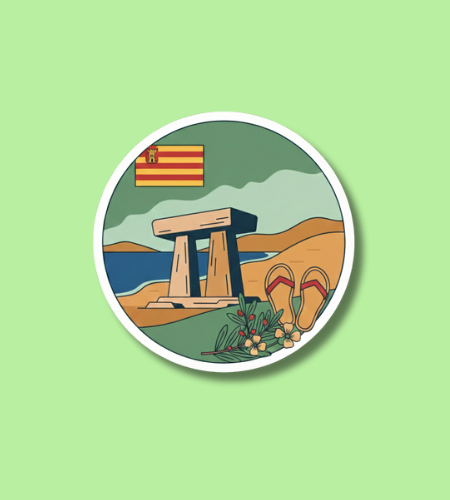
Menorca National Day, known locally as the Diada del Poble de Menorca, is celebrated on January 17. This holiday commemorates the reconquest of the island by the Crown of Aragon in 1287, marking its integration into Western Christian culture.
Table of Contents
History of Menorca National Day
The historical origin of this day centers on the military campaign led by King Alfonso III of Aragon. For nearly four centuries, Menorca had been under Islamic rule, operating as a tributary state after the nearby island of Mallorca fell to Christian forces. On January 17, 1287, Alfonso III’s troops entered the city of Mahon, finalizing the conquest. This event shifted the island’s political, linguistic, and religious trajectory, as it was subsequently repopulated with settlers from Catalonia, bringing the Catalan language and customs that define the island today.
While the historical event occurred in the 13th century, the modern institutionalization of the holiday is more recent. The General Council of Menorca officially established the Diada in 1981 to coincide with the feast day of Saint Anthony, who had been the island’s patron since the time of the conquest. The day serves as a dual celebration: a religious tribute to the saint and a secular commemoration of Menorcan identity. It highlights the end of the Middle Ages on the island and the beginning of its modern European history.
Why is Menorca National Day important?
This day is vital because it reinforces the distinct cultural and historical identity of the Menorcan people within the Balearic archipelago. It is a time for residents to reflect on their unique heritage, which has been shaped by various Mediterranean civilizations over millennia. The observance emphasizes the preservation of the Menorcan dialect of Catalan and traditional island customs, ensuring these elements remain central to the community’s public life and education.
Beyond historical remembrance, the day fosters a sense of social cohesion across the island’s municipalities. It provides an opportunity for local government officials and citizens to discuss the current challenges facing the island, such as environmental preservation and sustainable tourism. By celebrating their shared past, Menorcans strengthen their collective voice and reaffirm their commitment to maintaining the island’s autonomy and natural beauty for future generations.
- The day commemorates the 1287 integration into the Crown of Aragon.
- It celebrates Saint Anthony the Abbot as the patron saint of the island.
- The observance promotes the continued use of the Menorcan language.
- It serves as a symbolic marker of the island’s self-governance and pride.
- The holiday links the island’s medieval past to its modern democratic identity.
How to Celebrate Menorca National Day
The most significant tradition of the day is the “Tres Tocs” ceremony held in Ciutadella. During this ritual, a procession moves to the square where the ancient city gates once stood. A representative taps the ground three times with a flagpole to symbolize King Alfonso III’s demand for the city’s surrender. This is accompanied by religious services, where the local clergy and authorities participate in a solemn Mass of thanksgiving in the Cathedral of Menorca.
Throughout the island, towns host street fairs, traditional dance performances, and concerts featuring local musicians. Because Saint Anthony is also the patron saint of animals, many residents bring their pets and livestock to church squares to be blessed by priests. Families often gather to eat “formatjades,” a traditional Menorcan meat or cheese pastry specifically associated with this time of year. Public buildings are frequently draped in the Menorcan flag, and many museums offer free admission to encourage the study of the island’s archaeology and history.
- Watch the symbolic Tres Tocs ceremony in the streets of Ciutadella.
- Bring domestic pets to the local square for the traditional animal blessing.
- Eat traditional formatjades with friends and family during the festivities.
- Attend a concert or a performance of traditional Menorcan folk dancing.
- Visit a local museum to learn about the island’s 13th-century history.
Menorca National Day Dates Table
| Year | Date | Day |
|---|---|---|
| 2026 | January 17 | Saturday |
| 2027 | January 17 | Sunday |
| 2028 | January 17 | Monday |
| 2029 | January 17 | Wednesday |
| 2030 | January 17 | Thursday |
Subscribe to our newsletter and never miss a holiday again!