
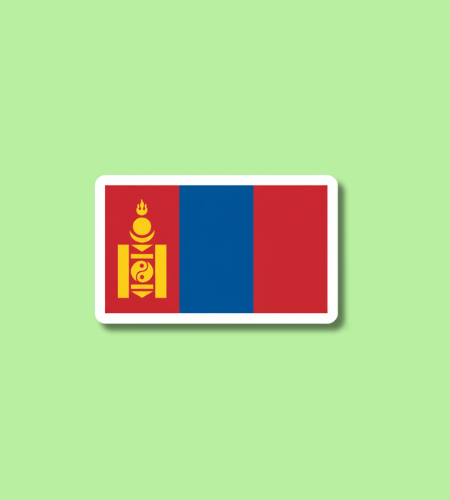
Mongolia Independence Day is celebrated every year on December 29. This national holiday, also known as the Day of Restoration of National Freedom and Independence, honors the end of over two centuries of Manchu rule and the re-establishment of the Mongolian state.
Table of Contents
History of Mongolia Independence Day
The roots of this holiday trace back to the collapse of the Qing Dynasty in the early 20th century. After being a territory of the Manchu-led empire since the late 17th century, Mongolians began a movement for autonomy fueled by dissatisfaction with cultural assimilation policies. When the Xinhai Revolution broke out in China in 1911, Mongolian leaders seized the moment of political instability to declare their sovereignty. On December 29, 1911, the country officially proclaimed its independence, ending 220 years of foreign governance.
Following the declaration, the Eighth Bogd Gegeen, a high-ranking spiritual leader, was enthroned as the Bogd Khan, the political and religious head of the new Bogd Khanate of Mongolia. Although the country faced subsequent challenges, including occupation in 1919 and a later socialist revolution in 1921, the events of 1911 remain the foundational moment for modern Mongolian statehood. The significance of this date was historically overlooked during the socialist era but was officially reinstated as a public holiday by the Mongolian Parliament in 2011 to mark the centenary of the revolution.
Why is Mongolia Independence Day important?
This day represents the survival of Mongolian identity and the restoration of a tradition of statehood that dates back to the era of Genghis Khan. It serves as a reminder of the collective will of the people to maintain their unique culture, language, and nomadic heritage despite centuries of external pressure. By celebrating this event, the nation honors the bravery of the nobles and lamas who orchestrated the 1911 revolution and secured the borders of the modern state.
The holiday provides a dedicated time for citizens to reflect on their country’s sovereignty in a complex geopolitical landscape. It strengthens the sense of national pride among the younger generation, connecting them to the historical figures who fought for the right to self-determination. The observance also highlights the transition of the country from a religious monarchy to a modern democracy, emphasizing the long-term progress made in human rights and political freedom.
- The holiday commemorates the official end of the Qing Dynasty’s administrative control
- It marks the historical transition to the independent Bogd Khanate of Mongolia
- Citizens honor the spiritual and political leadership of the Eighth Bogd Khan
- The date serves as the primary symbol of national revival and political autonomy
- Celebrating helps preserve the distinct nomadic traditions and customs of the Mongol people
How to Celebrate Mongolia Independence Day
Public celebrations are centered in the capital city of Ulaanbaatar, particularly at Sukhbaatar Square. The day often features a ceremonial flag-raising and a state-organized wreath-laying ceremony at the statues of national heroes. Many people attend traditional music concerts and performances that showcase “khoomei” throat singing and the “morin khuur” horsehead fiddle. High-ranking government officials deliver speeches to the public, focusing on the historical importance of the 1911 revolution and the future of the nation.
On a personal level, families often gather to share traditional meals featuring dishes like “buuz,” which are steamed meat dumplings, and various dairy products. Since the holiday falls during the winter solstice period, many people participate in indoor sports competitions or visit museums to view exhibits related to the Bogd Khanate. It is also common for people to wear their finest “deel,” the traditional Mongolian robe, to public events as a way to express their cultural heritage and national pride.
- Watch the official military parade and flag-raising ceremony in the main square
- Prepare and share steamed dumplings and hot sea buckthorn juice with relatives
- Visit the Bogd Khan Winter Palace Museum to see artifacts from the era
- Wear a traditional deel to public gatherings to show cultural appreciation
- Enjoy evening fireworks displays that take place in major urban centers
Mongolia Independence Day Dates Table
| Year | Date | Day |
|---|---|---|
| 2026 | December 29 | Tuesday |
| 2027 | December 29 | Wednesday |
| 2028 | December 29 | Friday |
| 2029 | December 29 | Saturday |
| 2030 | December 29 | Sunday |
Subscribe to our newsletter and never miss a holiday again!