
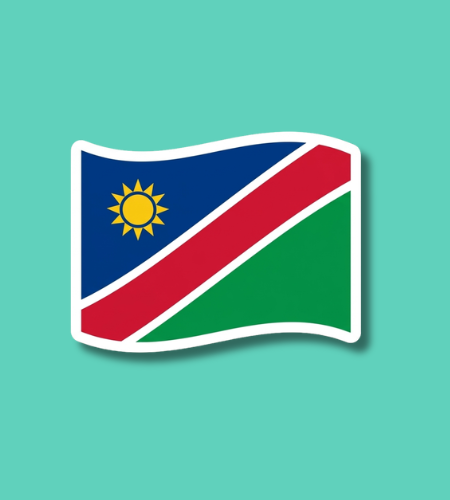
Namibia Independence Day is observed on March 21. This national holiday commemorates the country’s transition to a sovereign state in 1990, ending over a century of foreign rule. It is a day of deep historical significance for the Namibian people, marking the official conclusion of the South African Border War and the birth of a constitutional democracy in Southern Africa.
Table of Contents
History of Namibia Independence Day
The road to sovereignty began in the late 19th century when the region became a German colony known as German South West Africa. Following Germany’s defeat in World War I, the League of Nations granted South Africa a mandate to administer the territory. However, after World War II, South Africa refused to surrender control despite United Nations demands for decolonization. This refusal sparked a decades-long liberation struggle led by the South West Africa People’s Organisation (SWAPO) and its military wing, the People’s Liberation Army of Namibia (PLAN).
By the late 1980s, shifting global politics and international pressure led to a tripartite agreement between South Africa, Angola, and Cuba. This facilitated the withdrawal of foreign troops and paved the way for UN-supervised elections in 1989. On March 21, 1990, the South African flag was lowered for the last time in Windhoek, and Sam Nujoma was sworn in as the first President of the Republic of Namibia. This event ended decades of apartheid-style governance and established Namibia as a multi-party democracy.
Why is Namibia Independence Day important?
This day is vital because it celebrates the resilience and unity of a nation that endured systemic oppression and war. It serves as a reminder of the sacrifices made by activists, soldiers, and ordinary citizens who fought for the right to self-determination. The holiday reinforces the values of the Namibian Constitution, which was hailed globally as one of the most progressive documents of its time, protecting fundamental human rights and freedoms for all citizens regardless of race or ethnicity.
Beyond political freedom, the anniversary highlights the country’s commitment to national reconciliation and peace. It provides a platform to reflect on the progress made in education, infrastructure, and economic development since 1990. The day fosters a sense of shared identity among the country’s diverse linguistic and ethnic groups, focusing on a common future. It also allows the international community to recognize Namibia’s stable governance and its role as a peaceful neighbor in the Southern African Development Community (SADC).
- It honors the heroes and heroines of the long liberation struggle.
- The day marks the official birth of the Republic of Namibia.
- It celebrates the end of foreign colonial and apartheid rule.
- The holiday promotes national unity and the spirit of reconciliation.
- It highlights Namibia’s achievements as a stable constitutional democracy.
How to Observe Namibia Independence Day
Observing this holiday typically involves attending official state ceremonies, which are hosted in a different regional capital each year to ensure national participation. These events feature military parades, the raising of the national flag, and keynote addresses by the President and other top government officials. Many citizens dress in the colors of the Namibian flag—red, blue, green, white, and gold—or wear traditional cultural attire to showcase their heritage during public festivities and stadium events.
On a more personal level, families often gather for traditional meals and community performances that feature music and dance. Schools and local organizations use the day to educate younger generations about the history of the struggle through photo exhibitions and storytelling. If you are visiting Namibia, participating in these public celebrations provides a firsthand look at the country’s vibrant culture and civic pride. Sharing messages of peace and prosperity on social media is also a popular way for the Namibian diaspora to connect with their homeland.
- Attend a national or regional parade featuring the Namibian Defence Force.
- Display the national flag at your home or place of business.
- Listen to the President’s annual Independence Day address to the nation.
- Participate in cultural festivals showcasing traditional music and dance.
- Visit historical sites or museums to learn about the decolonization process.
Namibia Independence Day Dates Table
| Year | Date | Day |
|---|---|---|
| 2026 | March 21 | Saturday |
| 2027 | March 21 | Sunday |
| 2028 | March 21 | Tuesday |
| 2029 | March 21 | Wednesday |
| 2030 | March 21 | Thursday |
Subscribe to our newsletter and never miss a holiday again!