
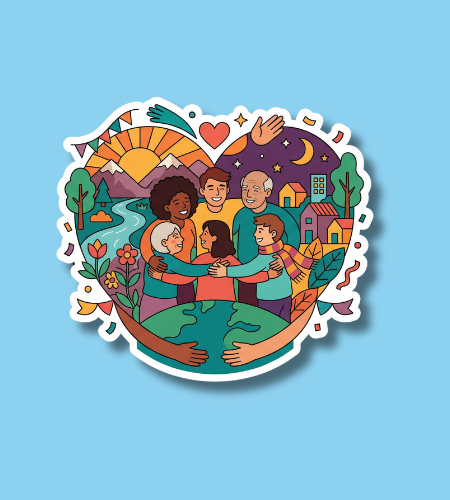
National All is Ours Day is observed on April 8. This holiday encourages people to shift their perspective from a mindset of scarcity to one of abundance and shared appreciation. It is a day to realize that while we may not “own” the parks, the sunshine, or the stars in a legal sense, these wonders of the world belong to everyone to enjoy and cherish equally.
Read also about Positive Thinking Day
Table of Contents
History of National All is Ours Day
The specific origins of National All is Ours Day are not tied to a single historical event or a legislative act, but the holiday has long been part of the American calendar of “unofficial” observances. It likely emerged as a grassroots movement to promote gratitude and mindfulness. The day is traditionally divided into three parts: a time to reflect on the beauty of nature, a time to appreciate the architecture and public spaces in our communities, and a time to recognize the wealth of our personal relationships.
Historically, the concept of “all is ours” is a philosophical one, suggesting that the true value of the world lies in our ability to experience it rather than our ability to possess it. By designating April 8 for this purpose, founders intended to push back against the stress of modern consumerism. Over the years, the day has become popular among educators and life coaches as a tool for teaching children and adults how to find contentment in the public commons—the shared resources like libraries, national forests, and city squares that define our collective life.
Why is National All is Ours Day important?
This day is important because it promotes mental well-being through the practice of collective gratitude. In a society often focused on individual ownership and competition, “All is Ours Day” reminds us that the most profound experiences are often free and accessible to all. When we view the local park or a beautiful sunset as “ours,” we develop a deeper sense of responsibility toward protecting these shared resources. This shift in thinking can reduce feelings of envy and isolation, replacing them with a sense of belonging to a larger community.
The observance also highlights the importance of public infrastructure and environmental conservation. It serves as a reminder that the quality of our lives is significantly improved by things we do not personally buy, such as clean air, public art, and safe walking trails. By celebrating these assets, the holiday encourages people to support the civic and environmental organizations that maintain them. It reinforces the idea that true wealth is measured by the beauty we can see and the community we can build together.
- It encourages a mindset of abundance and reduces the stress of material competition.
- The day promotes a deeper appreciation for the natural environment and public lands.
- It helps strengthen community ties by focusing on shared spaces and experiences.
- Practicing gratitude on this day can improve overall mood and psychological resilience.
- The holiday reminds us of the value of public goods like libraries and historical monuments.
How to Observe National All is Ours Day
Observing this day is best done by spending time in a place that is open to the public. Take a walk through a local botanical garden, visit a public library, or spend the afternoon at a beach or hiking trail. While you are there, make a conscious effort to view the surroundings as a gift that is yours and everyone around you. This simple change in thought—from “I am visiting this place” to “This place belongs to us”—is the core practice of the holiday.
Another meaningful way to observe the day is to perform a small act of service to improve a shared space. This could involve picking up litter in a local park or donating a book to a community “little library.” Sharing photos of the beautiful public places in your town on social media can also inspire others to appreciate their own neighborhoods. Finally, taking a moment to tell a friend or family member that you appreciate their presence in your life fits the holiday’s theme of recognizing our collective emotional wealth.
- Visit a national or local park and take a mindful walk to appreciate the scenery.
- Spend an hour at your local public library and borrow a book or browse the archives.
- Pick up a piece of litter in your neighborhood to help maintain our shared environment.
- Take a photo of a local landmark or a sunset and share it with a positive message.
- Visit a public museum or art gallery to enjoy the cultural wealth of your community.
National All is Ours Day Dates Table
| Year | Date | Day |
|---|---|---|
| 2026 | April 8 | Wednesday |
| 2027 | April 8 | Thursday |
| 2028 | April 8 | Saturday |
| 2029 | April 8 | Sunday |
| 2030 | April 8 | Monday |
Subscribe to our newsletter and never miss a holiday again!