

National Baked Alaska Day is observed on February 1. This day celebrates a sophisticated dessert famous for its contrasting temperatures, featuring cold ice cream and cake encased in a warm, toasted meringue shell. The holiday highlights the culinary science of insulation, where the air bubbles in the whipped egg whites protect the frozen interior from the heat of the oven. Whether torched by hand or baked at high temperatures, the dish remains a popular choice for celebrations due to its dramatic presentation and unique texture.
Table of Contents
History of National Baked Alaska Day
The most widely accepted origin of the dessert dates back to 1867 at Delmonico’s Restaurant in New York City. Chef Charles Ranhofer created the dish to commemorate the United States’ purchase of the Alaska territory from Russia for $7.2 million. Originally, Ranhofer called the creation “Alaska, Florida,” using the two states to represent the extremes of cold and heat found within the dessert. The name “Baked Alaska” did not become the standard title until it appeared in Fannie Farmer’s Boston Cooking-School Cook Book in 1896.
While Ranhofer popularized the version we know today, the concept of encasing ice cream in a protective layer had earlier roots. American-born physicist Benjamin Thompson, also known as Count Rumford, discovered the heat-resistant properties of beaten egg whites in 1804. His experiments with heat conduction provided the scientific foundation for using meringue as an insulator. Over the following decades, various versions appeared in Europe under names like “Norwegian Omelette,” but the American association with the Alaska purchase eventually turned it into a national culinary icon.
Why is National Baked Alaska Day important?
This day is important because it honors a classic example of culinary innovation and “edible history.” Baked Alaska is more than just a sweet treat; it is a physical representation of a major geopolitical event in American history. By celebrating this day, food enthusiasts keep alive a tradition that transformed a controversial political decision into a masterpiece of fine dining. It serves as a reminder of the creativity found in 19th-century kitchens, where chefs used new scientific discoveries to surprise and delight their guests.
The observance also highlights the technical skills required in professional pastry arts. Achieving the perfect balance of a browned, caramelized exterior and a rock-hard frozen interior requires precision and speed. The day encourages home bakers to test their skills and learn about the insulating properties of common ingredients. Additionally, Baked Alaska remains a staple of “tableside service” in many classic restaurants, and this holiday supports the preservation of theatrical dining experiences that involve flambéing and dramatic presentation.
- It celebrates the intersection of American history and culinary art.
- The day recognizes the scientific discovery of meringue as a thermal insulator.
- It promotes the survival of classic, labor-intensive dessert techniques.
- Awareness helps maintain the legacy of historic American restaurants like Delmonico’s.
- The dish provides a unique sensory experience of simultaneous hot and cold.
How to Celebrate National Baked Alaska Day
The best way to celebrate is to prepare your own version of the dessert at home. Start with a base of sponge cake or pound cake, add a scoop of very firm ice cream, and cover the entire mound with a thick layer of stiffly whipped meringue. You can bake it quickly in a 500°F oven for two minutes or use a kitchen torch to brown the peaks of the meringue. Experimenting with different ice cream flavors, such as peppermint or salted caramel, allows you to put a modern twist on this mid-19th-century classic.
If you prefer not to bake, you can visit a local restaurant that specializes in vintage or “retro” American cuisine. Many upscale steakhouses and classic diners feature Baked Alaska on their dessert menus, often serving it with a dramatic flambé finish using rum or brandy. Sharing the experience with friends makes for a memorable evening, as the arrival of a flaming dessert is always a conversation starter. You can also research the history of the Alaska purchase to better appreciate the context behind the dessert’s unique name.
- Create a homemade version using your favorite flavor of premium ice cream.
- Use a culinary torch to carefully brown the meringue peaks for a professional look.
- Visit a classic restaurant to witness a traditional tableside flambé presentation.
- Share a photo of your tiered dessert on social media to inspire other bakers.
- Try a variation like “Bombe Alaska” which uses a rounded mold for the ice cream.
Baked Alaska dessert recipe
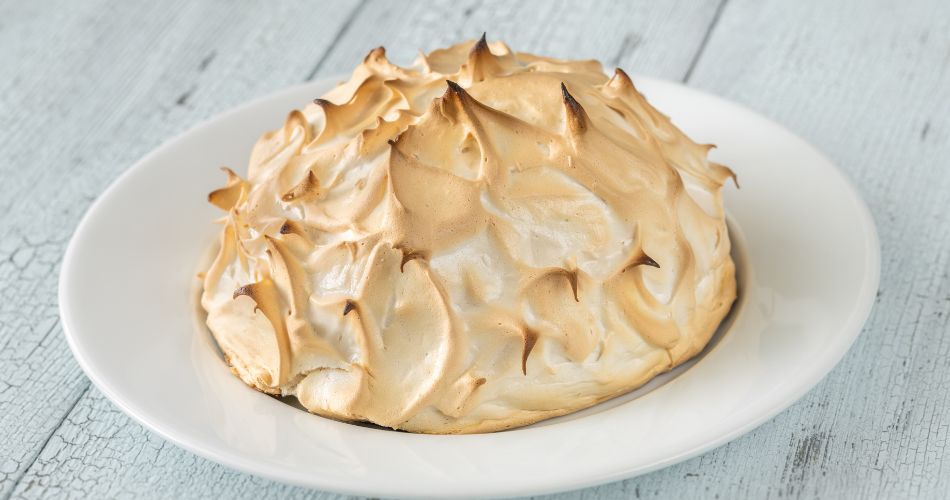
Baked Alaska is a classic, show-stopping dessert that creates a “magic” contrast between a hot, toasted meringue and a frozen ice cream center. The secret lies in the meringue, which acts as an insulator to keep the ice cream from melting in the oven.
Ingredients
- The Base: 1 pre-baked sponge cake (about 1 inch thick).
- The Core: 1.5 liters of ice cream (typically two flavors like vanilla and strawberry).
- The Meringue: * 5 large egg whites (room temperature).
- 1/2 teaspoon cream of tartar.
- 1 cup granulated sugar.
- 1 teaspoon vanilla extract.
Step-by-Step Instructions
1. Mold the Ice Cream
- Line a medium-sized dome bowl with plastic wrap.
- Slightly soften the first flavor of ice cream and spread it into the bowl. Add the second flavor on top.
- Freeze for at least 4 hours (overnight is best) until rock hard.
2. Prepare the Cake Base
- Cut your sponge cake into a circle slightly larger than the diameter of your ice cream bowl.
- Place the cake on a parchment-lined baking sheet or a heat-proof serving platter.
3. Assemble the Core
- Remove the ice cream from the freezer. Invert the bowl onto the cake base and peel off the plastic wrap.
- Immediately put the cake and ice cream back into the freezer while you prepare the meringue.
4. Make the Meringue
- In a clean glass or metal bowl, beat the egg whites and cream of tartar until soft peaks form.
- Gradually add sugar, one tablespoon at a time, beating on high speed until the meringue is glossy and forms stiff peaks. Fold in the vanilla.
5. Cover and “Insulate”
- Take the dessert out of the freezer. Spread the meringue over the ice cream and cake, ensuring it is completely sealed all the way to the bottom (the parchment paper).
- Use a spoon to create decorative peaks and swirls.
6. The Final Blast (Baking)
- Option A (Oven)
Preheat your oven to 230°C (450°F). Bake for 3–5 minutes until the meringue peaks are golden brown. - Option B (Torch)
Use a kitchen blowtorch to evenly brown the meringue for a more controlled finish.
Pro Tips for Success
- Total Insulation
Ensure there are no gaps in the meringue. If any ice cream is exposed, it will leak during baking. - Temperature Matters
The ice cream must be “deep-frozen” (rock hard) before you apply the meringue. - Serve Fast
This dessert must be served immediately after browning.
If you want to add a “wow” factor, you can carefully pour a little warm brandy over the top and light it with a long match just before serving (Flambé style).
National Baked Alaska Day Dates Table
| Year | Date | Day |
|---|---|---|
| 2026 | February 1 | Sunday |
| 2027 | February 1 | Monday |
| 2028 | February 1 | Tuesday |
| 2029 | February 1 | Thursday |
| 2030 | February 1 | Friday |
Subscribe to our newsletter and never miss a holiday again!