
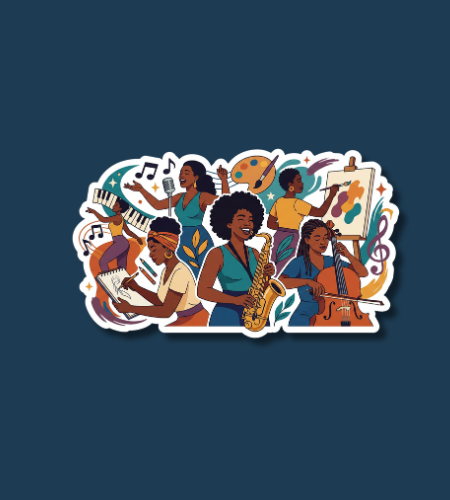
National Black Women in Jazz and the Arts Day is observed on March 1. This day is dedicated to celebrating the profound influence and creative achievements of African American women in jazz and across all artistic disciplines. Strategically held on the first day of Women’s History Month, it serves as an annual recognition of the resilience and talent of Black female artists who have shaped the cultural landscape despite historical systemic barriers.
Read also about International Jazz Day
Table of Contents
History of National Black Women in Jazz and the Arts Day
The origins of this observance trace back to the work of the Black Women in Jazz organization, an entity founded in Georgia. The day was established to provide a specific platform for African American female artists who were frequently overlooked in mainstream histories. While Black women have been central to the development of jazz since its inception, they often faced a “double handicap” of racial and gender discrimination. The creators of the holiday sought to rectify this by highlighting the contributions of singers, instrumentalists, and visual artists who paved the way for future generations.
The inaugural celebration occurred on March 1, 2016, through the initiative of the Black Women in Jazz & the Arts Awards. This organization recognized that while vocalists like Ella Fitzgerald and Billie Holiday gained fame, many Black female instrumentalists and composers remained in the shadows. By formalizing this date, the group ensured that the start of Women’s History Month would begin with a focus on the intersectional experiences of Black women. Over time, the scope of the day has expanded to include literature, dance, and theater, reflecting the diverse ways these women have expressed their identity and advocated for social change.
Why is National Black Women in Jazz and the Arts Day important?
This day is vital because it challenges the male-dominated narratives that have historically defined the jazz genre and the fine arts. For decades, female participation in jazz was often limited to vocal roles, as instrumental performance was viewed as unfeminine. By honoring pioneers like pianist Mary Lou Williams and composer Tania León, the observance disrupts these stereotypes and acknowledges the technical and intellectual labor Black women have invested in artistic innovation. It validates their role not just as performers, but as architects of American culture.
Furthermore, the holiday provides essential representation for young girls and aspiring artists of color. Seeing the success of figures like Nina Simone or contemporary leaders in the arts helps to bridge the “visibility gap” that can discourage marginalized groups from pursuing creative careers. The day also serves as an educational opportunity for the public to learn about the “all-woman” jazz bands of the 1930s and 1940s, such as the International Sweethearts of Rhythm, which toured segregated America and used their art as a form of resistance against Jim Crow laws.
- The holiday honors the legacy of trailblazers who integrated music and civil rights activism.
- It highlights the contributions of Black women in non-vocal roles like composing and arranging.
- Awareness of the day helps support modern Black female artists in gaining fair recognition.
- The observance educates the public on the intersection of race and gender in art history.
- It celebrates the global impact of Black women who took jazz to Europe and Asia.
How to Celebrate National Black Women in Jazz and the Arts Day
One of the most effective ways to celebrate is by curating a playlist or attending a performance featuring Black women in jazz. Listening to the work of legends like Sarah Vaughan or Abbey Lincoln, as well as supporting contemporary artists like Esperanza Spalding, directly contributes to their visibility and success. Many communities host special events, such as jazz brunches, gallery openings, or documentary screenings, which provide a communal space to appreciate the richness of Black female creativity.
Supporting local Black women artists by purchasing their work or attending their exhibits is another practical way to celebrate. Educators and parents can use the day to introduce children to the lives of influential figures like Faith Ringgold or Lorraine Hansberry through books and art projects. Sharing information on social media about the “unsung” heroes of the arts helps to broaden the collective understanding of who has shaped our cultural heritage, ensuring that these stories are no longer sidelined during broader historical discussions.
- Listen to a curated selection of music by iconic Black female jazz vocalists and instrumentalists.
- Attend a local concert, theater production, or art gallery featuring Black women creators.
- Research the life of a lesser-known artist and share their story with friends or family.
- Buy books, prints, or music directly from Black women artists to support their careers.
- Watch a documentary that explores the history of the Harlem Renaissance and its female leaders.
National Black Women in Jazz and the Arts Day Dates Table
| Year | Date | Day |
|---|---|---|
| 2026 | March 1 | Sunday |
| 2027 | March 1 | Monday |
| 2028 | March 1 | Wednesday |
| 2029 | March 1 | Thursday |
| 2030 | March 1 | Friday |
Subscribe to our newsletter and never miss a holiday again!