
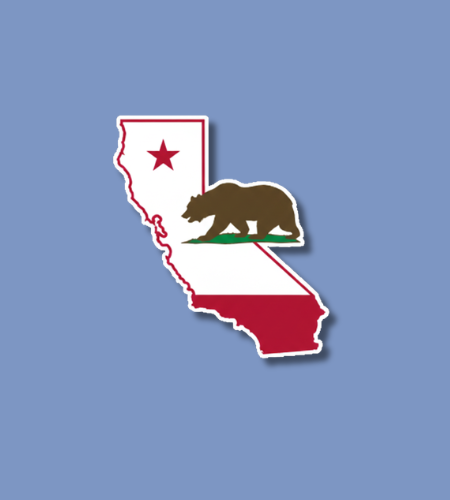
National California Day is celebrated annually on February 22. The day honors California’s admission to the Union as the 31st state on September 9, 1850. It serves as a dedicated time to recognize the “Golden State” for its massive cultural influence, agricultural output, and status as a global hub for technological innovation and entertainment. As the most populous state in the nation, California is highlighted on this day for its geographical diversity, ranging from the rugged Pacific coastline and towering redwood forests to the arid expanses of Death Valley and the fertile soil of the Central Valley.
Table of Contents
History of National California Day
National California Day was founded in 2017 by the National Day Calendar as part of a broader initiative to honor each state in the order they joined the Union. Because California was the 31st state admitted to the United States, its dedicated day falls in the 31st week of the National State Days series that begins each year in July. This modern observance was created to provide a specific occasion for residents and travelers to celebrate California’s unique heritage and its transition from a Spanish and Mexican territory to an American state.
The historical foundation for the state began long before its 1850 statehood. Spanish missionaries established a chain of 21 missions starting in 1769, which influenced the region’s architecture and agriculture. Following the Mexican-American War and the Treaty of Guadalupe Hidalgo in 1848, the land was ceded to the United States. Only days before the treaty was signed, gold was discovered at Sutter’s Mill, triggering the 1849 Gold Rush. This event brought hundreds of thousands of “Forty-Niners” to the region, causing a population explosion that fast-tracked California’s entry into the Union as a free state.
Why is National California Day important?
California is vital to the American identity due to its role as an economic and cultural powerhouse. If it were an independent nation, California would possess the fourth-largest economy in the world, largely driven by Silicon Valley’s tech giants and Hollywood’s global entertainment industry. The state is responsible for significant portions of the world’s supply of almonds, grapes, and dairy, making it an essential player in global food security. This day acknowledges the scale of these contributions and the state’s leadership in environmental policy and social movements.
The holiday is also important for celebrating the state’s immense natural beauty and biodiversity. California is home to both the highest point in the contiguous United States, Mount Whitney, and the lowest point in North America, Badwater Basin in Death Valley. It contains more national parks than any other state, protecting unique species like the giant sequoia and the coastal redwood. By observing this day, the public is encouraged to appreciate the conservation efforts that preserve these landmarks for future generations.
- California produces over 80% of the world’s almonds and is a leader in wine production.
- The state is the birthplace of the internet, with the first ARPANET message sent from UCLA.
- Hollywood remains the historic center of the global motion picture industry.
- It is the only state to have hosted both the Summer and Winter Olympic Games.
- One out of every eight U.S. residents currently lives in California.
How to Celebrate National California Day
To celebrate this day, many people explore the state’s vast outdoor recreational opportunities. You can take a scenic drive along the Pacific Coast Highway or hike through the Sierra Nevada mountains to see some of the world’s oldest and tallest trees. Visiting a local state park or one of the historic Spanish missions provides a deeper look into the geological and colonial history that shaped the region. Food enthusiasts often celebrate by visiting farmers’ markets to sample “California-grown” produce or touring a vineyard in the Napa or Sonoma valleys.
Since the day often falls on a weekend, it is an ideal time for a “nearcation” to discover hidden gems within the state. You might visit the Gold Rush-era towns like Columbia or Old Sacramento to see preserved 19th-century architecture. Digital participation is also popular, with people sharing photos of iconic landmarks like the Golden Gate Bridge or the Hollywood Sign on social media. Many schools and libraries use the date to host educational programs about the Indigenous cultures that inhabited the land for thousands of years before European arrival.
- Take a road trip to a famous landmark like the Santa Monica Pier or Big Sur.
- Support local agriculture by purchasing California-grown fruits and nuts.
- Watch a classic film produced in a historic Hollywood movie studio.
- Plan a visit to one of the state’s nine national parks, such as Yosemite or Joshua Tree.
- Learn about the 1849 Gold Rush and its impact on the American West.
National California Day Dates Table
| Year | Date | Day |
|---|---|---|
| 2026 | February 22 | Sunday |
| 2027 | February 22 | Monday |
| 2028 | February 22 | Tuesday |
| 2029 | February 22 | Thursday |
| 2030 | February 22 | Friday |
Subscribe to our newsletter and never miss a holiday again!