
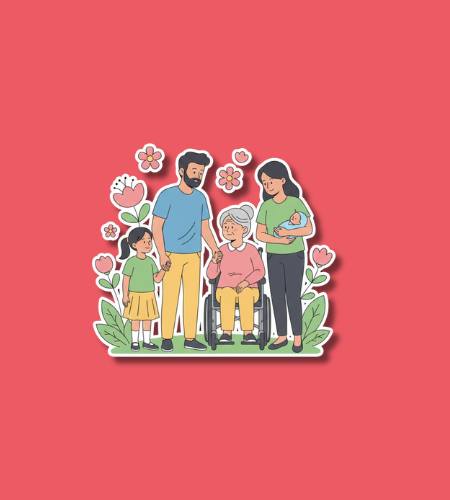
National Caregivers Day is observed on the third Friday of February. This day honors the millions of professional and family caregivers who provide essential physical and emotional support to individuals with chronic illnesses, disabilities, or age-related needs. In 2026, it falls on February 20. It serves as a vital recognition of the labor-intensive and often invisible work performed by those who ensure the dignity and well-being of the most vulnerable members of society. By highlighting both the healthcare professionals in long-term care facilities and the family members providing around-the-clock aid at home, the holiday brings national attention to the growing importance of the caregiving industry in an aging population.
Table of Contents
History of National Caregivers Day
The holiday was established in 2015 by the Providers Association for Home Health Care (PAHH). The organization recognized that while caregivers are the backbone of the healthcare system, they often lack a dedicated time for public appreciation and professional acknowledgment. The first official celebration took place in February 2016, and it has since grown into a widely recognized event supported by various health advocacy groups, government agencies, and private care providers across the United States.
Historically, the date was chosen to provide a moment of reflection and gratitude during a time of year when the demands on caregivers can be particularly high due to winter illnesses and seasonal challenges. The establishment of this day also coincides with a broader legislative and social movement to improve working conditions, provide better respite care for family members, and increase wages for professional home health aides. It honors the historical legacy of nursing and domestic care while advocating for the modern resources necessary to sustain those in the caregiving profession.
Why is National Caregivers Day important?
This day is vital because it addresses the significant physical, emotional, and financial toll that caregiving takes on individuals. Many family caregivers provide dozens of hours of unpaid labor each week, often balancing these responsibilities with full-time employment and their own household needs. By dedicating a day to their efforts, society acknowledges the “caregiver burnout” that can lead to serious health issues for the providers themselves, emphasizing the need for community support systems and mental health resources.
The observance also highlights the economic necessity of the caregiving workforce. Without the millions of hours provided by home health aides and family members, the formal healthcare system and state-funded institutions would be overwhelmed. Recognizing caregivers helps to elevate the status of the profession, encouraging more people to enter the field and pushing for policy changes that protect the rights and health of those who spend their lives looking after others.
- Caregivers help patients maintain their independence and stay in their homes longer.
- The holiday promotes awareness of the specialized medical and emotional skills caregivers must possess.
- Recognizing caregivers can reduce the feelings of isolation and depression common in the field.
- Professional caregiving is one of the fastest-growing job sectors in the global economy.
- Support for caregivers directly leads to better health outcomes and higher quality of life for patients.
How to Observe National Caregivers Day
The most effective way to observe this day is to provide direct support or a “day of rest” for a caregiver you know. This could involve offering to sit with their loved one for a few hours so the caregiver can attend to their own needs, or providing a gift card for a meal or a relaxing service like a massage. For professional caregivers in hospitals or assisted living facilities, a simple handwritten note of gratitude or a public shout-out during a staff meeting can significantly boost morale and job satisfaction.
Organizations can observe the day by hosting appreciation luncheons, providing additional paid time off, or offering workshops on stress management and self-care. It is also an ideal time for businesses to review their “caregiver-friendly” policies, such as flexible scheduling for employees who have aging parents or children with disabilities. Sharing educational resources about the different types of caregiving—from palliative to rehabilitative—on social media helps the general public understand the complexity and value of this work.
- Send a bouquet of flowers or a thoughtful card to a friend who is a full-time caregiver.
- Volunteer your time at a local senior center or hospice to assist the professional staff.
- Advocate for local legislation that supports paid family leave and caregiver tax credits.
- Post a social media tribute to a specific caregiver who has impacted your family’s life.
- Educate yourself on the signs of caregiver fatigue to better support those in your circle.
National Caregivers Day Dates Table
| Year | Date | Day |
|---|---|---|
| 2026 | February 20 | Friday |
| 2027 | February 19 | Friday |
| 2028 | February 18 | Friday |
| 2029 | February 16 | Friday |
| 2030 | February 15 | Friday |
Subscribe to our newsletter and never miss a holiday again!