
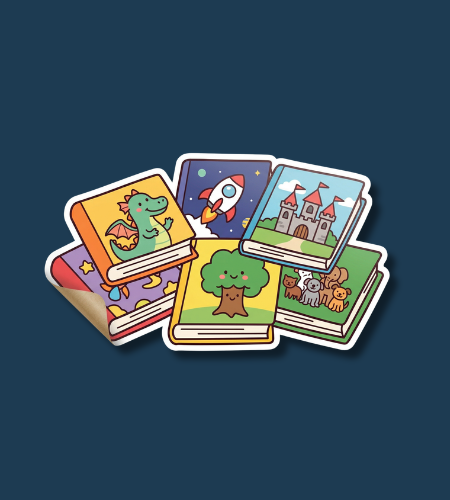
National Children’s Picture Book Day is a heartwarming literary observance celebrated annually on April 2 to honor the unique art form of the picture book and its role in childhood development. This day emphasizes that picture books are more than just stories; they are a child’s first gallery and their first introduction to the world of visual and narrative art. While it shares the date with International Children’s Book Day and the birthday of Hans Christian Andersen, this specific observance focuses on the synergy between text and illustration. It is a day to celebrate the authors and illustrators who create the “visual language” that helps pre-readers and early readers decode emotions, settings, and complex themes through vibrant imagery.
Read also about
- National Comic Book Day
- National Coloring Book Day
- International Book Giving Day
- Reading is Funny Day
- Book Lovers Day
Table of Contents
History of National Children’s Picture Book Day
The history of the children’s picture book as a distinct genre began in the mid-17th century with the publication of Orbis Sensualium Pictus (The Visible World in Pictures) by John Amos Comenius in 1658, which is widely considered the first picture book specifically for children. However, the “Golden Age” of the picture book truly arrived in the 19th century with innovators like Randolph Caldecott and Beatrix Potter, who moved away from strictly moralistic tales toward stories filled with whimsy and character-driven illustrations. The designation of April 2 as a day to specifically celebrate these works aligns with the birth of Hans Christian Andersen, whose fairy tales have been reinterpreted by thousands of illustrators over the last two centuries.
In the United States, the prestige of the picture book was solidified in 1938 with the establishment of the Caldecott Medal, named after Randolph Caldecott. This award recognized that the illustrator is an equal partner in the storytelling process. Over the decades, the medium has evolved from simple woodcuts to elaborate watercolors, digital art, and mixed-media collages. Today, National Children’s Picture Book Day honors this evolution, celebrating how modern classics like Maurice Sendak’s Where the Wild Things Are or Eric Carle’s The Very Hungry Caterpillar have become essential cultural touchstones that bridge the gap between art and literacy.
Why is National Children’s Picture Book Day important?
This day is significant because picture books are the primary tool for developing “visual literacy”—the ability to interpret and make meaning from information presented in the form of an image. For children who cannot yet read words, the illustrations provide the necessary context to understand the plot and the emotions of the characters. By celebrating this day, educators and parents highlight how picture books build foundational cognitive skills, such as pattern recognition, spatial awareness, and empathy. The art in these books often serves as a child’s first exposure to diverse cultures, landscapes, and perspectives, making it a vital component of early social-emotional learning.
Furthermore, the observance underscores the importance of the “shared reading” experience. Unlike chapter books, which are often read solo, picture books are designed to be experienced together, creating a unique bond between the adult reader and the child. This interaction fosters language acquisition and provides a safe space for children to ask questions about the world. The day also advocates for the recognition of illustrators as world-class artists whose work belongs in museums as much as on bookshelves. By keeping picture books in the spotlight, the holiday ensures that the next generation continues to value the beauty of a physical book in an increasingly digital and text-heavy environment.
- It recognizes the illustrator as a co-author and vital storyteller.
- The day promotes visual literacy and early reading comprehension skills.
- It highlights the historical evolution of children’s book art from 1658 to today.
- The holiday encourages parents to engage in daily “lap reading” sessions.
- It celebrates the diversity of artistic styles found in modern children’s literature.
How to Celebrate National Children’s Picture Book Day
Celebrating involves immersing yourself and the children in your life in the beauty of illustrated stories. A perfect way to observe the day is to host a “Picture Book Marathon,” where you read five or ten different books, paying special attention to the art style of each. You can turn it into an art lesson by asking children to identify the medium used—such as crayons, paint, or digital collage—and then providing them with supplies to create their own “picture book page” based on a favorite story. Visiting a local library to browse the “New Arrivals” in the picture book section is another excellent way to discover contemporary artists.
On a community level, you can observe the day by donating high-quality picture books to a local pediatrician’s office, a daycare center, or a “Little Free Library.” Many bookstores host “Meet the Illustrator” events or live drawing sessions on this day, providing a behind-the-scenes look at how a book is made. Sharing a “Shelfie”—a photo of your child’s favorite picture book collection—on social media using the official holiday hashtags can help other parents find new titles to explore. Whether you are revisiting a classic from your own childhood or discovering a brand-new masterpiece, the goal is to appreciate the magic that happens when words and pictures dance together on the page.
- Read three classic picture books aloud, focusing on how the art tells the story.
- Create a “DIY Picture Book” with a child using construction paper and markers.
- Visit an art museum or library exhibit featuring original children’s book illustrations.
- Donate a beautifully illustrated book to a local school or community shelter.
- Follow your favorite children’s book illustrator on social media to see their process.
National Children’s Picture Book Day Dates Table
| Year | Date | Day |
|---|---|---|
| 2026 | April 2 | Thursday |
| 2027 | April 2 | Friday |
| 2028 | April 2 | Sunday |
| 2029 | April 2 | Monday |
| 2030 | April 2 | Tuesday |
Subscribe to our newsletter and never miss a holiday again!