
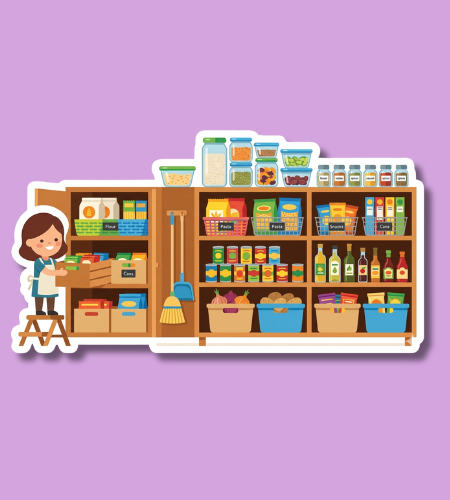
National Clean Up Your Pantry Day is observed annually on April 11 to encourage homeowners to audit their dry food storage and reorganize their kitchen essentials for better efficiency. This domestic observance serves as a practical reminder to rotate stock, check for expired items, and ensure that non-perishable goods are stored in a way that minimizes waste. Many people use this specific day as a primary component of their broader spring cleaning routine, focusing on the often-overlooked corners of cupboards where canned goods, spices, and baking supplies can accumulate over time.
Read also about National Dish Washer Appreciation Day, National Clean Out Your Refrigerator Day, National Clean Up Your Computer Month, National Clean Your Desk Day
Table of Contents
History of National Clean Up Your Pantry Day
The specific origins of this day are tied to the modern movement of home organization and the growing awareness of food waste in Western households. While the word “pantry” comes from the Old French “paneterie,” meaning a bread room, the modern pantry has evolved into a catch-all for various processed and long-term storage foods. As shopping habits shifted toward bulk buying in the late 20th and early 21st centuries, many households began to struggle with cluttered storage spaces, leading to the establishment of this day to promote a more mindful approach to food management.
The day gained significant traction through the influence of professional organizers and lifestyle experts who utilize social media to share decluttering techniques. It was designed to address the common problem of “pantry blindness,” where consumers continue to purchase duplicate items because they can no longer see what they already have in stock. By standardizing a date in April, organizers aimed to align the task with the seasonal transition when families are naturally inclined to refresh their living environments and prepare for the upcoming summer months.
Why is National Clean Up Your Pantry Day important?
Maintaining an organized pantry is a critical step in reducing household food waste and saving money. When a pantry is cluttered, items often slip to the back and exceed their expiration dates, resulting in perfectly good food being thrown away. By conducting a thorough cleanup, families can identify items that are nearing their end-of-life and prioritize them in upcoming meal plans. This practice not only keeps the kitchen functional but also ensures that the food being consumed is fresh and safe for the entire family.
This day also serves a vital charitable purpose. During the cleaning process, many people discover unopened, non-perishable items that they no longer intend to use but are still well within their “best by” dates. National Clean Up Your Pantry Day encourages the donation of these surplus goods to local food banks and community pantries. This surge in donations provides a necessary boost to social service organizations during the spring, a time when holiday-season food drives have often concluded and inventory may be running low.
- Organizing your pantry prevents the accidental purchase of duplicate groceries.
- Checking expiration dates helps maintain high standards for food safety.
- Proper storage techniques protect dry goods from pests and moisture damage.
- Donating unneeded items supports local families facing food insecurity.
- A clean pantry reduces the time and stress involved in daily meal preparation.
How to Celebrate National Clean Up Your Pantry Day
The most effective way to observe this day is to completely empty every shelf and drawer in your pantry to evaluate the condition of your stock. Start by wiping down the surfaces to remove dust, crumbs, or spilled liquids that could attract insects. Once the space is clean, group similar items together—such as grains, canned vegetables, and baking supplies—and place the oldest items toward the front of the shelf. This “first-in, first-out” method is a professional kitchen standard that helps ensure nothing goes to waste.
Another way to celebrate is by investing in clear, airtight containers for bulk items like flour, sugar, and pasta. These containers not only make it easier to see how much of a product remains but also keep the food fresher for a longer period. For any items you decide to remove but are still safe for consumption, prepare a box for a local food drive or community “blessing box.” Sharing your progress online can also inspire friends and neighbors to take an hour out of their day to streamline their own kitchens.
- Remove everything from the shelves to perform a deep surface cleaning.
- Check every can and package for expiration or “best by” dates.
- Use clear bins or jars to categorize and store loose bulk items.
- Create a designated “use first” basket for items nearing expiration.
- Drop off a bag of unexpired, unwanted canned goods at a local food bank.
National Clean Up Your Pantry Day Dates Table
| Year | Date | Day |
|---|---|---|
| 2026 | April 11 | Saturday |
| 2027 | April 11 | Sunday |
| 2028 | April 11 | Tuesday |
| 2029 | April 11 | Wednesday |
| 2030 | April 11 | Thursday |
Subscribe to our newsletter and never miss a holiday again!