
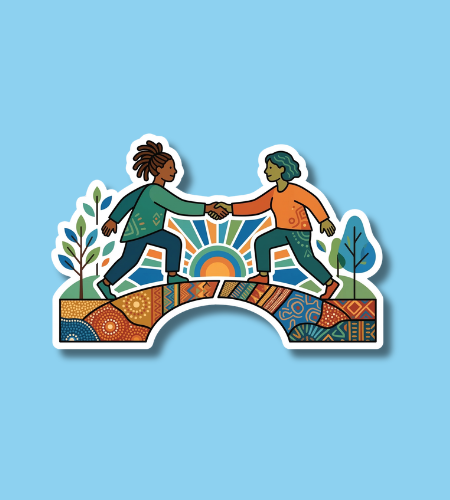
National Close the Gap Day is observed on the third Thursday of March. In 2026, it falls on March 19. This day of action focuses on achieving health equality for Aboriginal and Torres Strait Islander peoples. It serves as a nationwide call to eliminate the significant divide in life expectancy and health outcomes between Indigenous and non-Indigenous Australians by advocating for better access to culturally safe healthcare and resources.
Table of Contents
History of National Close the Gap Day
The holiday was first observed in 2007 following the launch of the Close the Gap Campaign the previous year. The movement was initiated by a coalition of over 40 Indigenous and non-Indigenous health and human rights organizations. Prominent Australian athletes, including Olympic sprinter Cathy Freeman and swimmer Ian Thorpe, helped launch the campaign at the Olympic Stadium in Sydney to draw public attention to the stark inequities in the national healthcare system. The campaign was a direct response to a 2005 report by Social Justice Commissioner Tom Calma, which urged the government to commit to achieving health equality within 25 years.
In 2008, the Australian government formally committed to the movement by signing the Close the Gap Statement of Intent. This led to the creation of the National Agreement on Closing the Gap, which established specific socioeconomic targets in areas like education, housing, and employment. While the policy framework has evolved over the years, the day itself has remained a grassroots event. It has transformed from a localized protest into a massive annual observance involving thousands of community events, schools, and workplaces across every state and territory in Australia.
Why is National Close the Gap Day important?
This day is significant because it highlights a critical human rights issue within a country that otherwise enjoys one of the highest standards of living in the world. Aboriginal and Torres Strait Islander people currently face a life expectancy that is approximately 10 to 17 years lower than that of other Australians. By bringing these statistics to the forefront of national conversation, the holiday ensures that the health gap remains a political and social priority. It emphasizes that equal access to quality medical care is not a privilege but a fundamental right for the nation’s First Peoples.
The observance also celebrates the resilience and leadership of Indigenous communities and organizations. It moves the focus away from a deficit-based narrative and toward community-led solutions that are culturally responsive and effective. By centering Aboriginal and Torres Strait Islander voices, the day fosters a spirit of genuine partnership and reconciliation. It provides a platform to discuss the social determinants of health—such as housing stability and educational opportunity—that are inextricably linked to physical well-being.
- It advocates for closing the life expectancy gap within a single generation.
- The day raises awareness about higher rates of preventable chronic diseases.
- It supports the growth of Aboriginal Community Controlled Health Services.
- The holiday promotes the importance of culturally safe maternal and infant care.
- It encourages all Australians to take a formal pledge to support health equality.
How to Observe National Close the Gap Day
Observing this day often involves participating in community-led events that focus on education and solidarity. Many people attend health expos, cultural performances, or public forums that feature Indigenous speakers sharing their perspectives on healthcare reform. Schools and workplaces frequently host morning teas or workshops to discuss the “Closing the Gap” targets and how individuals can contribute to a more equitable society. Signing the Close the Gap pledge online is a popular way to formally join the movement and stay informed about progress.
On a practical level, you can observe the day by supporting Indigenous businesses and health organizations through donations or volunteer work. Taking the time to read the latest annual “Closing the Gap” report helps you understand which targets are being met and where more advocacy is needed. Sharing educational resources on social media can help debunk myths and provide accurate information about the barriers faced by First Nations communities. Engaging in a “Close the Gap” walk or run is another common way to raise funds while promoting the importance of physical health and community connection.
- Attend a local event to learn about Indigenous health and culture.
- Sign the online pledge to support health equality for First Nations people.
- Educate yourself by reading the National Agreement on Closing the Gap.
- Host a workplace or school event to raise funds for Indigenous health services.
- Share social media posts that highlight community-led health success stories.
National Close the Gap Day Dates Table
| Year | Date | Day |
|---|---|---|
| 2026 | March 19 | Thursday |
| 2027 | March 18 | Thursday |
| 2028 | March 16 | Thursday |
| 2029 | March 15 | Thursday |
| 2030 | March 21 | Thursday |
Subscribe to our newsletter and never miss a holiday again!