

National Dark Chocolate Day, celebrated on February 1st, is a sweet occasion for chocolate enthusiasts across the United States. This day is dedicated to the rich, decadent flavor of dark chocolate, a treat that balances the perfect blend of sweet and savory. It’s not just about indulging in your favorite chocolate delights; it’s also an opportunity to explore the historical and cultural significance of this beloved confection.
Chocolate, especially the dark variety, is not only delicious but also brings various health benefits. National Dark Chocolate Day is the perfect time to explore the various aspects of dark chocolate, from its rich history to its versatile uses in cooking and baking. It’s a day to appreciate the simplicity and complexity of this favorite treat.
Table of Contents
History of National Dark Chocolate Day
The history of chocolate dates back to ancient times, with its first known use as a food in Mesoamerica around 350 B.C. Originally consumed as a bitter, fermented beverage, it was a significant part of Aztec culture, often associated with the god of wisdom, Quetzalcoatl. Chocolate made its way to Europe in the 1600s, where it underwent a transformation with the addition of sugar.
The evolution of chocolate continued through the centuries, with significant milestones such as Milton S. Hershey’s purchase of chocolate processing equipment in 1893, paving the way for mass-produced chocolates. By 1910, dark chocolate was available in bar form, expanding its popularity and availability. Today, dark chocolate is celebrated not just for its taste but also for its cultural and historical significance.
Chocolate holidays throughout the year
- World Chocolate Day
- National Chocolate Day
- International Chocolate Day
- Office Chocolate Day
- National Chocolate Candy Day
- Chocolate Mud Cake Day
- National Chocolate Cupcake Day
- National Chocolate Milkshake Day
- National Chocolate Fondue Day
Why is National Dark Chocolate Day Important?
- Health Benefits
Dark chocolate is known for its high concentration of cocoa, which provides numerous health benefits. Rich in antioxidants like flavonoids and polyphenols, dark chocolate can help fight off free radicals, reducing the risk of various diseases. - Mood Enhancer
Containing chemicals like tryptophan and phenylethylamine, dark chocolate is known to stimulate the release of endorphins, the body’s natural feel-good chemicals. This can lead to a feeling of euphoria, similar to the sensation of being in love. - Versatility in Cooking
With its low melting point, dark chocolate is an ideal ingredient for a variety of culinary creations. From baking to making ganache, its versatility allows both amateur and professional cooks to experiment and enjoy. - Cultural Significance
Chocolate’s journey from a ceremonial drink to a beloved global commodity is a testament to its deep cultural impact. Celebrating National Dark Chocolate Day is a nod to this rich history. - Economic Impact
The chocolate industry, particularly dark chocolate, plays a significant role in global economies. From cocoa farming to artisanal chocolate production, it supports numerous livelihoods. - Sustainable and Ethical Practices
Many dark chocolate brands are now focusing on fair trade and sustainable practices, ensuring ethical sourcing of cocoa and supporting local farmers. - Educational Opportunity
National Dark Chocolate Day provides a chance to learn more about chocolate’s journey from bean to bar, encouraging a deeper appreciation and understanding of this treat.
How to Celebrate National Dark Chocolate Day?
Celebrating National Dark Chocolate Day can be a delightful experience, with various activities to indulge in this exquisite treat:
- Visit a Local Sweet Shop
Take this day as an opportunity to support local businesses by indulging in dark chocolate delicacies from a nearby chocolate shop. - Bake with Dark Chocolate
Whether you’re a novice or a seasoned baker, experimenting with dark chocolate in recipes like babka or molten cake can be both fun and rewarding. - Dine at a Chocolate-themed Restaurant
Experience the creative uses of dark chocolate in a specialized restaurant, where dessert is the star of the menu. - Learn About Fair Trade Chocolate
Educate yourself about the importance of fair trade in the chocolate industry and try some ethically sourced dark chocolate brands. - Host a Chocolate Tasting Party
Gather friends or family for a dark chocolate tasting event, exploring different varieties and flavors. - Make Chocolate-based Crafts
Engage in creative activities like making chocolate art or chocolate-scented candles. - Share the Love
Spread the joy by gifting dark chocolate to friends, family, or coworkers, sharing the happiness that this treat brings.
Interesting Facts About Dark Chocolate
- The “Food of the Gods”
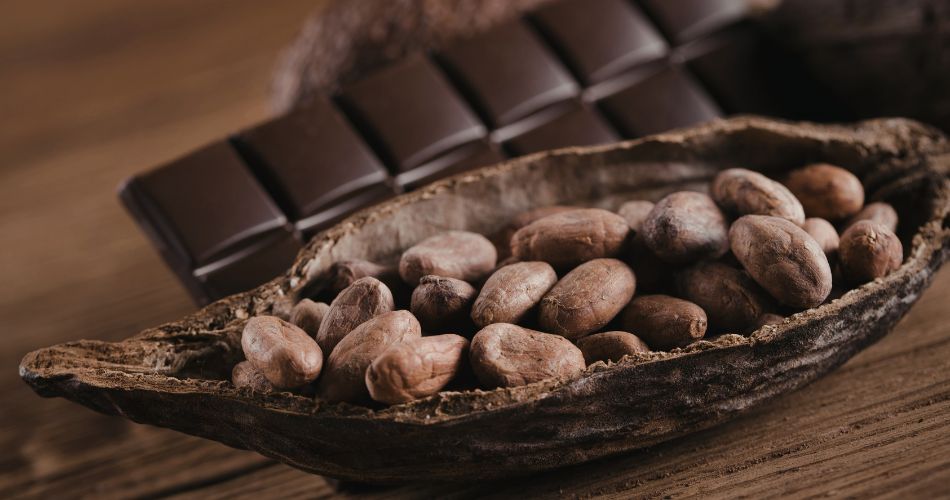
Its scientific name, Theobroma cacao, literally translates to “food of the gods” in Greek. For the ancient Maya and Aztecs, cocoa was so valuable that it was used as currency and consumed as a bitter, spicy drink for strength. - The “Bliss Molecule”: Dark chocolate contains a compound called anandamide. The name comes from the Sanskrit word ananda, meaning “joy” or “bliss.” It is a neurotransmitter that targets the same brain receptors as THC (found in cannabis), though in much smaller amounts, contributing to that “feel-good” sensation.
- A Shield for Your Heart: High-quality dark chocolate is rich in flavanols. These compounds stimulate the lining of the arteries to produce nitric oxide, which helps the blood vessels relax. This can lead to improved blood flow and a modest reduction in blood pressure.
- A Brain Booster: Research suggests that eating high-flavanol cocoa can improve blood flow to the brain in young adults. This may explain why some studies indicate that dark chocolate enhances attention, verbal learning, and memory.
- Antioxidant Powerhouse: Gram for gram, raw cocoa and high-percentage dark chocolate have higher antioxidant activity than many “superfruits” like blueberries and acai berries. These antioxidants help neutralize free radicals that damage cells.
- Sun Protection from Within
It sounds like magic, but the flavonols in dark chocolate can actually increase your skin’s minimal erythemal dose (MED)—the amount of UV rays it takes to cause redness. Essentially, it helps protect your skin from sun damage at a cellular level. - A Prebiotic for Your Gut
Dark chocolate acts as a prebiotic, meaning it provides “food” for the beneficial bacteria (like Bifidobacterium) in your digestive system. These bacteria ferment the chocolate into anti-inflammatory compounds that benefit the heart. - Rich in Essential Minerals
A 100-gram bar of 70–85% dark chocolate contains roughly 67% of the RDI for Iron, 58% for Magnesium, and 89% for Copper. It’s surprisingly nutritious when consumed in moderation. - The 70% Rule
To reap the most health benefits, experts recommend choosing chocolate with at least 70% cocoa solids. Anything less usually contains too much sugar and milk, which can actually interfere with the absorption of the healthy antioxidants.
Fun Fact: Because it contains small amounts of caffeine and theobromine, dark chocolate can provide a mild, steady energy boost without the “crash” often associated with coffee.
Intense Dark Chocolate Indulgence
1. Two-Ingredient Chocolate Mousse
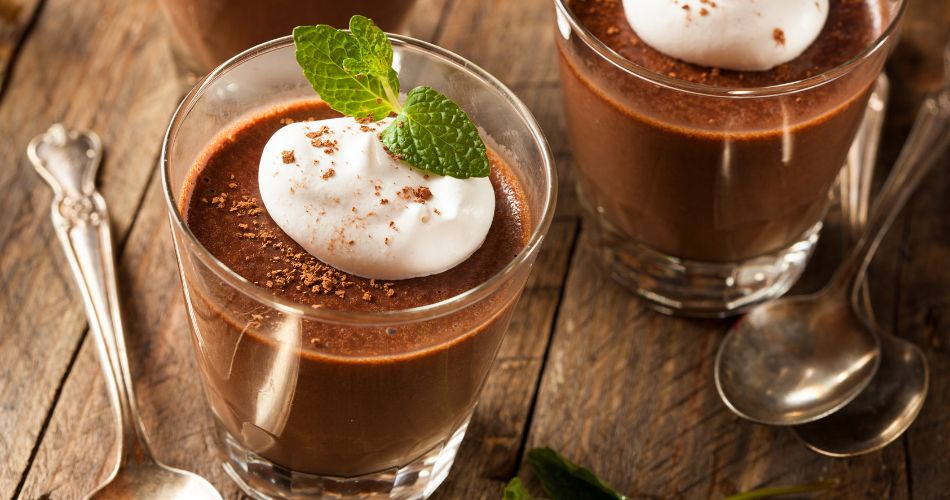
Ingredients: 200g dark chocolate (70%+), 1 cup heavy cream.
Method: Melt the chocolate and let it cool slightly. Whip the cream until soft peaks form. Gently fold the chocolate into the cream. Chill for 2 hours.
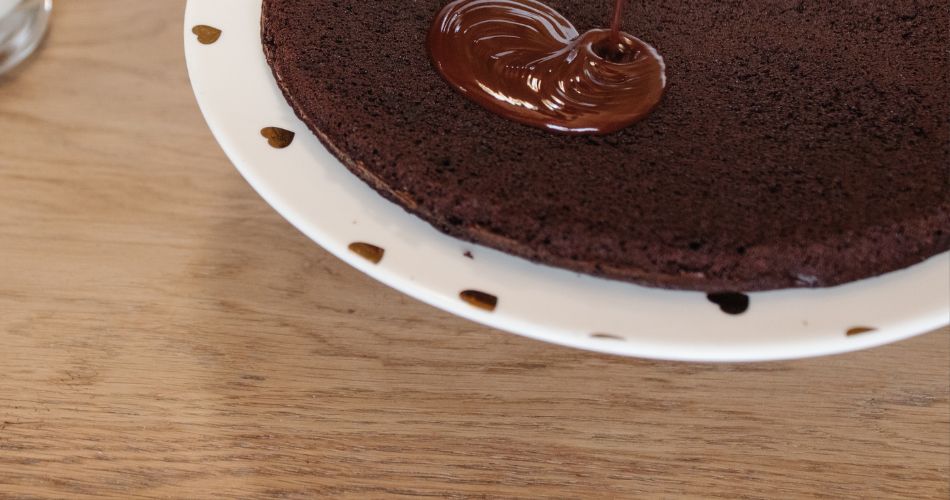
2. Flourless “Intense” Chocolate Cake
Ingredients: 200g dark chocolate, 100g butter, 3 eggs.
Method: Melt chocolate and butter together. Whisk eggs until fluffy and fold into the chocolate mixture. Bake at 180°C for 25 minutes. It should remain slightly fudgy in the center.
3. Classic Dark Chocolate Truffles
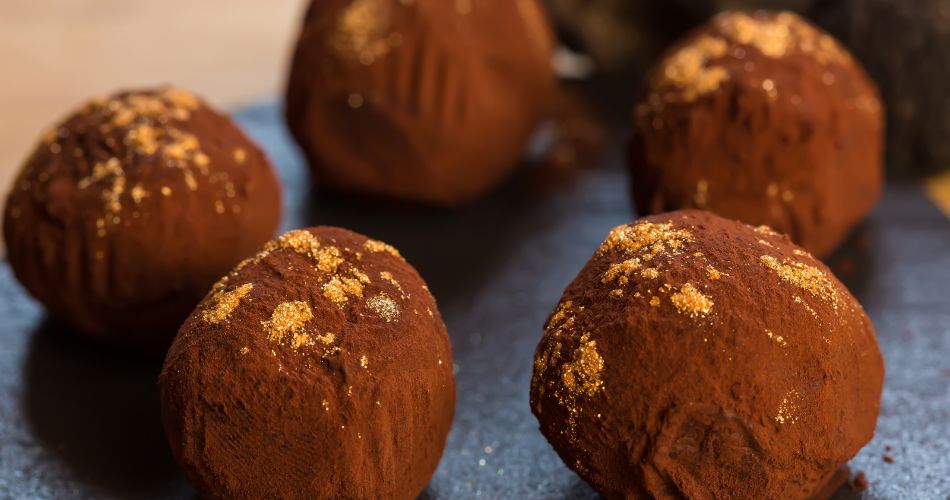
Ingredients: 200g dark chocolate, 150ml heavy cream, cocoa powder.
Method: Chop chocolate finely. Pour hot (simmering) cream over it; let sit for 5 minutes, then stir until smooth. Chill until firm, roll into balls, and coat in cocoa powder.
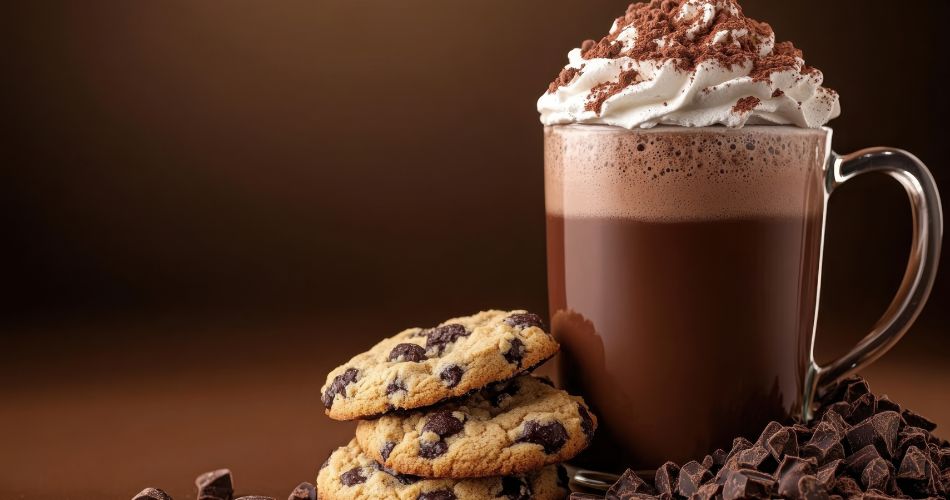
4. Real Belgian Hot Chocolate
Ingredients: 50g dark chocolate, 1 cup whole milk, a pinch of sea salt.
Method: Heat milk until steaming. Add finely chopped chocolate and salt. Whisk vigorously until the chocolate is completely melted and the drink is frothy.
5. Dark Chocolate Sea Salt Bark
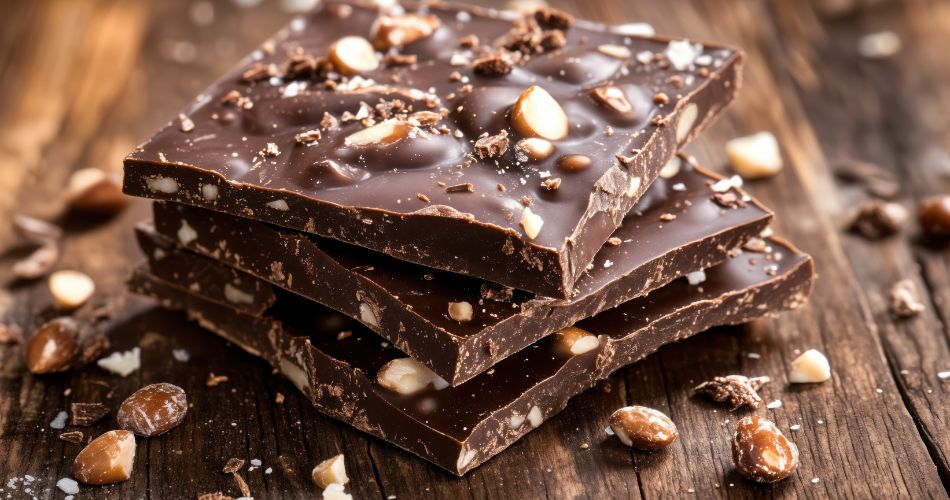
Ingredients: 200g dark chocolate, roasted almonds, flaky sea salt.
Method: Melt chocolate and spread it thinly on parchment paper. Sprinkle with chopped nuts and sea salt. Let it harden in the fridge, then break into irregular shards.
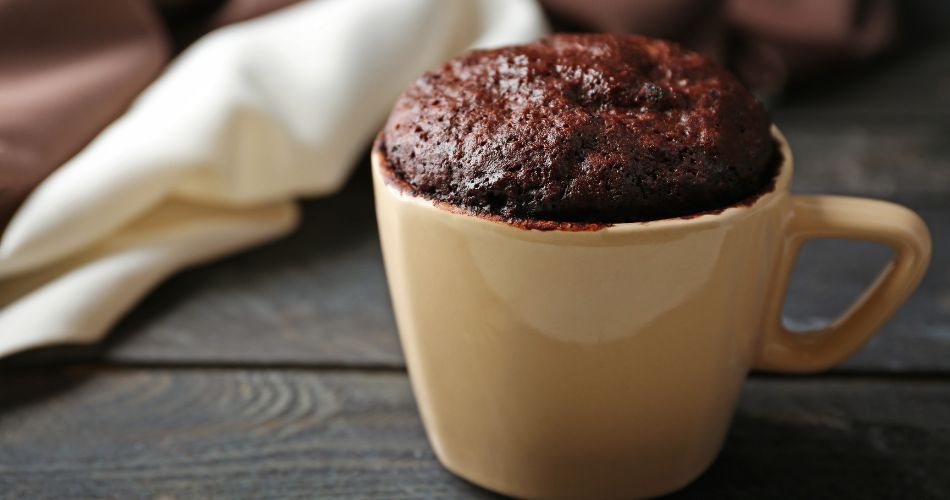
6. 60-Second Chocolate Mug Cake
Ingredients: 30g melted dark chocolate, 1 egg, 1 tbsp cocoa powder, 1 tbsp honey.
Method: Whisk all ingredients in a large mug. Microwave for 45–60 seconds. The center should stay moist and molten.
7. No-Bake Ganache Tart
- Ingredients: 200g dark chocolate, 150ml cream, pre-made biscuit crust.
- Method: Make a ganache by mixing hot cream and chopped chocolate. Pour into the biscuit base and refrigerate for 4 hours until set. Top with fresh berries.
National Dark Chocolate Day FAQs
What Makes Dark Chocolate Different from Other Chocolates?
Dark chocolate is characterized by a higher cocoa content and less sugar compared to milk or white chocolate, giving it a richer, more intense flavor.
Can Dark Chocolate Be Healthy?
Yes, in moderation, dark chocolate can be a healthy choice due to its high antioxidant content and potential benefits for heart health.
How Should I Store Dark Chocolate?
Dark chocolate should be stored in a cool, dry place, away from direct sunlight, to preserve its flavor and texture.
National Dark Chocolate Day Dates Table
| Year | Date | Day |
|---|---|---|
| 2026 | February 1 | Sunday |
| 2027 | February 1 | Monday |
| 2028 | February 1 | Tuesday |
| 2029 | February 1 | Thursday |
| 2030 | February 1 | Friday |
Reviewed by HolidayToday Staff
Also on this day


Subscribe to our newsletter and never miss a holiday again!