
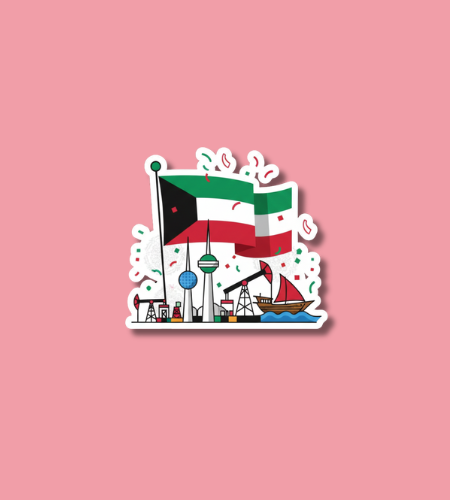
National Day Kuwait is celebrated annually on February 25. This major national holiday commemorates the 1950 accession of Sheikh Abdullah Al-Salim Al-Sabah to the throne. It is a time of immense national pride, marked by public festivities, cultural displays, and the decoration of buildings with the national colors to celebrate Kuwait’s sovereignty and history.
Table of Contents
History of National Day Kuwait
The holiday’s origins are tied to Sheikh Abdullah Al-Salim Al-Sabah, who is often called the “Father of Modern Kuwait.” While Kuwait officially gained its independence from the British protectorate on June 19, 1961, the date of the celebration was moved to February 25 to avoid the extreme summer heat and to honor the anniversary of the Sheikh’s coronation. His reign was a transformative period for the nation, characterized by the establishment of the constitution and the development of a modern administrative state.
Throughout the mid-20th century, the Sheikh utilized oil revenues to build a comprehensive infrastructure, including schools, hospitals, and housing. This era marked the transition of Kuwait from a small pearl-diving and trading community into a prosperous, modern nation. The first official National Day was celebrated in 1963, and it has since become the centerpiece of a month-long series of celebrations known as the “Hala February” festival, which celebrates the arrival of spring alongside national achievements.
Why is National Day Kuwait important?
This day is significant because it reinforces the identity and unity of the Kuwaiti people. It serves as a reminder of the nation’s resilience and its journey toward self-determination and democracy. The holiday provides an opportunity for citizens to reflect on the legacy of the Al-Sabah family and the progress the country has made in education, healthcare, and economic stability. It is a moment where the diverse threads of Kuwaiti society—from traditional Bedouin roots to modern urban life—come together in a shared expression of patriotism.
For the younger generation, National Day is an essential educational touchstone. It ensures that the history of Kuwait’s independence and the efforts of its past leaders are preserved and respected. The celebration also has a significant social impact, as it encourages community engagement through public gatherings and charitable activities. By celebrating their sovereignty, Kuwaitis reaffirm their commitment to maintaining a peaceful and prosperous state in the heart of the Arabian Gulf.
- The holiday honors Sheikh Abdullah Al-Salim Al-Sabah as the founder of modern Kuwait
- It celebrates the adoption of the nation’s first constitution in 1962
- The day strengthens national unity across all segments of the population
- It promotes Kuwaiti culture and heritage to a global audience
- The festivities support the local economy through tourism and retail events
How to Celebrate National Day Kuwait
One of the most visible ways to celebrate is by attending the large-scale public festivals and firework displays held along the Arabian Gulf Street. Buildings across Kuwait City are illuminated with elaborate light shows featuring the national flag, while citizens often decorate their cars and homes with banners and ribbons. Many people wear traditional Kuwaiti dress, such as the bisht or thobe, and participate in “Arda” folk dances that feature traditional drumming and chanting to celebrate the country’s desert heritage.
Families often gather for large traditional meals featuring national dishes like Machboos, a fragrant rice dish made with lamb or chicken. Public parks and beaches become crowded with people enjoying picnics and outdoor activities during the pleasant February weather. Many also visit the Kuwait Towers or the Grand Mosque to take part in organized cultural tours. It is a tradition for children to participate in parades and play with water spray or foam, a modern festive custom that adds a sense of playfulness to the patriotic atmosphere.
- Watch the massive firework displays over the Kuwait Towers and the sea
- Attend a traditional Arda dance performance at a public square
- Decorate your home or vehicle with the national colors of green, white, red, and black
- Share a festive meal of Machboos with family and friends
- Visit the “Hala February” markets for traditional crafts and local food
National Day Kuwait Dates Table
| Year | Date | Day |
|---|---|---|
| 2026 | February 25 | Wednesday |
| 2027 | February 25 | Thursday |
| 2028 | February 25 | Friday |
| 2029 | February 25 | Sunday |
| 2030 | February 25 | Monday |
Subscribe to our newsletter and never miss a holiday again!