
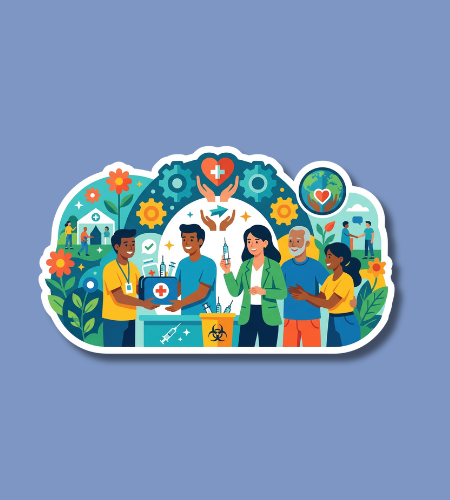
National Day Of Action On Syringe Exchange is observed on March 21 each year to advocate for the expansion and protection of harm reduction services. This day highlights the importance of providing sterile equipment and healthcare access to people who use drugs to prevent the spread of infectious diseases.
Table of Contents
History of National Day Of Action On Syringe Exchange
The establishment of this day in 2012 was a response to the long-standing federal ban in the United States on funding for syringe exchange programs. Public health advocates and community organizers created the event to mobilize support for evidence-based strategies that reduce the transmission of HIV and Hepatitis C. They sought to move the conversation away from political debate and toward a focus on public safety and medical data.
Over the years, the movement has seen significant shifts in legislation, including the partial lifting of federal funding restrictions in 2016. The day has evolved to address local challenges, such as zoning laws and community resistance that often prevent these programs from opening in high-need areas. It remains a key date for activists to highlight that syringe service programs (SSPs) are one of the most effective ways to engage marginalized populations in long-term medical care and substance use treatment. 1
Why is National Day Of Action On Syringe Exchange important?
This day is important because it focuses on a public health strategy that saves lives and reduces the economic burden on the healthcare system. Syringe service programs provide a safe way to dispose of used needles, which prevents accidental injuries to the public and sanitation workers. By offering sterile supplies, these programs significantly lower the rates of blood-borne infections within the community, creating a healthier environment for everyone.
The observance also emphasizes that these sites serve as a gateway to recovery and social services. Participants in syringe exchange programs are statistically more likely to enter drug treatment programs than those who do not have access to these services. These centers often provide additional care, such as overdose reversal training with naloxone, wound care, and infectious disease testing. By prioritizing the health and dignity of every individual, the day promotes a more compassionate and effective approach to the addiction crisis.
- It encourages the use of sterile equipment to stop the spread of HIV.
- The day promotes the safe disposal of biohazardous waste in public areas.
- It highlights that harm reduction is a proven path toward addiction recovery.
- The observance helps reduce the social stigma associated with substance use.
- It advocates for the legal protection of healthcare workers in the field.
How to Observe National Day Of Action On Syringe Exchange
Many participants observe this day by engaging in advocacy and legislative outreach. This often involves calling or writing to local and state representatives to express support for laws that fund and protect harm reduction centers. Education is also a major component, with organizations hosting webinars and town hall meetings to share data on how syringe exchanges improve neighborhood safety. Professionals in the medical field may use the day to train staff on trauma-informed care and the principles of harm reduction.
At the community level, volunteers often organize “sweeps” to pick up and safely dispose of discarded needles in public parks or streets. Some people choose to donate supplies to local programs, such as sterile water, alcohol swabs, or hygiene kits that are often distributed to clients. Sharing factual information on social media helps to dispel myths about these programs and encourages a more informed public discussion. The goal of the day is to take tangible steps that support community health and save lives.
- Write a letter to a local official supporting harm reduction funding.
- Volunteer with a community group to safely clean up public spaces.
- Donate basic medical or hygiene supplies to a nearby exchange program.
- Attend an educational workshop to learn how syringe services work.
- Share resources about local addiction treatment and support services.
National Day Of Action On Syringe Exchange Dates Table
| Year | Date | Day |
|---|---|---|
| 2026 | March 21 | Saturday |
| 2027 | March 21 | Sunday |
| 2028 | March 21 | Tuesday |
| 2029 | March 21 | Wednesday |
| 2030 | March 21 | Thursday |
Subscribe to our newsletter and never miss a holiday again!