
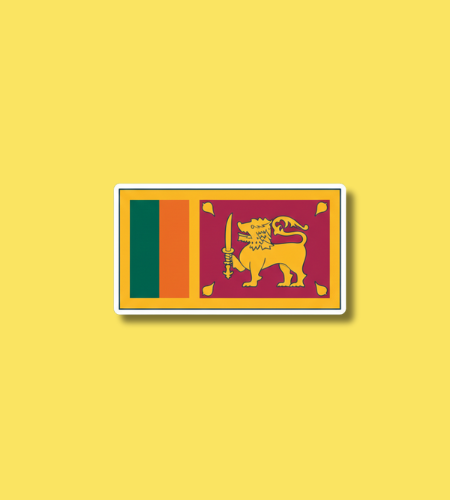
National Day Sri Lanka is celebrated annually on February 4. This day, also known as Independence Day, marks the country’s internal political independence from British rule in 1948 and is the most significant national holiday in the Democratic Socialist Republic of Sri Lanka.
Table of Contents
History of National Day Sri Lanka
The struggle for independence in Sri Lanka, then known as Ceylon, was a peaceful constitutional process that spanned the early 20th century. Unlike many other colonies, the movement was characterized by diplomacy and legislative reform led by the educated middle class. The Ceylon National Congress was formed in 1919 to advocate for greater autonomy, eventually leading to the Donoughmore Commission of 1931, which introduced universal adult suffrage to the island.
The final push for sovereignty culminated after World War II, during which the island served as a strategic base for Allied forces. On February 4, 1948, the Soulbury Constitution came into effect, granting the nation dominion status within the British Commonwealth. Don Stephen Senanayake became the first Prime Minister, and the Lion Flag, a symbol of the ancient Kandyan Kingdom, was raised to signify the end of nearly 150 years of British colonial administration.
Why is National Day Sri Lanka important?
National Day serves as a powerful symbol of unity for a multi-ethnic and multi-religious society. It provides an opportunity for the Sinhalese, Tamil, Muslim, and Burgher communities to reflect on their shared history and their collective future as a sovereign state. The holiday reinforces the principles of democracy and self-governance that were established during the transition from a colony to an independent republic in 1972.
Beyond political significance, the day is a celebration of the island’s diverse cultural heritage. It highlights the resilience of a nation that has navigated significant challenges, including internal conflicts and natural disasters, while maintaining its unique cultural identity. The official ceremonies focus on honoring the armed forces and the national heroes who dedicated their lives to the cause of freedom, ensuring that the history of the independence movement is passed down to younger generations.
- The holiday commemorates the restoration of self-rule after over a century of colonial governance.
- It promotes national integration by bringing together diverse cultural and ethnic groups.
- The raising of the national flag symbolizes the country’s dignity and global standing.
- Observance of the day honors the diplomats and activists who achieved independence.
- The event encourages citizens to reflect on the responsibilities of maintaining a democracy.
How to Observe National Day Sri Lanka
The primary celebrations take place in the capital, Colombo, where the President raises the national flag and delivers a televised address to the nation. This is followed by a massive military parade featuring the army, navy, air force, and police, along with cultural performances and traditional drumming. Many citizens participate by displaying the national flag on their homes, vehicles, and businesses as a sign of patriotic pride.
In addition to formal parades, the day is observed with religious ceremonies across temples, churches, and mosques to invoke blessings for the country. Public parks and beaches often host community events, and it is a common tradition for families to prepare traditional foods like Kiribath (milk rice) to share with neighbors. Schools and local organizations frequently hold essay competitions or sports meets to engage the youth in the spirit of the national holiday.
- Watch the live broadcast of the military parade and the presidential address.
- Display the Sri Lankan Lion Flag at your home or place of work.
- Attend a multi-religious blessing ceremony at a local place of worship.
- Prepare and share traditional Sri Lankan dishes like Kiribath with family and friends.
- Visit a national monument, such as Independence Memorial Hall in Colombo.
National Day Sri Lanka Dates Table
| Year | Date | Day |
|---|---|---|
| 2026 | February 4 | Wednesday |
| 2027 | February 4 | Thursday |
| 2028 | February 4 | Friday |
| 2029 | February 4 | Sunday |
| 2030 | February 4 | Monday |
Subscribe to our newsletter and never miss a holiday again!