
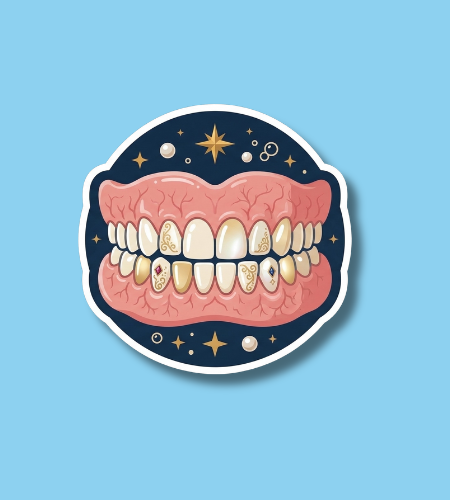
National False Teeth Day is observed on March 9. This day focuses on the importance of oral health and the technological advancements that have allowed millions of people to restore their smiles, speech, and ability to eat through the use of dentures. It serves as both a reminder to maintain regular dental check-ups and a recognition of how prosthetic dentistry has improved quality of life across generations.
Table of Contents
History of National False Teeth Day
The history of dentures stretches back to ancient civilizations, with the earliest known examples dating to around 700 B.C. The Etruscans in northern Italy were pioneers in this field, crafting dental bridges using human or animal teeth held together by gold bands. In other parts of the world, such as ancient Japan, 16th-century artisans carved complete sets of dentures from wood, using beeswax impressions to ensure a functional fit. These early methods were often reserved for the wealthy and were more focused on appearance than long-term comfort or durability.
By the 18th and 19th centuries, the materials used for false teeth became increasingly diverse and, at times, macabre. Dentists used ivory from hippopotamuses and walruses, which unfortunately decayed quickly and absorbed odors. Following the Battle of Waterloo in 1815, thousands of teeth were scavenged from fallen soldiers to meet the high demand for “Waterloo teeth” in England. A significant turning point occurred in 1843 when Charles Goodyear discovered vulcanite, a flexible and hardened rubber. This material allowed for the mass production of affordable, comfortable dentures, making dental prosthetics accessible to the middle class for the first time.
Why is National False Teeth Day important?
The primary importance of this day is to destigmatize the use of dentures and highlight their role as essential medical tools. Tooth loss can occur due to various factors, including genetics, injury, or gum disease, and it often leads to a significant decline in self-confidence and nutritional health. False teeth provide the structural support necessary for the lips and cheeks, preventing the facial collapse that typically follows the loss of natural teeth. By restoring a person’s ability to chew a wide variety of foods, dentures directly contribute to better digestion and overall physical well-being.
Furthermore, this observance emphasizes the critical link between oral hygiene and systemic health. Missing teeth can impair speech patterns, making it difficult to pronounce certain consonants and leading to social withdrawal. Modern advancements, such as 3D printing and acrylic resins, have made contemporary dentures more natural-looking and durable than the ivory or porcelain versions of the past. National False Teeth Day encourages individuals to take proactive steps in their dental care, reminding the public that prosthetic solutions are a triumph of engineering that allow people to lead active, fulfilling lives.
- Dentures help maintain the natural shape of the face and jawline.
- Modern prosthetics are custom-designed using digital scans for a precise fit.
- Restoring a full smile can significantly improve mental health and social confidence.
- Functional teeth are necessary for a diverse diet and proper nutrient absorption.
- The day promotes awareness of affordable dental solutions for all age groups.
How to Observe National False Teeth Day
Observing this day is a practical opportunity to evaluate personal oral health habits and schedule a long-overdue dental appointment. For those who already wear dentures, it is a good time to inspect the prosthetics for any cracks or signs of wear and to ensure the fit remains comfortable. Dental professionals often use this day to educate patients on the proper cleaning techniques for different types of false teeth, such as soaking them in specialized solutions to remove bacteria. Sharing information about the history of dentistry can also help younger generations appreciate modern medical standards.
Community members can participate by supporting organizations that provide low-cost dental care to seniors and underserved populations. Many local clinics offer free screenings or educational workshops on March 9 to celebrate the progress made in dental technology. On social media, people share success stories about how receiving dentures changed their lives, helping to break down the embarrassment sometimes associated with tooth loss. Engaging in these conversations helps shift the focus from the loss of natural teeth to the empowerment provided by modern restorative dentistry.
- Call a dentist to book a routine cleaning or a denture adjustment.
- Review the daily cleaning routine for any dental appliances currently in use.
- Donate to a charity that provides dental services to those in need.
- Share a photo or a story that celebrates the confidence of a healthy smile.
- Learn about the difference between fixed implants and removable partial dentures.
National False Teeth Day Dates Table
| Year | Date | Day |
|---|---|---|
| 2026 | March 9 | Monday |
| 2027 | March 9 | Tuesday |
| 2028 | March 9 | Thursday |
| 2029 | March 9 | Friday |
| 2030 | March 9 | Saturday |
Subscribe to our newsletter and never miss a holiday again!