
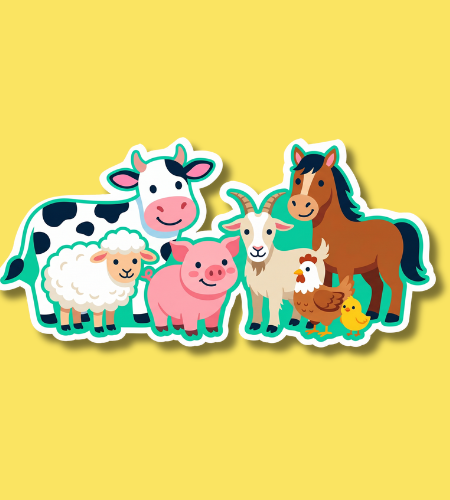
National Farm Animals Day is observed annually on April 10. This holiday focuses on the humane treatment and welfare of livestock, including cattle, pigs, chickens, and sheep. It serves as a reminder of the essential role these animals play in the global food supply and encourages people to support ethical farming practices and the rescue of abused or abandoned farm animals.
Read also about World Farm Animals Day
Table of Contents
History of National Farm Animals Day
The holiday was founded in 2005 by Colleen Paige, a celebrity pet lifestyle expert and animal behaviorist. Paige established the day to bring public attention to the living conditions of animals in the commercial farming industry. Her goal was to advocate for more compassionate treatment of livestock and to encourage people to consider the origins of their food. Since its creation, the day has become a platform for animal rights organizations to highlight the need for better legal protections for farm animals.
Before the modern industrial era, livestock were typically raised on small-scale family farms where they had more access to open pastures. The rise of large-scale commercial agriculture led to more confined environments, which prompted advocates like Paige to create dedicated days of awareness. While it is not a federal holiday, National Farm Animals Day is widely recognized by animal sanctuaries and rescue groups across the United States. These organizations use the day to find permanent homes for animals that have been rescued from neglectful situations.
Why is National Farm Animals Day important?
This day is important because it highlights the necessity of maintaining genetic diversity in livestock. Many traditional and heritage breeds of farm animals are at risk of extinction due to the prevalence of a few high-yield commercial breeds. Preserving these diverse species is critical for agricultural resilience, as different breeds possess unique traits that may help them adapt to changing climates or resist specific diseases. The holiday encourages a broader understanding of how animal health directly impacts the safety and quality of the human food chain.
The observance also fosters a sense of responsibility toward the billions of sentient beings that live on farms. It emphasizes that humane care involves more than just providing food and water; it includes ensuring animals have adequate space, social interaction, and medical attention. By bringing these issues to the forefront, the holiday empowers consumers to make informed choices at the grocery store, such as selecting products from farms that prioritize high welfare standards.
- It raises awareness about the physical and mental well-being of livestock.
- The holiday promotes the conservation of rare and heritage animal breeds.
- It supports the work of farm animal sanctuaries that rescue abused animals.
- The day educates the public on the differences between intensive and pasture-based farming.
- It encourages a more compassionate and sustainable approach to food consumption.
How to Celebrate National Farm Animals Day
One of the most effective ways to celebrate is by visiting a local farm sanctuary or a working farm that offers educational tours. These visits allow individuals to see firsthand how animals are cared for and to learn about the specific needs of different species. Many sanctuaries accept volunteers for the day to help with tasks like cleaning stalls, grooming animals, or repairing fences. For those who cannot visit in person, donating to a reputable animal rescue organization provides the financial support needed for food and veterinary care.
Another way to observe the holiday is by adjusting personal food habits for the day. Trying a plant-based meal or purchasing dairy and meat products specifically labeled with high-animal-welfare certifications supports farmers who utilize humane methods. Families can also use the day to teach children about where their food comes from through books or educational videos about farm life. Sharing information about animal welfare on social media helps spread the message to a wider audience and encourages collective action.
- Visit a local animal sanctuary to learn about rescued farm animals.
- Donate to a non-profit organization that advocates for livestock welfare.
- Choose to eat a meat-free meal to reduce the demand for factory-farmed products.
- Support local farmers who use ethical and sustainable grazing practices.
- Read books or watch documentaries about the history of agriculture and animal care.
National Farm Animals Day Dates Table
| Year | Date | Day |
|---|---|---|
| 2026 | April 10 | Friday |
| 2027 | April 10 | Saturday |
| 2028 | April 10 | Monday |
| 2029 | April 10 | Tuesday |
| 2030 | April 10 | Wednesday |
Subscribe to our newsletter and never miss a holiday again!