
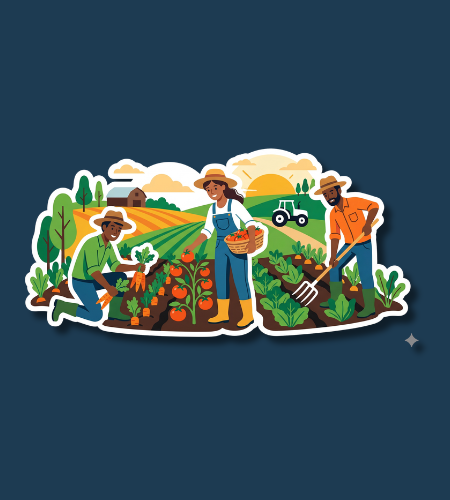
National Farm Workers Day is observed on March 31 to pay tribute to the essential laborers who cultivate, harvest, and process the food supply. This day focuses on the often-invisible workforce that endures physically demanding conditions, extreme weather, and low wages to ensure that fresh produce reaches grocery stores and kitchen tables. It serves as a vital opportunity for the public to reflect on the origins of their meals and to advocate for the dignity, safety, and fair treatment of agricultural employees across the country.
Read also about National Farmers Day and National Agriculture Day
Table of Contents
History of National Farm Workers Day
The roots of this observance are deeply intertwined with the labor movements of the 1960s and 1970s, particularly the activism of the United Farm Workers (UFW). Led by figures such as Dolores Huerta, Larry Itliong, and others, the movement brought international attention to the exploitative conditions faced by migrant and domestic laborers. The historic Delano grape strike, which began in 1965, served as a turning point in American history, proving that collective action and consumer boycotts could successfully secure better pay and basic legal protections for those working in the fields.
While the day has long been associated with the legacy of these civil rights leaders, it has evolved into a broader recognition of all agricultural employees, including those in the livestock, dairy, and nursery industries. In California and several other states, the date of March 31 carries significant weight as a day of service and reflection. Recently, there has been a renewed focus on honoring the “unsung heroes” of the industry—the millions of men and women who continue to work without standard federal overtime protections or health benefits that are common in other sectors.
Why is National Farm Workers Day important?
The holiday is critical because it highlights the economic and social disparities inherent in the global food system. Farmworkers contribute billions of dollars to the national economy, yet they consistently rank among the lowest-paid workers in the United States, with many families living below the poverty line. By bringing these facts to light, the day challenges consumers to consider the human cost of “cheap” food and the systemic barriers that prevent many laborers from accessing the very produce they harvest.
Furthermore, the day emphasizes the unique health and safety risks associated with agricultural work. Laborers face high rates of heat-related illness, respiratory issues from dust and pesticides, and musculoskeletal injuries from repetitive lifting and bending. National Farm Workers Day serves as a platform for advocacy, pushing for stronger heat-illness prevention standards and better access to healthcare and legal aid. It is a day to recognize that the stability of the food supply depends entirely on the well-being and resilience of the people working in the soil.
- It honors the manual labor required to seed, prune, and harvest crops.
- The day raises awareness about the lack of overtime pay for many agricultural roles.
- It highlights the contribution of migrant workers to national food security.
- The holiday promotes the need for improved housing and safety regulations on farms.
- It encourages a more ethical and transparent connection between producers and consumers.
How to Observe National Farm Workers Day
Observing this day can begin with a simple change in shopping habits, such as seeking out produce labeled with fair-trade or worker-certified certifications. These labels often indicate that the farm adheres to higher standards for wages and working conditions. Many people choose to support local farmers’ markets where they can interact directly with growers and learn more about the labor practices used on nearby farms. Donating to organizations that provide legal services or emergency aid to farmworker families is another impactful way to mark the occasion.
Educational outreach is also a major component of the day, with many community groups hosting film screenings or discussions about the history of labor rights. Sharing information on social media using dedicated hashtags helps amplify the voices of workers who are often excluded from public discourse. For those in a position to influence policy, contacting local representatives to support legislation that protects workers from extreme heat or ensures fair wages provides a long-term contribution to the cause. Ultimately, the day is about showing gratitude through both words and meaningful action.
- Research the labor practices of the brands and farms that supply your local store.
- Donate to a non-profit organization that provides clothing or medical kits to laborers.
- Visit a local farm or agricultural center to learn about the seasonal harvest cycle.
- Share stories or facts about the farmworker movement to educate your social circle.
- Write a thank-you note or provide a small gesture of appreciation to local agricultural staff.
National Farm Workers Day Dates Table
| Year | Date | Day |
|---|---|---|
| 2026 | March 31 | Tuesday |
| 2027 | March 31 | Wednesday |
| 2028 | March 31 | Friday |
| 2029 | March 31 | Saturday |
| 2030 | March 31 | Sunday |
Subscribe to our newsletter and never miss a holiday again!