
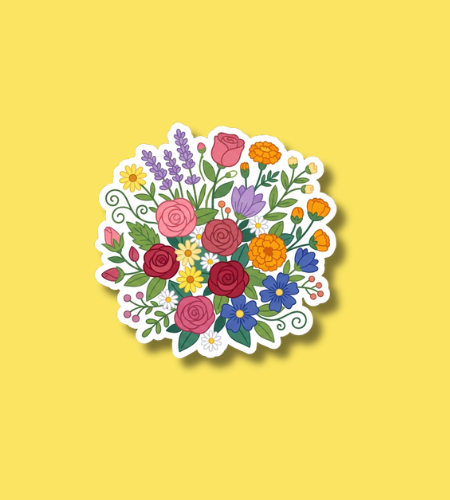
National Flower Day is observed on March 21 each year to coincide with the arrival of spring and celebrate the aesthetic and environmental importance of floral life. This date aligns with the vernal equinox in the Northern Hemisphere, marking the transition from the dormant winter months to a season of renewal, growth, and vibrant color.
Read also about Plant a Flower Day and Free Flower Basket Day
Table of Contents
History of National Flower Day
The origins of National Flower Day are rooted in a long-standing cultural appreciation for botany, though the specific creator of the day is not recorded in historical archives. It gained formal recognition as a cultural observance around 2017, emerging from a collective effort by florists, gardeners, and environmentalists to highlight the role of flowers beyond their use as simple decorations. The holiday was established to encourage people to pause and recognize how flowers have served as symbols of love, peace, and resilience across various civilizations for thousands of years.
While the day celebrates all blooms, it often references the 1986 proclamation by President Ronald Reagan that made the rose the national floral emblem of the United States. This historical milestone reinforced the idea of flowers as significant cultural icons. Over time, the observance on March 21 has evolved into a global event, utilized by botanical gardens and floral societies to promote the conservation of rare species and the historical “language of flowers” used in the Victorian era to communicate complex emotions.
Why is National Flower Day important?
This day is vital because it emphasizes the ecological necessity of flowering plants in maintaining healthy ecosystems. Flowers provide the primary food source for pollinators, including bees, butterflies, and hummingbirds, which are essential for the production of the world’s food crops. By bringing attention to floral diversity, the holiday promotes the protection of natural habitats and encourages the planting of native species that support local biodiversity. It serves as an annual reminder that the health of the environment is deeply connected to the success of its smallest blooms.
The observance also addresses the psychological benefits of nature on human well-being. Scientific studies indicate that the presence of flowers can reduce stress, improve mood, and increase feelings of life satisfaction. National Flower Day provides a structured opportunity for individuals to reconnect with the natural world, fostering a sense of mindfulness and appreciation for fleeting beauty. In a fast-paced society, the day acts as a catalyst for community beautification projects and social gestures of kindness through the gifting of stems.
- It marks the symbolic beginning of the spring growing season.
- The day promotes the conservation of endangered wildflower species.
- It highlights the critical role of flowers in supporting global pollinator populations.
- The observance encourages the use of flowers for mental health and therapy.
- It recognizes the cultural and historical symbolism of different floral varieties.
How to Celebrate National Flower Day
One of the most common ways to observe this day is by visiting a local botanical garden or greenhouse to see early spring varieties like tulips, daffodils, and crocuses. Many people choose to brighten their own living spaces by purchasing a fresh bouquet or creating a DIY floral arrangement using seasonal stems. For those with a green thumb, the day is an ideal time to start indoor seedlings or prepare outdoor garden beds for the upcoming planting cycle. Participating in a local floral design workshop can also provide practical skills in the art of floristry.
Community-focused celebrations often involve gifting single flowers to neighbors, colleagues, or strangers as a random act of kindness. Schools and community centers may host educational events that teach children about the lifecycle of a plant and the importance of protecting the environment. Sharing high-quality photographs of wildflowers found on a nature walk is a popular way to engage with the holiday on social media. Many people also use the day to learn about the national flowers of different countries, exploring the unique stories and legends associated with them.
- Gift a colorful bouquet to a friend or a local nursing home.
- Take a nature walk to identify the first blooms of the season.
- Plant a container garden with flowers that attract bees and butterflies.
- Research the hidden meanings behind different types of flowers.
- Decorate your home or office with fresh, seasonal floral arrangements.
National Flower Day Dates Table
| Year | Date | Day |
|---|---|---|
| 2026 | March 21 | Saturday |
| 2027 | March 21 | Sunday |
| 2028 | March 21 | Tuesday |
| 2029 | March 21 | Wednesday |
| 2030 | March 21 | Thursday |
Subscribe to our newsletter and never miss a holiday again!