
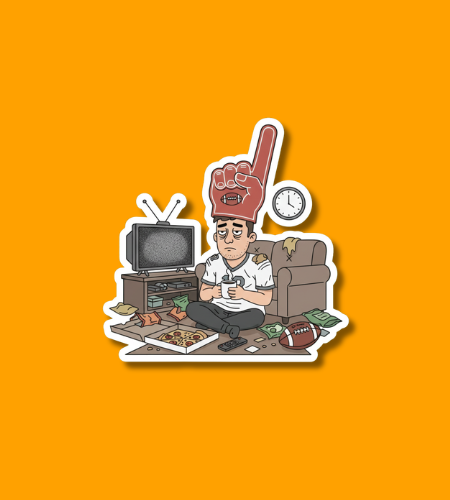
National Football Hangover Day is observed on the Monday after the Super Bowl, providing a dedicated time for fans to recover from the festivities of the biggest football game of the year. In 2026, it falls on February 9. This holiday acknowledges the physical and emotional exhaustion that often follows a night of high-stakes sports, indulgent snacks, and social gatherings. While it carries a playful name, the observance highlights a significant cultural phenomenon where millions of employees across the United States either call in sick or experience a noticeable drop in productivity the day after the championship.
Table of Contents
History of National Football Hangover Day
The holiday was officially established in 2019 by Katie Nolan, a prominent sports personality and host on ESPN. Nolan proposed the day as a way to give back to dedicated sports fans who spend the entire season emotionally invested in their teams. She reasoned that the intensity of the “Big Game”—combined with late-night viewing and the sheer volume of food and drink consumed—justified a formal day of recovery. The Registrar at the National Day Calendar officially proclaimed the day to be celebrated annually starting in 2019, turning a long-standing social reality into a recognized event.
Historically, the Monday after the Super Bowl has been one of the most popular days of the year for workplace absenteeism. Surveys often estimate that nearly 14 million to 16 million people call into work “sick” or “ailing” on this day, leading some to refer to it as “Super Bowl Fever.” Before the holiday was formalized, employers generally viewed this mass absenteeism as an unavoidable consequence of the sports season. By giving the phenomenon a specific name, the holiday fosters a sense of camaraderie among fans and provides a lighthearted way for both workers and management to acknowledge the human limits of fandom.
Why is National Football Hangover Day important?
This day is important because it addresses the modern intersection of major entertainment events and the standard work week. The Super Bowl is a marathon of sensory input, featuring high-intensity gameplay, expensive commercial debuts, and a high-profile halftime show, all occurring on a Sunday night. This timing creates a conflict for the workforce, and the holiday serves as a social “safety valve” that allows people to admit they are tired without the guilt of a traditional sick day. It encourages a more honest and flexible approach to work-life balance during major cultural milestones.
Beyond the workplace, the observance promotes health awareness regarding overindulgence and dehydration. The “hangover” referenced in the title is not limited to alcohol; it also encompasses “food comas” from salty, heavy party foods and the “adrenaline crash” that follows a tense game. By designating a day for recovery, the holiday encourages individuals to listen to their bodies and prioritize rest, hydration, and mental reset. This proactive focus on recuperation helps prevent the prolonged fatigue that can lead to mistakes or accidents in safety-sensitive jobs throughout the following week.
- Millions of Americans use this day to catch up on much-needed sleep after the game.
- It acknowledges the economic impact of post-game absenteeism on the national workforce.
- The day provides a platform for brands to offer “hangover” recovery deals and comfort food.
- It highlights the physical toll of consuming high-calorie “game day” snacks and beverages.
- Celebrating this day allows fans to slowly transition back to their normal daily routines.
How to Celebrate (or Observe) National Football Hangover Day
Celebrating involves prioritizing rest and physical recovery over professional or household chores. The most common way to observe the day is by taking a “personal day” or working from home to avoid a stressful morning commute. Hydration is a cornerstone of the celebration, with participants often consuming water, electrolyte drinks, or “hair of the dog” recipes like a spicy Bloody Mary or a Clamato juice blend. Many fans spend the afternoon reviewing the game’s best highlights or debating the most memorable commercials in a low-pressure social environment.
For those who must go to work, the day is often marked by casual dress or “jersey days” at the office to acknowledge the shared experience. Many people utilize the day to finish off leftover party snacks or to order a hearty, greasy breakfast—such as a “Hangover Burger” or a breakfast burrito—to settle an upset stomach. It is also a popular time to participate in digital “prediction payback” events on social media, where fans share their failed game-day calls for prizes. The ultimate goal of the day is to re-enter society gently, ensuring the football season ends on a relaxed note.
- Stay in bed for an extra hour to recover from a late-night game finish.
- Drink plenty of water and electrolyte-rich beverages to combat dehydration.
- Eat a substantial, protein-rich breakfast to help restore your energy levels.
- Share your “hangover” experiences or favorite game moments on social media.
- Plan a quiet evening at home without any additional sports-related stress.
National Football Hangover Day Dates Table
| Year | Date | Day |
|---|---|---|
| 2026 | February 9 | Monday |
| 2027 | February 8 | Monday |
| 2028 | February 14 | Monday |
| 2029 | February 12 | Monday |
| 2030 | February 11 | Monday |
Subscribe to our newsletter and never miss a holiday again!