
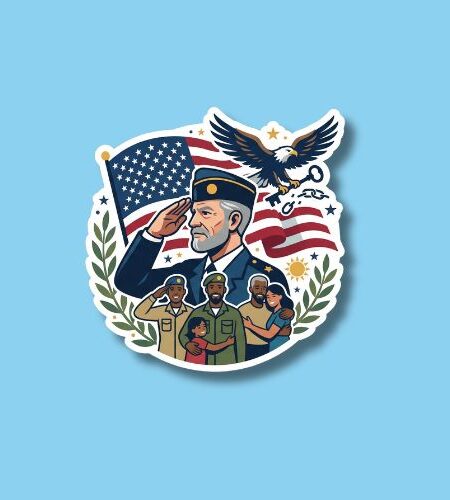
National Former Prisoner of War Recognition Day is observed on April 9. This day honors the service and sacrifice of thousands of American service members who were captured and held as prisoners of war (POWs) during times of conflict. It serves as a solemn reminder of the physical and psychological hardships endured by these individuals in the name of national service.
Read also about Prisoners for Peace Day
Table of Contents
History of National Former Prisoner of War Recognition Day
The date of April 9 was chosen specifically to commemorate the anniversary of the surrender of the Bataan Peninsula in 1942. Following the surrender, tens of thousands of American and Filipino troops were captured by Japanese forces and forced to endure the brutal Bataan Death March. Thousands perished from exhaustion, starvation, and abuse during the trek to prisoner-of-war camps. This event remains one of the most harrowing examples of the prisoner-of-war experience in American military history.
In 1984, President Ronald Reagan issued the first proclamation establishing this day of recognition. Since then, successive presidents have issued annual proclamations to reaffirm the nation’s commitment to those who were held in captivity. The day acknowledges POWs from all major conflicts, including the World Wars, the Korean War, the Vietnam War, and more recent operations in the Middle East. It highlights the resilience of the human spirit and the specific protections established by the Geneva Conventions for the treatment of captured personnel.
Why is National Former Prisoner of War Recognition Day important?
This day is important because it brings public awareness to the unique struggles faced by former POWs long after they return home. Many survivors deal with lifelong health issues and post-traumatic stress resulting from their confinement and the deprivation of basic needs. By dedicating a day to their recognition, the nation ensures that their stories of survival are not forgotten and that the government remains accountable for providing the specialized medical and psychological care they require.
The observance also serves an educational purpose for the general public regarding the laws of armed conflict. It emphasizes the importance of international treaties that govern the humane treatment of prisoners. By honoring former POWs, the community reinforces the values of bravery and loyalty, as many of these individuals resisted interrogation and maintained their military discipline under extreme duress. It is a time to reflect on the high price of freedom and the diverse ways in which service members contribute to their country.
- It commemorates the 1942 surrender at Bataan and the subsequent march.
- The day provides a platform to advocate for the healthcare needs of survivors.
- It recognizes the extraordinary mental and physical resilience of captives.
- The holiday honors those who remained “missing in action” for years.
- It reinforces the importance of the Geneva Conventions and human rights.
How to Observe National Former Prisoner Of War Recognition Day
Observation typically involves official ceremonies at veterans’ hospitals, military bases, and national cemeteries. One of the most prominent ways to observe the day is by flying the POW/MIA flag, which features the silhouette of a prisoner in front of a guard tower and barbed wire with the words “You Are Not Forgotten.” Many people participate in wreath-laying ceremonies or moments of silence to pay their respects to those who did not survive their captivity.
Individuals can also observe the day by visiting local veteran centers or reaching out to former POWs in their community to listen to their experiences. Reading historical accounts or watching interviews with survivors helps keep the reality of their sacrifice at the forefront of the national consciousness. Educational institutions often use the day to teach students about the history of the Bataan Death March and the experiences of veterans in various global conflicts. Supporting organizations that assist veterans with disability claims is another practical way to show support.
- Fly the POW/MIA flag beneath the American flag at homes or offices.
- Attend a memorial service at a local VA medical center or cemetery.
- Listen to or read oral histories of former prisoners of war.
- Wear a POW/MIA bracelet or pin to spark conversation and awareness.
- Participate in a “Missing Man” table ceremony at a community event.
National Former Prisoner Of War Recognition Day Dates Table
| Year | Date | Day |
|---|---|---|
| 2026 | April 9 | Thursday |
| 2027 | April 9 | Friday |
| 2028 | April 9 | Sunday |
| 2029 | April 9 | Monday |
| 2030 | April 9 | Tuesday |
Subscribe to our newsletter and never miss a holiday again!