
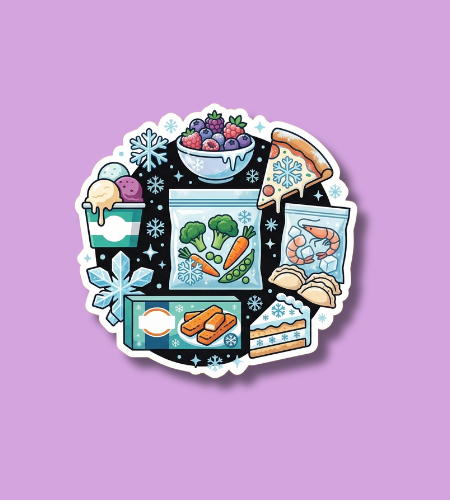
National Frozen Food Day is celebrated annually on March 6. This observance recognizes the significant impact that the frozen food industry has had on modern nutrition and food accessibility. It highlights the technological innovations that allow people to enjoy a wide variety of fruits, vegetables, and prepared meals regardless of the season or geographical location.
Table of Contents
History of National Frozen Food Day
The formal recognition of this day began in 1984 when President Ronald Reagan signed Proclamation 5157. This document designated March 6 as a day to celebrate the frozen food industry’s 54 years of service to the American public. The proclamation highlighted how freezing technology helped move food from rural agricultural centers to dense urban populations, ensuring a steady and diverse food supply. This official act helped transition the industry from a specialized service into a foundational part of the global food infrastructure.
The roots of the industry trace back to the early 20th century and the work of Clarence Birdseye. While working in Labrador, Canada, Birdseye observed that fish caught by the Inuit froze almost instantly in the Arctic air and remained high in quality when thawed months later. He realized that “flash freezing” was the key to preventing the large ice crystals that usually ruined the texture of food. In 1924, he developed a quick-freezing process, and by 1930, the first retail frozen food products were sold in Massachusetts, forever changing how households manage their kitchens.
Why is National Frozen Food Day important?
This day is important because it validates freezing as one of the most effective and natural preservation methods available. Unlike canning or drying, flash freezing locks in nutrients and vitamins at the peak of a crop’s ripeness, often making frozen produce just as healthy as fresh alternatives. It serves as a reminder that the freezer is a vital tool for maintaining a balanced diet throughout the winter months when fresh local produce is unavailable.
Additionally, the holiday draws attention to the role of frozen foods in reducing global food waste. Because frozen items have a significantly longer shelf life, households can use only what they need, preventing spoilage and saving money. The industry supports agricultural stability by allowing farmers to preserve surplus harvests that might otherwise go to waste. This efficiency makes frozen food an essential component of a sustainable and economically resilient food system.
- It recognizes the technological achievement of the global cold chain.
- The day promotes the nutritional benefits of flash-frozen produce.
- It highlights how freezing prevents unnecessary household and retail food waste.
- The observance honors the legacy of innovators like Clarence Birdseye.
- It celebrates the convenience that helps busy families maintain healthy eating habits.
How to Celebrate National Frozen Food Day
A common way to celebrate is to explore the frozen food aisle of a local grocery store to find new or international items. Many people use the day to stock up on staples like frozen berries, peas, or fish fillets that can be used to create quick, nutritious meals. Some enthusiasts host “frozen dinner parties” where the entire menu, from the appetizers to the dessert, is sourced from the freezer. This is an easy way to appreciate the variety and quality that modern freezing technology provides.
Another practical way to observe the day is by organizing a home freezer to maximize efficiency and reduce waste. This might involve labeling containers with dates or preparing large batches of homemade meals to freeze for future use. Sharing favorite frozen food recipes or tips on social media helps spread awareness of the holiday’s focus on convenience and nutrition. Many people also take a moment to learn about the science of the “danger zone” and safe thawing practices to ensure their frozen foods are handled correctly.
- Prepare an entire meal using only high-quality frozen ingredients.
- Stock up on frozen fruits and vegetables to use in morning smoothies.
- Organize your home freezer to ensure older items are used first.
- Try a new frozen international dish that you have never tasted before.
- Share a photo of your favorite frozen snack using the official hashtag.
National Frozen Food Day Dates Table
| Year | Date | Day |
|---|---|---|
| 2026 | March 6 | Friday |
| 2027 | March 6 | Saturday |
| 2028 | March 6 | Monday |
| 2029 | March 6 | Tuesday |
| 2030 | March 6 | Wednesday |
Subscribe to our newsletter and never miss a holiday again!