
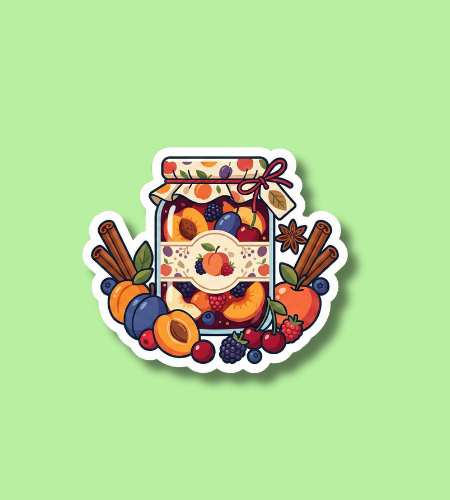
National Fruit Compote Day is observed on March 1. This day celebrates a classic culinary preparation consisting of whole or pieces of fruit slow-cooked in a sugar syrup infused with spices. Unlike jams or preserves, compote is typically prepared for immediate consumption and maintains the texture of the fruit, making it a versatile element in both breakfast settings and sophisticated dessert courses.
Table of Contents
History of National Fruit Compote Day
The concept of the compote originated in 17th-century France, derived from the French word compôte and the Latin compositus, meaning “mixture.” During this era, it was primarily regarded as a health remedy. According to the humoral medical theories of the time, the French believed that fruit stewed in a warm sugar syrup could balance the humidity in the human body. Because it was simple to prepare and used inexpensive ingredients, the dish quickly transitioned from a medicinal tonic to a staple dessert in households across Europe.
During the Renaissance, the serving style of compote evolved significantly. While it was initially served as a warm afternoon snack accompanied by biscuits and sour cream, it eventually became a chilled palate cleanser served at the conclusion of grand feasts. Its lack of dairy and its reliance on seasonal or dried fruits made it a fundamental part of Ashkenazi Jewish cuisine, as it provided a sweet, parve option for Sabbath meals. While the exact founder of the American national observance is unknown, the day has been celebrated by food enthusiasts and culinary institutions since the early 2010s to honor this enduring fruit-based tradition.
Why is National Fruit Compote Day important?
This day highlights the practical art of food preservation and the reduction of kitchen waste. Compoting is an effective method for extending the life of fruit that has become slightly overripe or for softening fruit that is too firm for raw consumption. By focusing on this technique, the holiday encourages home cooks to experiment with seasonal produce, transforming simple ingredients into complex flavors through the addition of vanilla, citrus zest, and star anise.
The observance also bridges the gap between different culinary cultures and historical periods. It serves as a reminder of how ancient preservation methods—originally born of necessity and medical belief—have shaped modern gastronomy. For professional chefs and home bakers alike, the day is an opportunity to showcase the versatility of the dish, whether it is used as a chunky topping for waffles, a sophisticated side for roasted meats, or a standalone chilled dessert topped with whipped cream.
- The holiday promotes sustainable cooking by utilizing bruised or aging fruit.
- It celebrates a dish that has remained a staple in European kitchens for 400 years.
- Awareness of compoting techniques provides a dairy-free alternative for dessert lovers.
- The day encourages the use of aromatic spices like cloves, cinnamon, and ginger.
- It recognizes the historical role of the compote in both French and Jewish culinary heritage.
How to Celebrate National Fruit Compote Day
Celebrating this day is best done by preparing a fresh batch of compote using seasonal staples like apples, pears, or frozen berries. The process involves simmering the fruit over low heat with water or fruit juice, sugar, and a selection of whole spices until the liquid thickens into a glossy syrup. Once prepared, the compote can be served warm over Greek yogurt for breakfast or allowed to chill in the refrigerator to be served as a light evening treat.
Food enthusiasts often share their unique ingredient combinations on social media to inspire others. Some unconventional variations include using red wine or balsamic vinegar in the poaching liquid to create a savory-sweet profile that pairs well with soft cheeses. For a more traditional experience, one might host a small tasting party, offering different varieties of compote—such as stone fruit, citrus, or dried fig—to demonstrate how different base fruits interact with various sweeteners and spirits like rum or kirsch.
- Simmer a mix of your favorite fruits with sugar and a cinnamon stick.
- Layer warm berry compote over pancakes or French toast for a special breakfast.
- Stir a spoonful of chilled fruit into oatmeal or porridge to add natural sweetness.
- Experiment by adding orange peel or star anise to your cooking liquid.
- Gift a jar of homemade compote to a friend along with a recipe card.
National Fruit Compote Day Dates Table
| Year | Date | Day |
|---|---|---|
| 2026 | March 1 | Sunday |
| 2027 | March 1 | Monday |
| 2028 | March 1 | Wednesday |
| 2029 | March 1 | Thursday |
| 2030 | March 1 | Friday |
Subscribe to our newsletter and never miss a holiday again!