
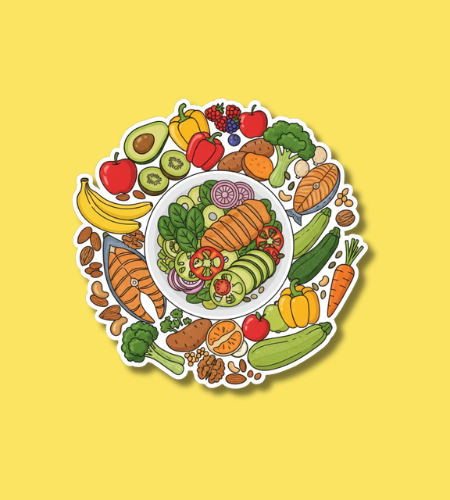
National Grain Free Day is observed annually on February 21. This holiday raises awareness about the challenges faced by individuals with dietary restrictions that require the complete avoidance of grains, including wheat, corn, rice, and barley. Whether due to medical necessity or personal health choices, the day encourages families and friends to gather around the table and enjoy meals specifically designed to be inclusive for those living with conditions like celiac disease or autoimmune disorders.
Table of Contents
History of National Grain Free Day
National Grain Free Day was founded in 2019 by Siete Family Foods, a company started by the Garza family in Texas. The inspiration for the holiday came from Veronica Garza’s personal health journey. After being diagnosed with multiple autoimmune conditions, she adopted a grain-free diet to help manage her symptoms and reduce inflammation. However, she soon realized that removing grains often meant missing out on traditional family meals and the cultural connections associated with food. To bridge this gap, she began developing grain-free versions of heritage foods, such as almond flour tortillas, to ensure no one felt left out during family gatherings.
The Garza family officially registered the day with the National Day Calendar to create a dedicated time for education and solidarity. Since its inception, the movement has grown beyond a single brand, garnering support from nutritionists, chefs, and health advocates across the country. It serves as a modern response to the increasing prevalence of food sensitivities and the “free-from” movement. By establishing an official day, organizers hoped to shift the focus away from the perceived limitations of a restricted diet and instead celebrate the creativity and inclusivity that grain-free cooking can foster.
Why is National Grain Free Day important?
The significance of this day lies in its ability to highlight the social and emotional impact of dietary restrictions. For many people, a grain-free diet is not a lifestyle trend but a medical requirement to avoid severe physical reactions or long-term intestinal damage. Traditional social events often revolve around grain-heavy foods like pasta, pizza, and bread, which can lead to those with restrictions feeling isolated or appearing as a “burden” to hosts. National Grain Free Day encourages hosts to rethink their menus and prove that high-quality, delicious meals do not require grains as a foundation.
From a nutritional perspective, the day emphasizes the benefits of diversifying one’s diet with whole, nutrient-dense alternatives. Grains are often replaced with vegetables, nuts, and seeds, which provide different profiles of fiber, healthy fats, and vitamins. For many, reducing grain intake can lead to stabilized blood sugar levels and improved digestive health. The observance provides a platform for people to learn about the various types of grain-related conditions, such as non-celiac gluten sensitivity and wheat allergies, fostering a more compassionate and informed food culture.
- Many people avoid grains to manage chronic inflammation and autoimmune flares.
- Grain-free diets often incorporate more diverse flours like cassava, almond, and coconut.
- Approximately one percent of the population lives with celiac disease, requiring strict avoidance of gluten.
- The holiday promotes the idea of “making room at the table” for everyone.
- Traditional heritage recipes can be adapted using grain-free ingredients to preserve culture.
How to Celebrate National Grain Free Day
One of the most effective ways to celebrate is to prepare a completely grain-free meal for friends or family members who typically have to navigate restrictions. Instead of making a separate dish for the grain-free guest, try creating a menu that everyone can eat, such as a taco bar using grain-free tortillas or a “pasta” night using zucchini noodles or spaghetti squash. Exploring the wide variety of grain-free snacks now available in grocery stores—like plantain chips or nut-based crackers—can also be a fun way to discover new favorites while supporting brands that prioritize inclusive ingredients.
Education is another key component of observing the day. You can take time to research the difference between “gluten-free” and “grain-free,” as the latter also excludes non-gluten grains like corn and rice. Sharing successful recipes or your favorite grain-free finds on social media helps others who might be struggling with a new diagnosis feel less alone. If you do not have dietary restrictions yourself, participating in the day by going grain-free for 24 hours can provide valuable perspective on the planning and effort required to maintain such a diet in a grain-centric world.
- Host a potluck where every dish brought by guests must be free of all grains.
- Swap traditional wheat flour for almond or cassava flour in your favorite baking recipe.
- Use large lettuce leaves or collard greens as wraps for sandwiches and burgers.
- Try making “rice” by pulsing fresh cauliflower in a food processor and lightly sautéing it.
- Support a local restaurant that offers a dedicated grain-free menu or modifications.
National Grain Free Day Dates Table
| Year | Date | Day |
|---|---|---|
| 2026 | February 21 | Saturday |
| 2027 | February 21 | Sunday |
| 2028 | February 21 | Monday |
| 2029 | February 21 | Wednesday |
| 2030 | February 21 | Thursday |
Subscribe to our newsletter and never miss a holiday again!