


National Griper’s Day
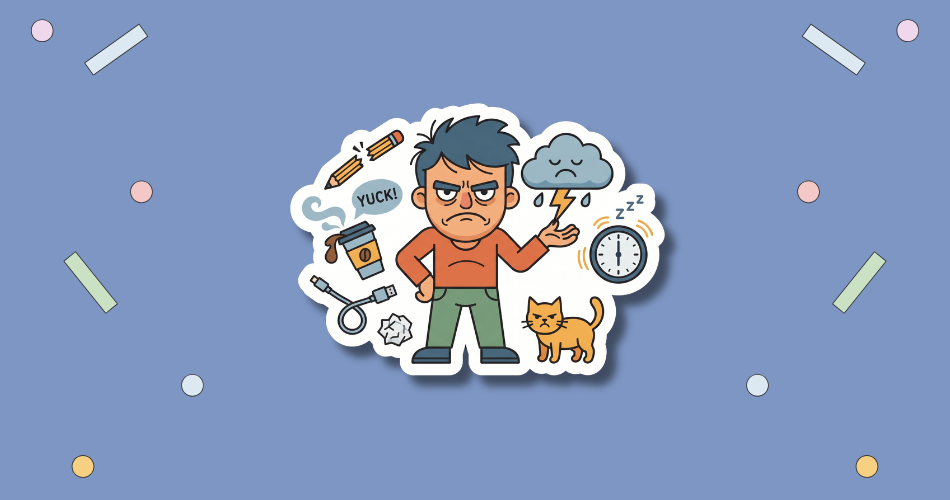
National Griper’s Day is an unofficial holiday observed annually on April 15. In 2027, this date falls on a Thursday. This day encourages people to voice their minor annoyances, pet peeves, and frustrations in a constructive way. Coinciding with the federal tax deadline in the United States, the holiday provides a designated space for individuals to “vent” about the irritations of daily life, fostering a sense of community through shared grievances and the simple act of being heard.
Contents
Read also about Blame Someone Else Day, National Get Over It Day, Be Nasty Day, Don’t Cry Over Spilled Milk Day
HT Meter
Does this day matter to you?
Say that it does, and say whether you will be marking it. Both are anonymous to nobody but kind to everybody.
This day matters to me
0 Be the first to say so
Quietly remembered
0 Nobody has said so yet
Notes of remembrance
Join those marking this day to share a word, a memory, or the reason it matters to you.
These notes are kept for the people marking this day. Say you will be marking it to read them and to leave your own.
You have already shared a note here recently.
No notes yet. Yours would be the first.
History of National Griper’s Day
The holiday was created in 1984 by Jack Gilbert, a freelance writer based in Columbus, Ohio. Gilbert’s original intention was to provide a dedicated audience for the “disgruntled, disappointed, and depressed,” encouraging people to air their complaints to him directly. In the first year of the celebration, he publicly shared his name, address, and phone number, inviting strangers to contact him with whatever was irking them. The response was significant, with people calling to complain about everything from the weather and local politics to television shows and the high price of groceries.
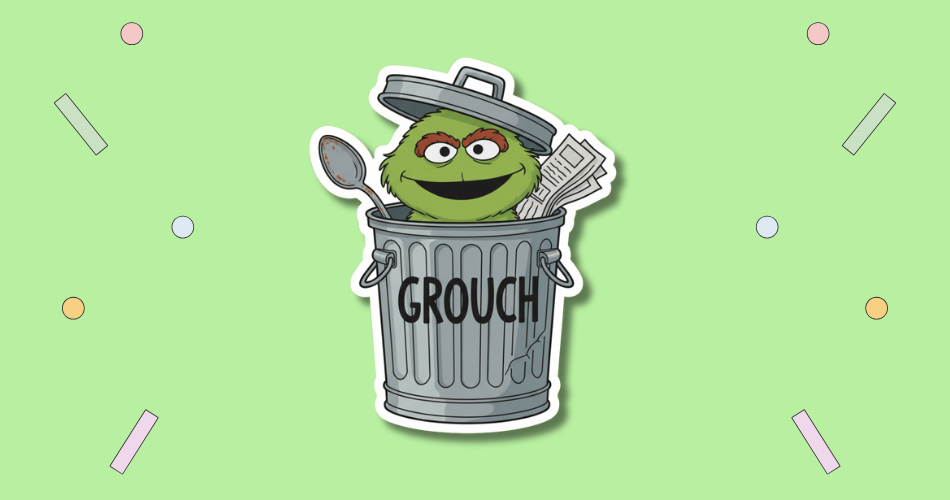
National Grouch Day
Gilbert’s inspiration for the day came after he visited Speakers’ Corner in London’s Hyde Park, a famous site where ordinary citizens stand on soapboxes to publicly air their views on society and politics. He believed that modern technology was eroding personal, face-to-face communication and that society needed to bring back “griper’s corners.” By establishing the holiday on April 15, he sought to turn a day traditionally associated with the stress of filing taxes into an opportunity for communal bonding through honest, interpersonal venting.
Why is National Griper’s Day important?
The significance of this day lies in its role as a psychological “pressure valve.” Bottling up minor frustrations can lead to increased stress and a sense of isolation, whereas expressing those feelings can provide immediate emotional relief. By legitimizing the act of griping, the holiday helps people recognize that they are not alone in their daily struggles. This shared honesty builds solidarity among coworkers, family members, and friends, as it often reveals that others are dealing with the same “first-world problems” or systemic inconveniences.
Beyond mere venting, the day promotes the importance of active listening. For every “griper,” there must be a listener who offers a sympathetic ear without judgment. This interaction reinforces social bonds and can sometimes lead to practical solutions for recurring problems. When grievances are aired openly, patterns can emerge—such as a consistently confusing work process or a recurring neighborhood issue—that might otherwise go unaddressed. It reminds society that honest communication, even when it is negative, is a necessary component of healthy relationships and community improvement.
- It offers a healthy outlet for releasing stress on a traditionally high-pressure day.
- The holiday encourages the return of personal, human-to-human communication.
- It helps individuals identify shared problems within their local communities.
- Listeners practice empathy and patience by providing a space for others to vent.
- It distinguishes between harmless “griping” and more toxic forms of negativity.
How to Observe National Griper’s Day
Make it yours
How would you like to spend National Griper's Day?
Tick what fits you, and we will put together ideas made for this day — not for any day.

Great American Grump Out
Observing this day is best done by identifying a specific annoyance and sharing it with a willing listener. Many people use the occasion to call a friend or relative specifically to “have a good gripe” about something that has been bothering them lately. In workplaces, teams might set up a “griper’s corner” or a bulletin board where employees can post anonymous, lighthearted complaints about office life. The goal is to keep the tone more “fun than furious,” using humor to diminish the power that minor irritations have over one’s mood.
Community involvement can also take the form of social media participation, where users share their pet peeves using dedicated hashtags. This digital version of the “griper’s corner” allows for a global exchange of frustrations, often leading to humorous realizations about common human experiences. It is also a good day to practice being an “active listener” for someone else, offering them five minutes of uninterrupted time to speak their mind. By acknowledging that things “suck” occasionally, participants can end the day feeling lighter and more connected to those around them.
- Call a friend and spend a few minutes venting about a current pet peeve.
- Create a “griper’s corner” bulletin board at work or home for airing grievances.
- Listen to a colleague’s complaint without trying to fix the problem immediately.
- Post a funny “that sucks” story on social media to find others who relate.
- Use the day to write a constructive “letter to the editor” about a local issue.
National Griper’s Day Dates Table
| Year | Date | Day of the week |
|---|---|---|
| 2026 | April 15 | Wednesday |
| 2027 next | April 15 | Thursday |
| 2028 | April 15 | Saturday |
| 2029 | April 15 | Sunday |
| 2030 | April 15 | Monday |