
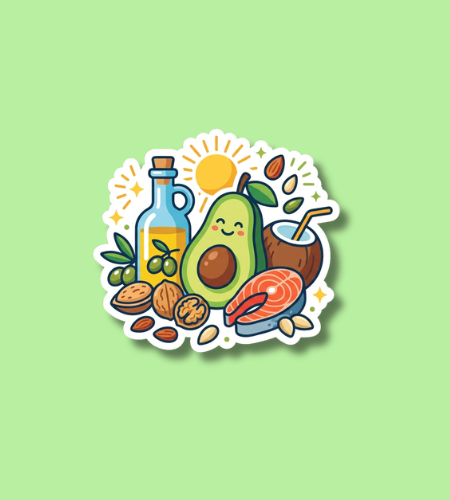
National Healthy Fats Day is observed on March 21 each year to challenge dietary myths and celebrate the nutritional benefits of traditional fats. The date coincides with the arrival of spring, symbolizing a fresh perspective on nutrition and a return to natural, minimally processed ingredients that were once staples of the human diet.
Read also about National Keto Day
Table of Contents
History of National Healthy Fats Day
The Healthy Fats Coalition (HFC) established this observance in 2018. Led by the Coast Packing Company, the coalition consists of researchers, chefs, and nutritionists who aim to educate the public about the difference between industrial trans fats and natural fats. For decades, dietary guidelines in the United States promoted a low-fat narrative that often replaced lipid calories with refined sugars and carbohydrates. The HFC created this day to provide a science-based counter-narrative, advocating for the inclusion of authentic fats in a balanced lifestyle.
The movement gained momentum as modern nutritional studies began to decouple saturated fats from heart disease, focusing instead on the dangers of highly processed seed oils and artificial additives. By reclaiming the reputation of traditional fats like lard, tallow, and duck fat, the founders sought to honor culinary heritage and promote transparency in food production. Since its inaugural year, the day has become a part of a larger trio of awareness events, including National Beef Tallow Day and National Lard Day, all focused on the resurgence of “real” food.
Why is National Healthy Fats Day important?
This day is important because it addresses the biological necessity of fats for human health. Fats are essential for the absorption of fat-soluble vitamins such as A, D, E, and K, which support everything from bone density to immune function. By highlighting healthy fats, the holiday encourages individuals to move away from restrictive “fat-free” mindsets that can lead to hormonal imbalances and poor brain health. It emphasizes that the brain is composed of nearly 60% fat, making the consumption of high-quality lipids vital for cognitive performance and mental clarity.
The observance also advocates for culinary integrity and the use of ingredients that are stable at high temperatures. Many processed vegetable oils can become unstable and inflammatory when heated, whereas traditional animal fats and certain fruit oils like avocado and olive oil maintain their structural integrity. This distinction is crucial for reducing systemic inflammation and promoting long-term cardiovascular wellness. By celebrating these fats, the day helps consumers make more informed choices at the grocery store and in their own kitchens, prioritizing quality over low-calorie marketing.
- It educates the public on the role of fats in hormone production and cell health.
- The day promotes the use of stable, natural oils for safer high-heat cooking.
- It highlights the historical use of animal fats in traditional global cuisines.
- The observance helps dispel the myth that all dietary fats lead to weight gain.
- It encourages a shift toward whole, single-ingredient foods rather than processed substitutes.
How to Celebrate National Healthy Fats Day
Celebrating this day usually involves incorporating nutrient-dense fat sources into daily meals. Many participants choose to cook with traditional fats like grass-fed butter, ghee, or beef tallow to experience the flavor and texture profiles that processed oils cannot replicate. It is also an ideal time to enjoy plant-based sources of healthy fats, such as adding half an avocado to a salad or snacking on a handful of raw walnuts and almonds. Experimenting with a new recipe that features fatty fish like salmon or sardines can provide a significant boost of omega-3 fatty acids.
Beyond the kitchen, people observe the day by auditing their pantries and replacing refined, industrial oils with more stable alternatives. Reading food labels to identify and avoid hidden trans fats or “partially hydrogenated” ingredients is a practical step toward better health. Many health enthusiasts share their favorite “fat-fueled” meals on social media to help others see that a diet containing fat can be vibrant and diverse. Engaging with educational content from registered dietitians about the nuances of saturated, monounsaturated, and polyunsaturated fats is another common way to mark the occasion.
- Add a source of healthy fat like avocado or nuts to every meal.
- Replace processed seed oils in your pantry with olive oil or avocado oil.
- Prepare a meal using a traditional fat like duck fat or leaf lard.
- Snack on a piece of dark chocolate containing at least 70% cocoa.
- Share a healthy fat recipe with friends or family to spread awareness.
National Healthy Fats Day Dates Table
| Year | Date | Day |
|---|---|---|
| 2026 | March 21 | Saturday |
| 2027 | March 21 | Sunday |
| 2028 | March 21 | Tuesday |
| 2029 | March 21 | Wednesday |
| 2030 | March 21 | Thursday |
Subscribe to our newsletter and never miss a holiday again!