
National HIV Vaccine Awareness Day
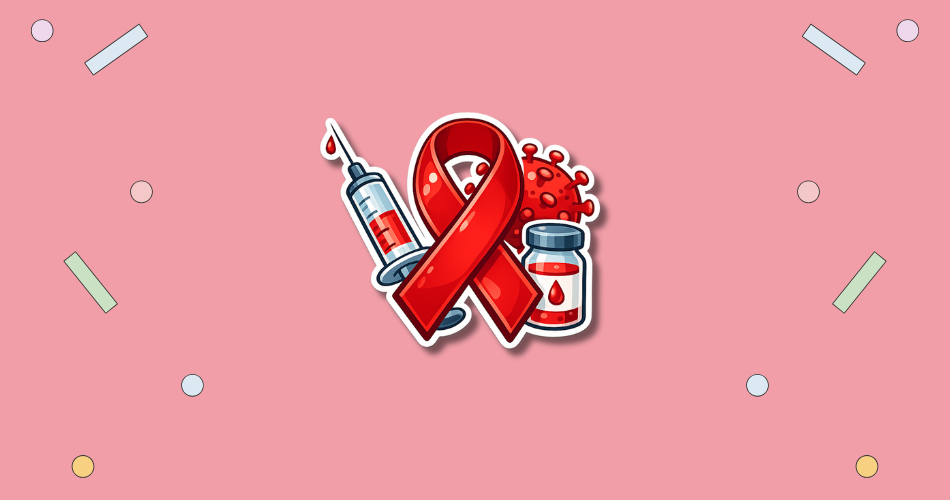
National HIV Vaccine Awareness Day is observed every year on May 18. In 2027, this date falls on a Tuesday. This awareness day recognizes the scientists, health professionals, community advocates, trial volunteers, and public health workers involved in the search for a safe and effective HIV vaccine. It also draws attention to the continued need for HIV prevention research, clear public education, and support for people affected by HIV. The tone of the day is educational, respectful, and forward-looking rather than festive. 1 2
Contents
HT Meter
Does this day matter to you?
Say that it does, and say whether you will be marking it. Both are anonymous to nobody but kind to everybody.
This day matters to me
0 Be the first to say so
Quietly remembered
0 Nobody has said so yet
Notes of remembrance
Join those marking this day to share a word, a memory, or the reason it matters to you.
These notes are kept for the people marking this day. Say you will be marking it to read them and to leave your own.
You have already shared a note here recently.
No notes yet. Yours would be the first.
History of National HIV Vaccine Awareness Day
National HIV Vaccine Awareness Day is closely connected with the long-running scientific effort to develop a preventive HIV vaccine. The observance is led by the National Institute of Allergy and Infectious Diseases, part of the National Institutes of Health, and is used to recognize the people working across research, clinical trials, community outreach, and public health communication. In 2024, federal HIV resources described the day as the 27th annual observance, placing its modern recognition in the late 1990s. The day also connects with the broader history of HIV vaccine research, including the establishment of the Vaccine Research Center to accelerate work in this field.
The search for an HIV vaccine has remained especially challenging because HIV changes rapidly and has great genetic diversity. Even so, vaccine research has produced important advances in immunology, antibody science, clinical trial design, and community engagement. Researchers continue to study immune responses that may help prevent HIV infection, including broadly neutralizing antibodies and T-cell-based approaches. Today, the observance focuses less on a single milestone and more on sustained commitment to prevention science, research participation, and public understanding.
Why is National HIV Vaccine Awareness Day important?
National HIV Vaccine Awareness Day matters because a preventive vaccine could become a major tool in reducing new HIV infections. HIV treatment and prevention options have improved greatly, but vaccine research remains a crucial part of a broader public health response. The day helps people understand that vaccine development depends on many groups, including scientists, trial staff, advocates, funders, and volunteers. It also gives public health organizations a reason to share accurate information about research progress without overstating what has already been achieved.
National HIV Testing Day
The day is also important because HIV is not only a medical topic; it is connected with stigma, access to care, trust in research, and health equity. Communities most affected by HIV need prevention tools that are safe, durable, accessible, and supported by good information. Awareness days can help reduce misunderstanding by pointing people toward testing, prevention services, and reliable education. They also recognize the people who take part in studies and community programs, often contributing to progress that may benefit future generations.
- It keeps attention on preventive HIV vaccine research.
- It honors trial volunteers and research communities.
- It supports accurate public health education.
- It connects science with health equity.
- It recognizes work that is still unfinished.
How to Observe National HIV Vaccine Awareness Day
Make it yours
How would you like to spend National HIV Vaccine Awareness Day?
Tick what fits you, and we will put together ideas made for this day — not for any day.
Read a current, reliable explanation of HIV vaccine research and share it with someone who wants to understand the topic better. Public health organizations, medical research institutions, and HIV service groups often publish plain-language resources that explain what researchers are studying and why a vaccine is difficult to develop. People can also use the day to learn about HIV testing, PrEP, treatment, and local services, since vaccine research is one part of a wider prevention landscape. Anyone sharing information should avoid rumors, miracle-cure claims, or language that increases stigma.
Community groups, clinics, campuses, and workplaces can mark the day with educational posts, short presentations, resource tables, or conversations with local HIV organizations. A thoughtful observance can include recognition of study participants, health educators, case managers, clinicians, and advocates who help make research and prevention more trustworthy. People who are interested in clinical research can learn how trials work before deciding whether participation is right for them. The most useful approach is practical, respectful, and centered on accurate information.
- Learn the basics of HIV vaccine research.
- Share a reliable HIV prevention resource.
- Thank a local HIV service organization.
- Look up nearby HIV testing services.
- Avoid repeating unsupported medical claims.
National HIV Vaccine Awareness Day Dates
| Year | Date | Day of the week |
|---|---|---|
| 2026 | May 18 | Monday |
| 2027 next | May 18 | Tuesday |
| 2028 | May 18 | Thursday |
| 2029 | May 18 | Friday |
| 2030 | May 18 | Saturday |
National Black HIV/AIDS Awareness Day
Thank you for your feedback!
Fuel the next post!
Sorry to hear you didn't enjoy this article...

National Youth HIV and AIDS Awareness Day
Help us make it better!