
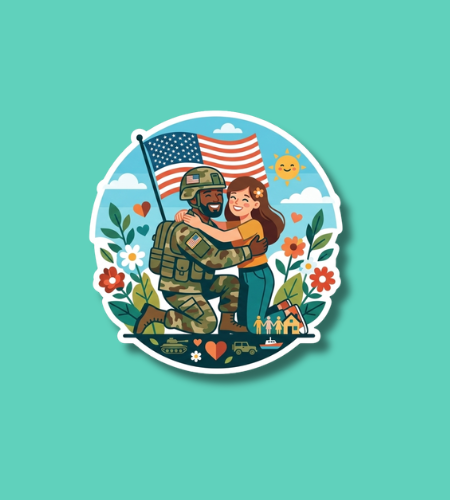
National Hug a G.I. Day is celebrated on March 4 to express gratitude and emotional support for the men and women serving in the United States Armed Forces. The date was specifically chosen because it serves as a unique pun; “March 4” is the only day on the calendar that is also a direct military command to “march forth.” This day encourages civilians to bridge the gap between military and civilian life through simple, heartfelt gestures of appreciation.
Table of Contents
History of National Hug a G.I. Day
The holiday was created in 1996 by Adrienne Sioux Koopersmith, a Chicago-based “eventologist” who has established hundreds of unique observances. Koopersmith wanted to create a dedicated moment to salute the sacrifices made by military personnel and their families. While the term “G.I.” is most commonly associated with the U.S. Army, the holiday is inclusive of all branches of the military, including the Navy, Air Force, Marine Corps, Coast Guard, and Space Force.
The acronym “G.I.” itself has a long history in American military culture, originally appearing in supply records at the turn of the 20th century to denote “galvanized iron.” During World War I, soldiers began reinterpreting the initials as “Government Issue” or “General Issue.” By World War II, the term had become a colloquialism for the soldiers themselves, immortalized by the “G.I. Bill” of 1944 and the creation of the G.I. Joe character. National Hug a G.I. Day modernizes this legacy by focusing on the human connection between the public and those in uniform.
Why is National Hug a G.I. Day important?
Military service often involves long periods of separation from loved ones, intense physical demands, and significant mental stress. National Hug a G.I. Day is important because it provides a visible morale boost, reminding service members that their commitment to national security is recognized by the people they protect. These gestures of kindness can help reduce the sense of isolation that some veterans and active-duty personnel feel when returning to civilian environments.
The day also serves as an educational opportunity for the public to learn about the realities of military life. By encouraging direct interaction, the holiday helps humanize the individuals behind the ranks and uniforms. It fosters a culture of empathy and shared responsibility, ensuring that the sacrifices of the armed forces remain at the forefront of the national consciousness. Whether the “hug” is physical or symbolic, it represents a collective “thank you” for the freedoms maintained by military service.
- The holiday recognizes the personal sacrifices of both active-duty troops and veterans.
- Small acts of kindness significantly improve the morale of service members.
- It helps bridge the cultural divide between military personnel and civilians.
- The “March Forth” pun provides a memorable and motivational theme for the day.
- Expressing gratitude reinforces the social support network for military families.
How to Celebrate National Hug a G.I. Day
The most direct way to celebrate is to offer a hug, a firm handshake, or a sincere “thank you” to a service member you know. If you do not personally know a G.I., you can visit a local VFW (Veterans of Foreign Wars) post or a military hospital to share your appreciation. It is important to always respect personal boundaries and ask for permission before offering a physical hug, as some individuals may prefer a verbal greeting or a high-five instead.
For those who are far away from military communities, celebrations can take a more “virtual” or logistical form. You can send care packages through organizations like Operation Gratitude or write letters to deployed troops to let them know they are being thought of back home. Many people also choose to donate to charities that support wounded warriors or provide housing for military families. Sharing messages of support on social media using the holiday’s hashtag helps spread the spirit of the day to a global audience.
- Offer a heartfelt handshake or a hug to a veteran or active service member.
- Write a letter of appreciation to someone currently serving overseas.
- Donate to a non-profit organization that provides resources for military families.
- Buy a meal or a coffee for a service member you see in your community.
- Volunteer your time at a local organization that assists veterans with transition services.
National Hug a G.I. Day Dates Table
| Year | Date | Day |
|---|---|---|
| 2026 | March 4 | Wednesday |
| 2027 | March 4 | Thursday |
| 2028 | March 4 | Saturday |
| 2029 | March 4 | Sunday |
| 2030 | March 4 | Monday |
Subscribe to our newsletter and never miss a holiday again!